

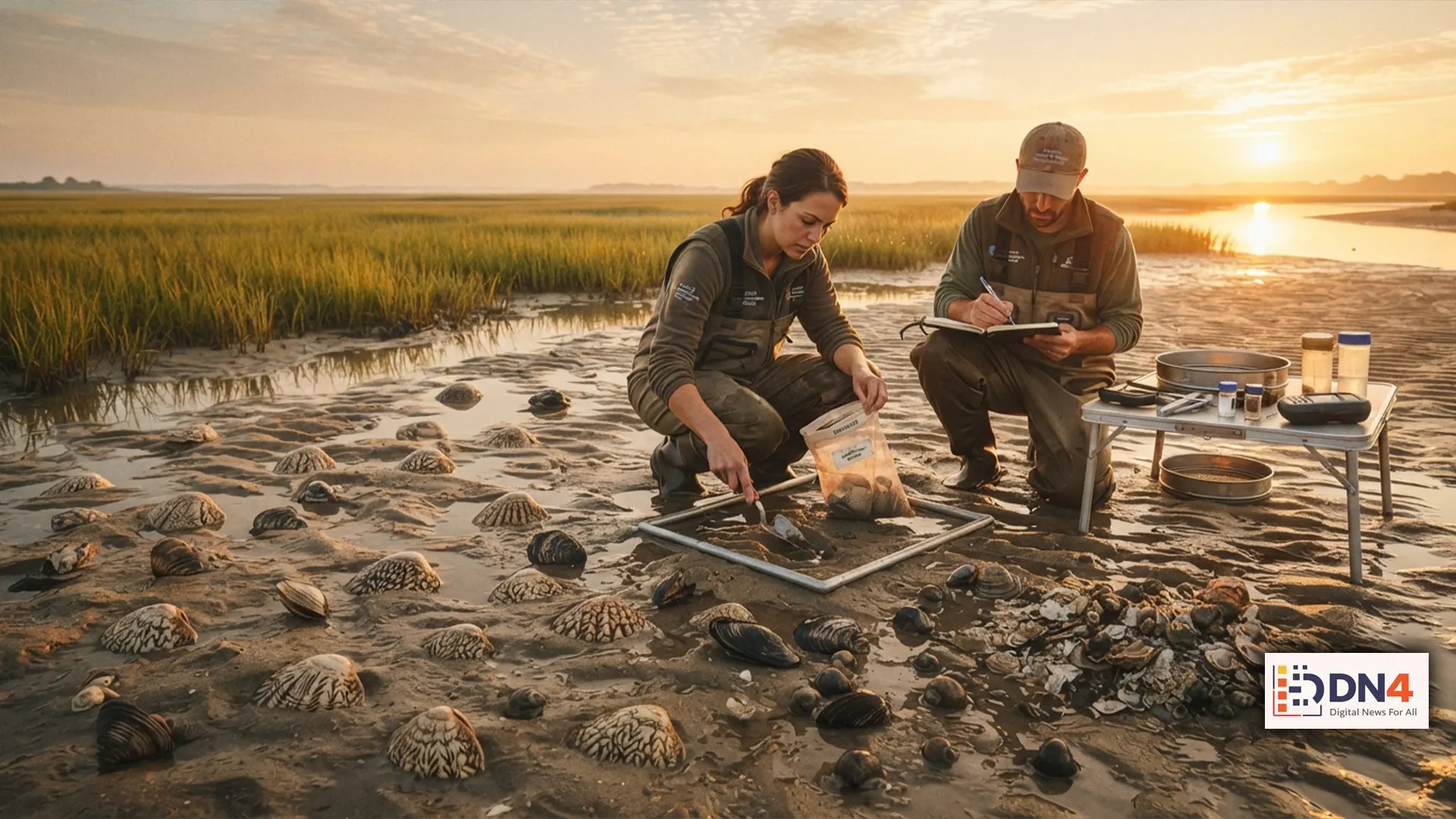
The appearance of Manila clams along parts of the Atlantic Coast is attracting growing attention from marine scientists. Although the species has long been cultivated in aquaculture around the world, researchers are now monitoring reports of wild populations outside their traditional range. The concern is not simply about another shellfish—it is about how an introduced species could reshape fragile coastal ecosystems.
According to the National Oceanic and Atmospheric Administration (NOAA), invasive marine species can alter habitats, compete with native wildlife, and create long-term ecological challenges. While Manila clams are commercially valuable, their spread into new environments requires careful scientific assessment.
What Are Manila Clams?
Manila clams (Ruditapes philippinarum) are native to the western Pacific Ocean. They are widely farmed because they grow quickly, tolerate a variety of environmental conditions, and are popular in seafood markets. Over the past several decades, they have been intentionally introduced into different regions for aquaculture.
Their adaptability is one reason scientists are paying close attention to their presence along the Atlantic Coast.
Why Scientists Are Concerned
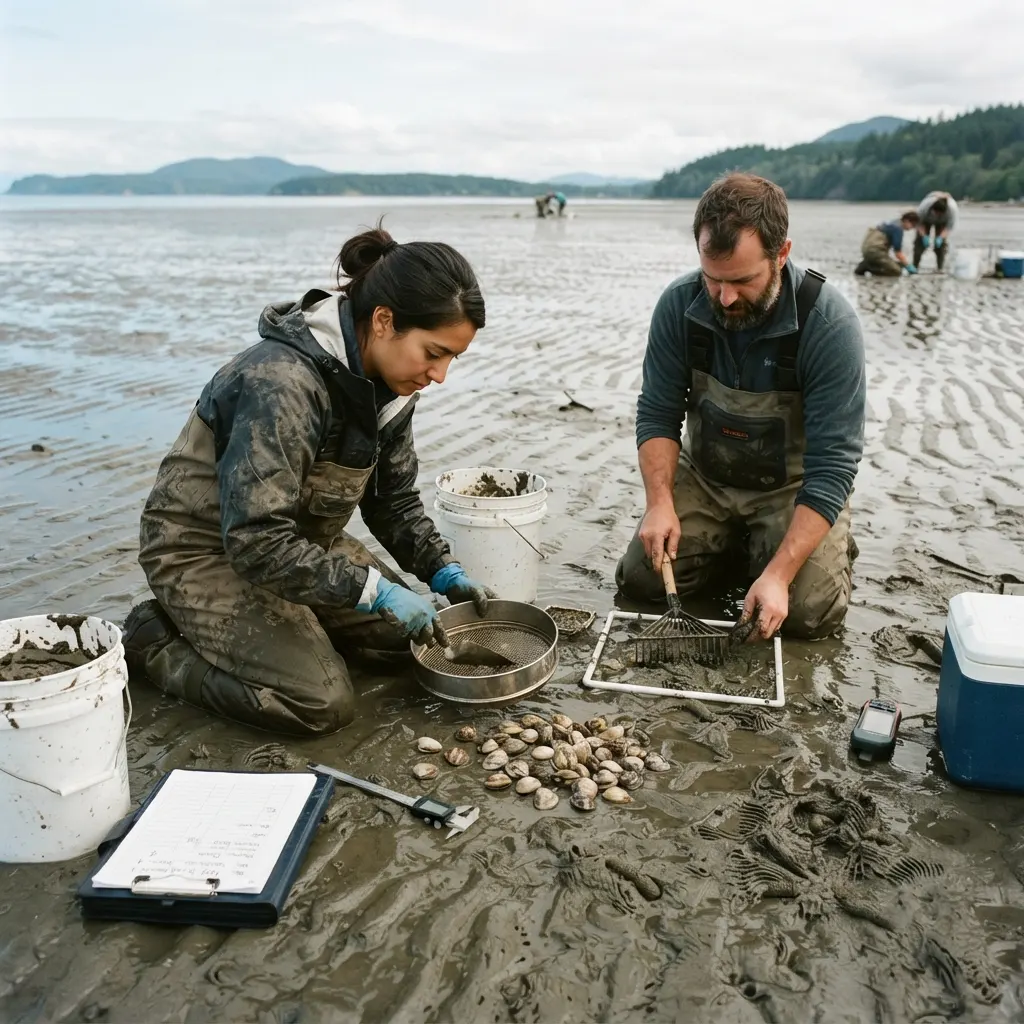
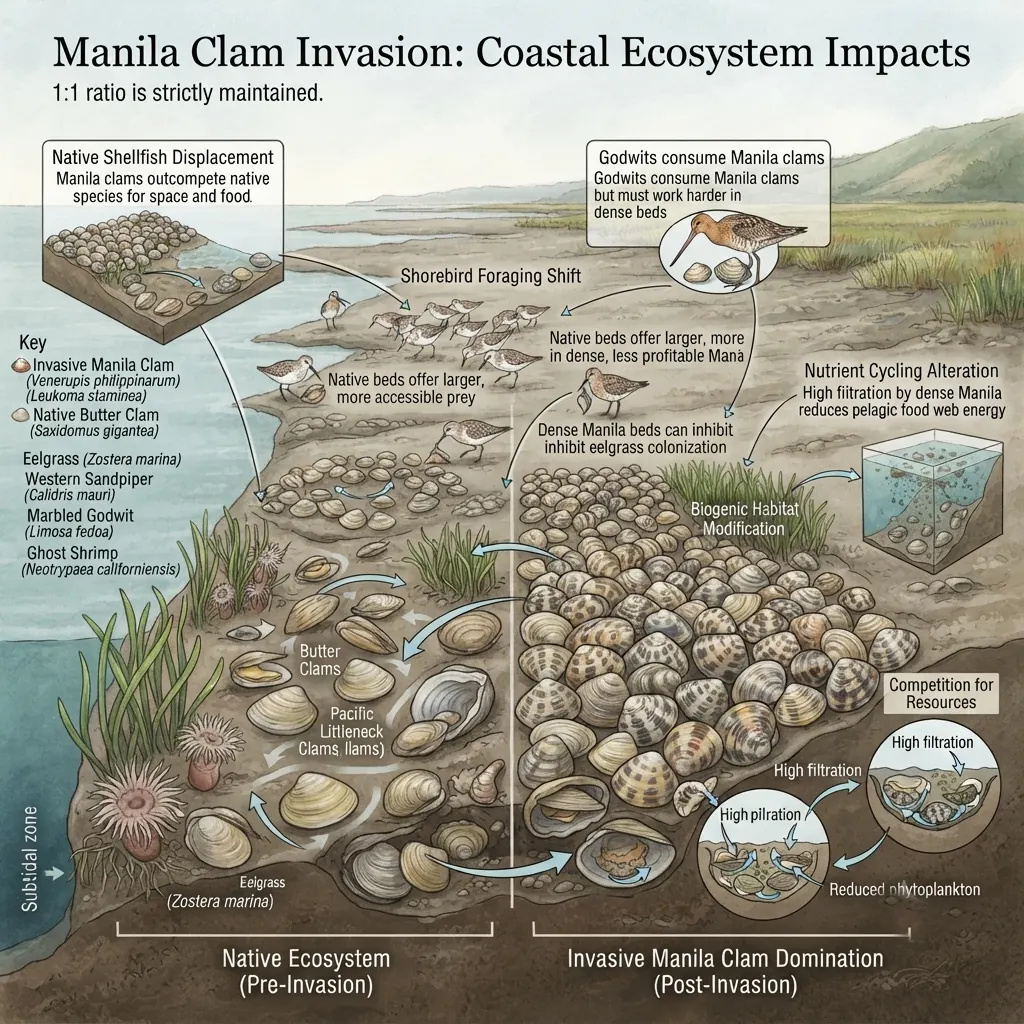
When a non-native species establishes itself in a new habitat, it can compete with local species for food and space. In the case of Manila clams, researchers are studying whether they could affect native clam populations, alter sediment conditions, or influence the broader food web.
Experts from the U.S. Geological Survey (USGS) note that invasive aquatic species often spread gradually before their ecological impacts become fully understood. Early monitoring is essential for identifying potential risks before populations expand.
Could Climate Change Be Helping?
Warmer coastal waters and changing ocean conditions may allow some marine species to survive in areas that were previously unsuitable. Scientists continue to investigate whether climate change is contributing to the successful establishment of Manila clams in parts of the Atlantic.
Research published through the Nature Portfolio and studies supported by the U.S. Environmental Protection Agency (EPA) suggest that shifting ocean temperatures are influencing the distribution of numerous marine organisms worldwide.
What Happens Next?
Biologists are focusing on several key questions:
- How quickly are Manila clam populations expanding?
- Are they reproducing naturally in Atlantic waters?
- Do they compete with native shellfish species?
- Could they affect local fisheries or aquaculture?
- What management strategies are available if populations continue to grow?
Organizations such as the International Union for Conservation of Nature (IUCN) emphasize that early detection and long-term monitoring are among the most effective tools for managing invasive species.
The spread of Manila clams along the Atlantic Coast does not automatically signal an ecological crisis. However, it highlights the importance of continuous scientific monitoring. Understanding how non-native species interact with local ecosystems helps researchers make informed conservation decisions before small changes become larger environmental problems.
#ManilaClams #MarineScience #OceanConservation #InvasiveSpecies #ClimateChange #Biodiversity #CoastalEcosystems #EnvironmentalNews