

 By Vinod Ram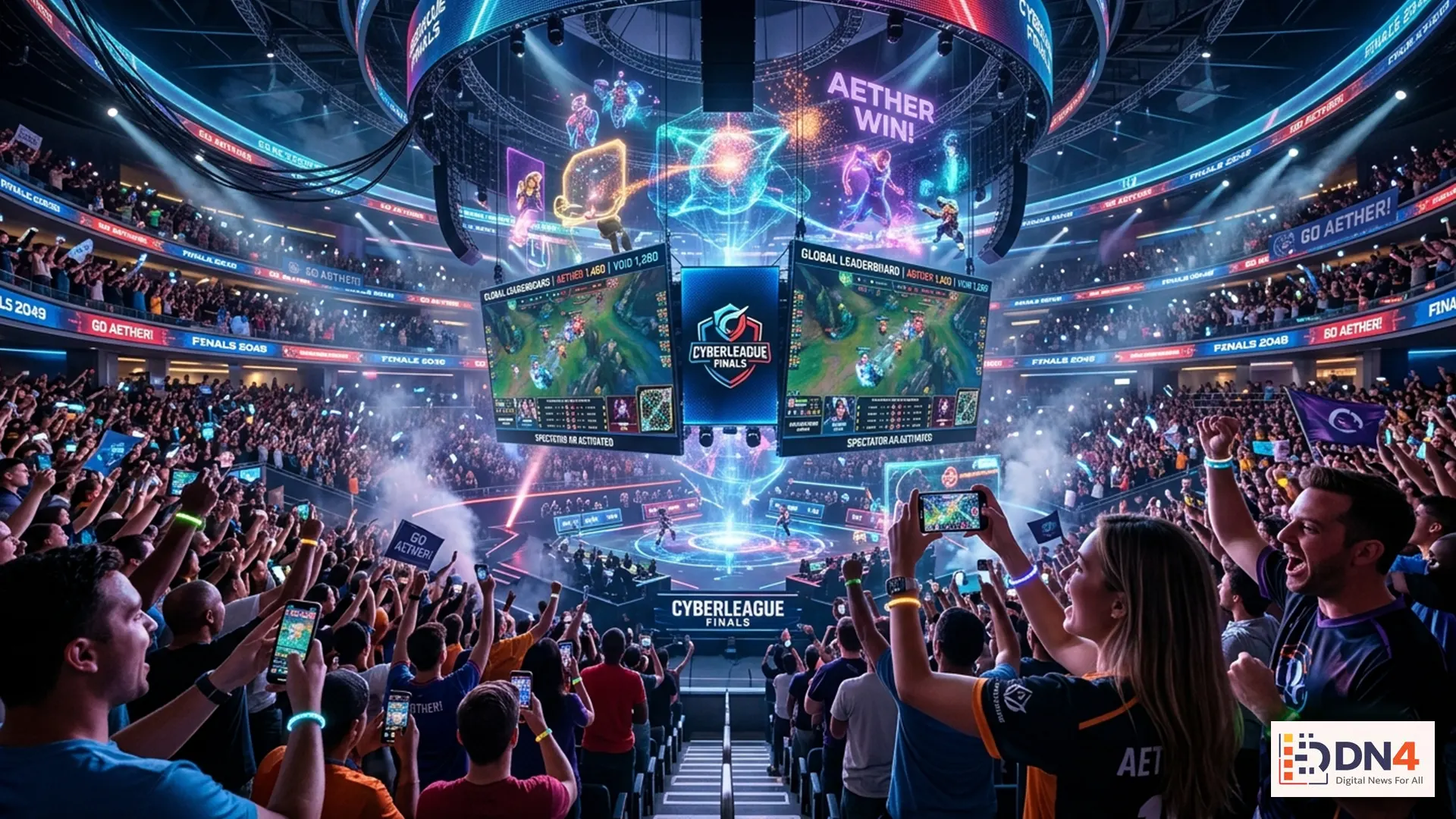
The entertainment industry is undergoing a major transformation. Audiences are no longer satisfied with simply watching games, shows, or live events from the sidelines. Today’s fans want to participate, influence outcomes, compete with friends, and become part of the experience itself.
This shift has fueled the rapid rise of interactive fan leagues, a growing trend that combines sports, gaming, social media, and digital communities into highly engaging entertainment ecosystems.
Industry analysts from Forbes, Deloitte, and PwC have identified audience participation as one of the most important drivers of entertainment growth over the next decade.
The Evolution of Fan Engagement
For decades, entertainment was largely a one-way experience. Fans watched sports, followed celebrities, and consumed media without much direct interaction.
Today, platforms powered by real-time engagement, gamification, and community participation are changing that model. Services inspired by Fantasy Sports, Twitch, and Discord allow users to actively shape their entertainment experiences.
Fans are no longer passive viewers—they are participants.
What Are Interactive Fan Leagues?
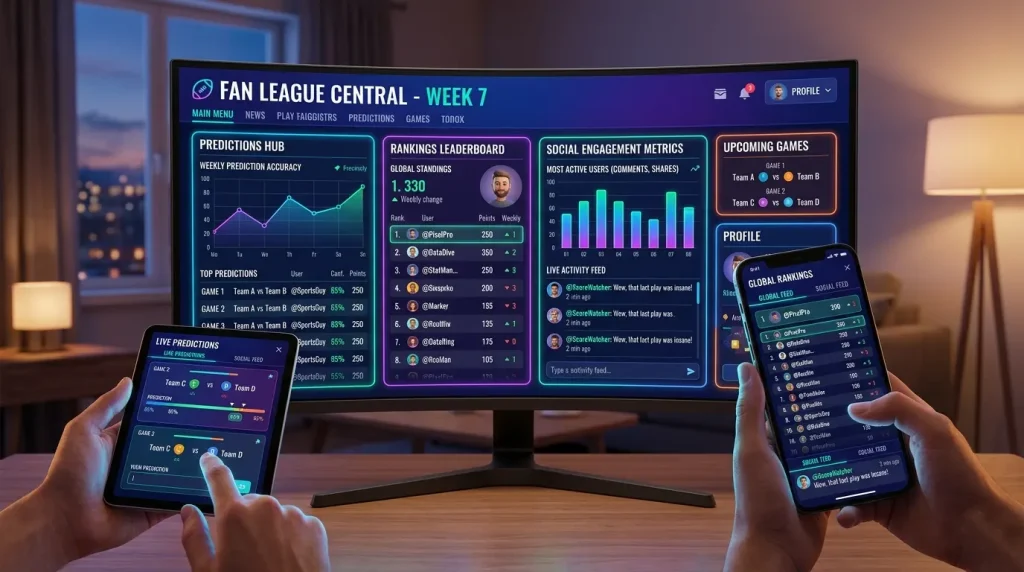
Interactive fan leagues combine competition, prediction, social interaction, rewards, and content creation into a single digital ecosystem.
Participants may:
- Create fantasy teams
- Predict game outcomes
- Compete against friends
- Earn digital rewards
- Join community discussions
- Participate in live polls and challenges
The result is an entertainment experience that extends far beyond the event itself.
Why Fans Are Hooked
The success of interactive fan leagues comes down to psychology. Fans enjoy feeling connected, competitive, and influential.
Research from Nielsen suggests that audiences who actively engage with content are more likely to remain loyal and spend more time interacting with brands and platforms.
Interactive experiences create stronger emotional investment because every prediction, lineup decision, and community interaction feels personal.
The Impact on Sports, Gaming, and Media
Sports leagues, broadcasters, gaming companies, and content creators are increasingly integrating fan-driven experiences into their business models.
Organizations such as NBA teams, esports tournaments, and streaming platforms are experimenting with second-screen experiences, real-time analytics, and fan voting systems.
These innovations create new revenue opportunities through:
- Premium memberships
- Sponsorships
- Digital collectibles
- Advertising partnerships
- Subscription services
The Role of Emerging Technology
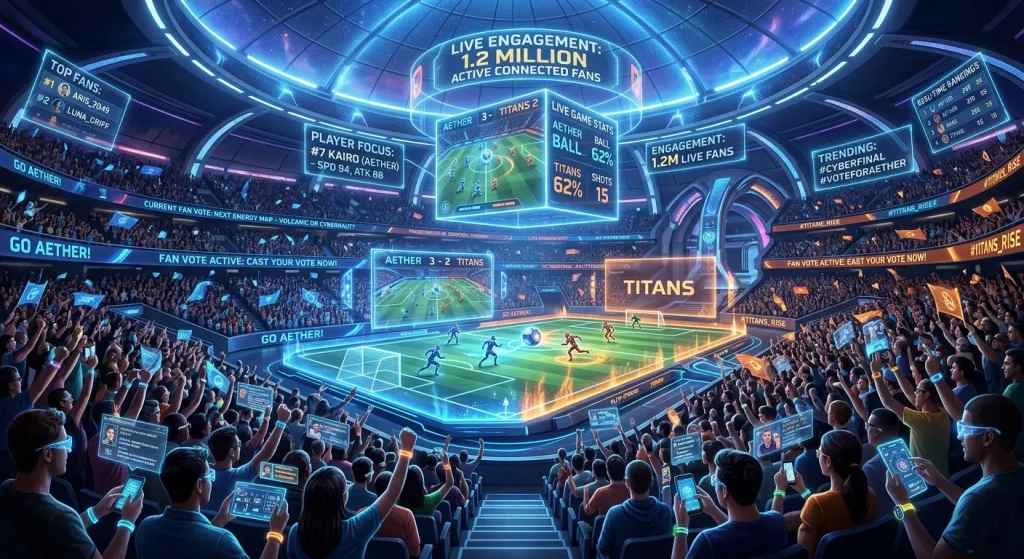
Artificial intelligence, augmented reality, blockchain technologies, and personalized recommendation systems are helping create richer fan experiences.
Future fan leagues may include AI-generated insights, immersive virtual stadiums, and highly customized community experiences tailored to individual interests.
What the Future Looks Like
As younger generations demand more interactive forms of entertainment, fan participation is expected to become a standard feature rather than an optional enhancement.
The boundary between viewer and participant continues to blur, creating entirely new forms of digital entertainment that prioritize community, competition, and engagement.
Interactive fan leagues are redefining what it means to be a fan. By transforming passive audiences into active participants, these platforms are reshaping sports, gaming, media, and entertainment as a whole.
The future of entertainment may no longer be about what happens on the screen—but how fans choose to interact with it.
#InteractiveFanLeagues #FanEngagement #SportsEntertainment #FantasySports #DigitalEntertainment #GamingCommunity #Esports #CreatorEconomy #EntertainmentTech #FutureOfMedia