

 By Vinod Ram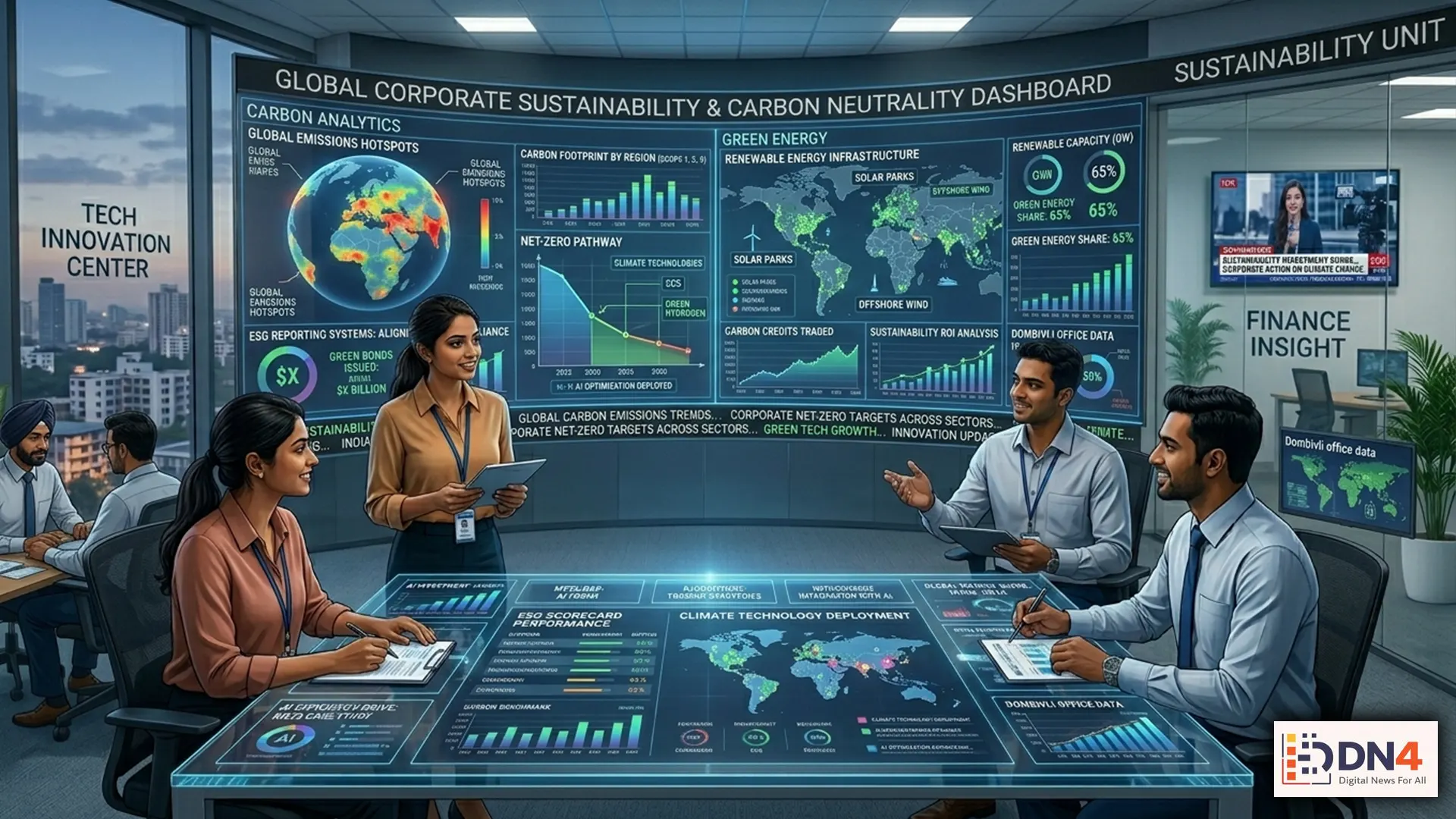
As governments and corporations intensify climate commitments ahead of 2030 sustainability targets, businesses worldwide are increasingly adopting advanced Carbon Footprint Product (CFP) calculation solutions to monitor, reduce, and report emissions more accurately.
From manufacturing and logistics to retail and technology, companies are under growing pressure to improve transparency around environmental impact while meeting stricter ESG (Environmental, Social, and Governance) expectations.
Why CFP Calculations Matter
Carbon Footprint Product calculations help companies measure greenhouse gas emissions associated with products, supply chains, manufacturing operations, and transportation activities.
Accurate carbon accounting has become critical as regulators, investors, and consumers demand stronger climate accountability from businesses worldwide.
According to the United Nations Climate Action, companies that fail to monitor emissions effectively may struggle to meet future net-zero commitments and evolving environmental regulations.

The Push Toward 2030 Climate Targets
Many multinational corporations have pledged aggressive emission reduction goals aligned with global climate initiatives and the Intergovernmental Panel on Climate Change (IPCC) recommendations.
These commitments often require detailed tracking of Scope 1, Scope 2, and Scope 3 emissions across entire supply chains.
Reports from World Economic Forum suggest digital sustainability tools and AI-driven environmental analytics are becoming essential for companies trying to achieve measurable carbon reductions by 2030.
How New CFP Solutions Are Changing Sustainability Reporting
Modern CFP calculation platforms now use artificial intelligence, cloud computing, and real-time data analytics to improve environmental reporting accuracy.
Businesses can monitor emissions across factories, logistics networks, energy consumption systems, and supplier ecosystems more efficiently than ever before.
According to Gartner, automation and digital sustainability technologies are rapidly becoming core components of long-term corporate ESG strategies.
Why Investors Are Paying Attention
Environmental transparency is increasingly influencing investor decisions. Institutional investors and financial markets are prioritizing companies with credible sustainability roadmaps and measurable climate targets.
Analysis from Bloomberg shows ESG-focused investing continues growing globally as climate risks become more financially material for corporations and shareholders.
Companies that demonstrate strong environmental reporting may also gain competitive advantages in customer trust, regulatory compliance, and global partnerships.

The Challenges Companies Still Face
Despite technological progress, many businesses still struggle with fragmented data systems, inconsistent reporting standards, and supply chain complexity.
Tracking Scope 3 emissions — which often include supplier operations and product usage — remains particularly difficult for multinational organizations.
Experts from McKinsey & Company argue that companies will need stronger collaboration between technology teams, sustainability officers, and supply chain partners to meet ambitious climate targets.
The Future of Corporate Sustainability
As 2030 climate deadlines approach, sustainability reporting is expected to become even more integrated into mainstream corporate strategy and financial planning.
Artificial intelligence, automation, and advanced analytics will likely play an increasingly important role in helping businesses reduce emissions while improving operational efficiency.
The race toward 2030 sustainability goals is accelerating, and CFP calculation solutions are becoming central to how companies measure and manage environmental impact.
For businesses worldwide, the challenge is no longer whether sustainability matters — it’s whether they can adapt quickly enough to meet rising environmental expectations from regulators, investors, and consumers.
#Sustainability #CarbonFootprint #ESG #ClimateGoals #NetZero #GreenBusiness #CarbonAccounting #EnvironmentalStrategy #ClimateAction