

 By Vinod Ram
A recent comment attributed to leadership at Standard Chartered has ignited intense global discussion about artificial intelligence, workforce value, and the future of employment in an increasingly automated economy.
The phrase “lower-value human” quickly began trending across social media and financial news platforms after concerns emerged over how AI and automation may reshape the global labor market. Critics argue the language reflects growing fears that corporations could prioritize technological efficiency over human contribution.
Why the Comments Sparked Backlash
The controversy touches on a much larger global debate surrounding artificial intelligence and the future of work. As AI systems become more capable of handling administrative, analytical, and even creative tasks, many workers fear job displacement and declining economic security.
According to reporting from Reuters, financial institutions and technology companies are increasingly investing in AI-driven automation to reduce operational costs and improve productivity.
However, critics warn that this transition could widen economic inequality if businesses fail to invest equally in workforce retraining and long-term employee development.
The Growing Fear Around AI and Employment
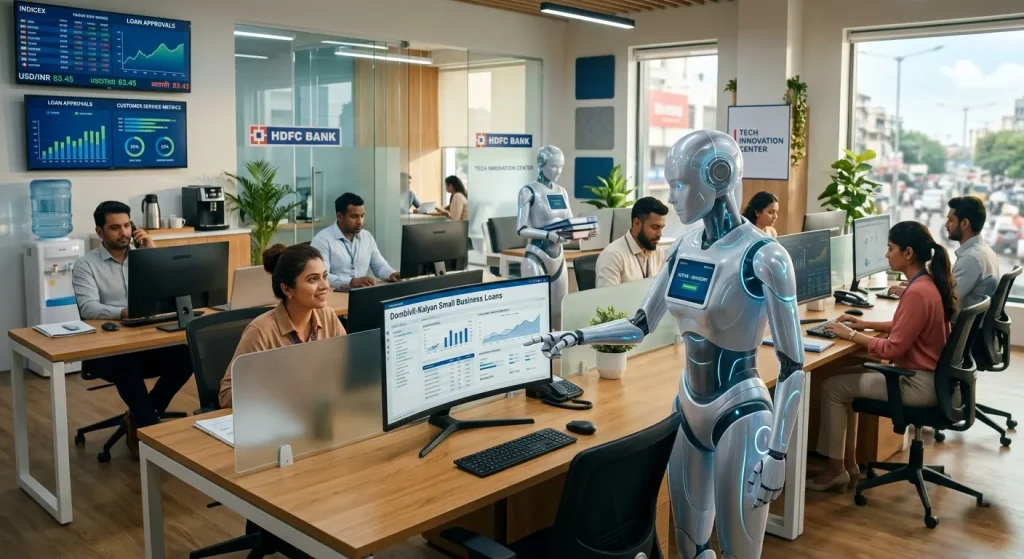
Artificial intelligence is already transforming industries ranging from banking and customer service to healthcare, logistics, and media production.
Research from World Economic Forum suggests AI could replace millions of repetitive jobs while simultaneously creating demand for new high-skilled digital roles.
The challenge, however, lies in whether workers displaced by automation can realistically transition into these emerging sectors quickly enough.
According to McKinsey & Company, AI-driven workplace disruption may disproportionately affect middle-income and administrative workers over the next decade.
Why Corporate Language Matters
Public reaction to the “lower-value human” phrase highlights increasing sensitivity around how corporations discuss employees during a period of technological transformation.
Business leaders are facing growing pressure to balance innovation with social responsibility, especially as automation becomes central to long-term corporate strategy.
Experts from the Brookings Institution argue that public trust in AI adoption will depend heavily on whether companies prioritize ethical workforce policies and inclusive economic growth.
The Economic Reality Behind Automation
From a business perspective, automation offers significant advantages including lower operational costs, faster data processing, and increased efficiency. Financial institutions worldwide are investing heavily in AI systems capable of streamlining compliance, fraud detection, and customer support operations.
Reports from Bloomberg show banks and multinational corporations are accelerating AI integration as global competition intensifies.
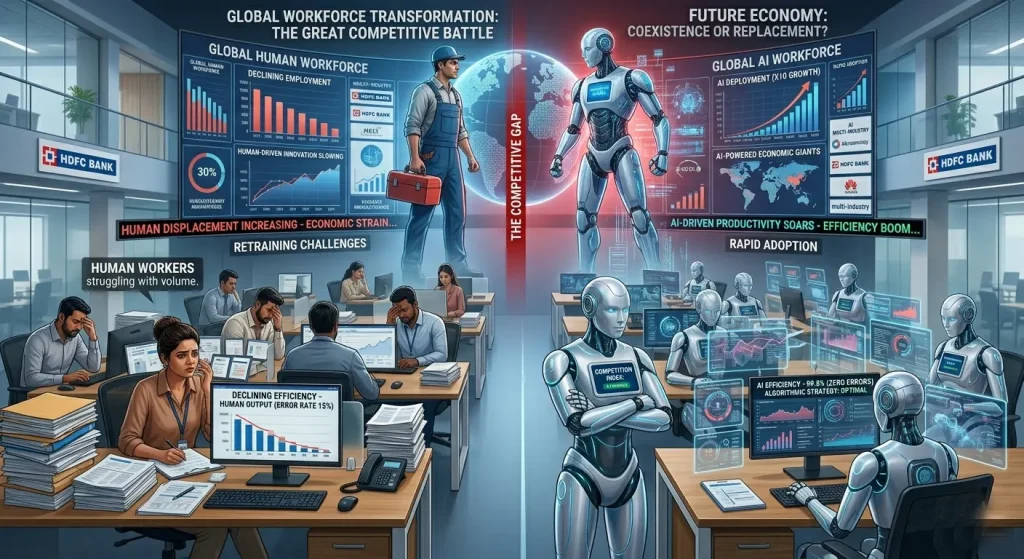
Yet economists warn that if productivity gains primarily benefit corporations while wages stagnate, social tensions and economic inequality could deepen.
What This Means for Workers
The debate surrounding AI and workforce value is likely to become even more important over the next several years. Workers across industries are increasingly focusing on digital skills, adaptability, and lifelong learning as automation reshapes traditional career paths.
Governments and educational institutions are also under pressure to modernize training systems and prepare workers for AI-driven economies.
The “lower-value human” debate reflects much deeper anxieties about artificial intelligence, economic inequality, and the future of work.
While AI may drive unprecedented productivity and innovation, the broader question remains whether societies can ensure that technological progress benefits workers as much as corporations.
As automation accelerates globally, the conversation around human value in the digital economy is only just beginning.
#ArtificialIntelligence #FutureOfWork #AIJobs #Automation #EconomicInequality #StandardChartered #WorkforceTrends #DigitalEconomy #TechDebate