

 By Vinod Ram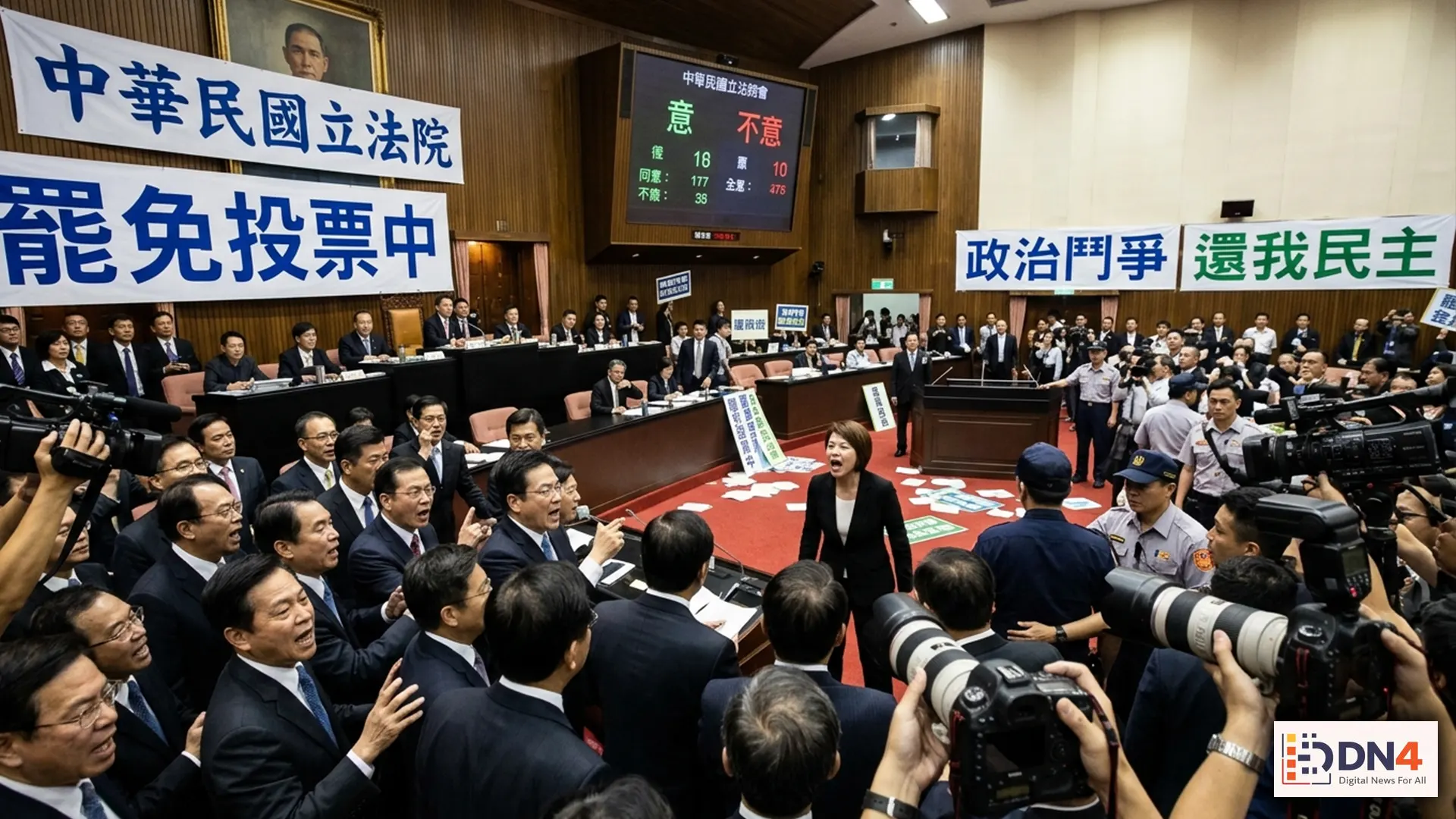
Taiwan’s latest political impeachment vote may appear to be a domestic constitutional battle on the surface, but global markets — especially the American technology sector — are watching the developments with growing concern.
As geopolitical tensions continue reshaping global supply chains, Taiwan’s political stability has become deeply connected to the future of semiconductor production, AI infrastructure, consumer electronics, and U.S. national security strategy.
In today’s economy, what happens inside Taiwan’s parliament can rapidly influence everything from smartphone production to artificial intelligence development in Silicon Valley.
Why Taiwan Holds Global Tech Power
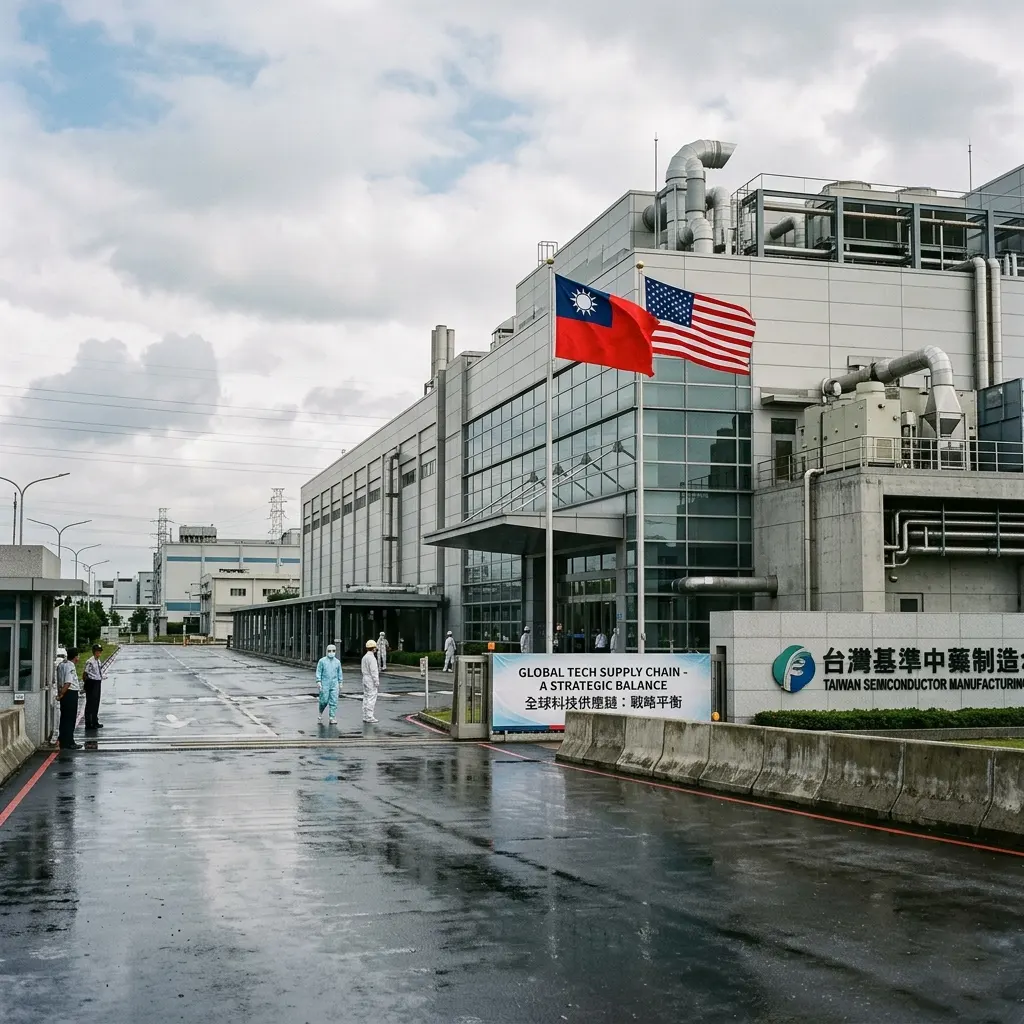
Taiwan plays an outsized role in the global economy because it sits at the center of the semiconductor industry.
The island is home to Taiwan Semiconductor Manufacturing Company (TSMC), the world’s most advanced chip manufacturer and a critical supplier for companies including Apple, Nvidia, AMD, and Qualcomm.
According to analysis from Bloomberg Technology, Taiwan produces the majority of the world’s advanced semiconductors, making political stability on the island strategically essential for global technology markets.
Without Taiwan’s chip manufacturing ecosystem, large portions of the modern digital economy would face immediate disruption.
What the Impeachment Vote Is Really About
The impeachment-related political conflict reflects broader divisions inside Taiwan over governance, cross-strait relations with China, and the island’s future geopolitical direction.
Although the internal political details are complex, international investors are primarily focused on one key question: could political instability weaken Taiwan’s ability to maintain uninterrupted semiconductor production and foreign investment confidence?
Coverage from Reuters Asia Pacific suggests financial markets remain highly sensitive to any developments that could destabilize Taiwan’s political or economic environment.
Why the US Tech Industry Is Watching Closely
For the United States, Taiwan is not simply a foreign policy issue — it is a technological dependency issue.
American companies rely heavily on Taiwanese semiconductor manufacturing for everything from smartphones and gaming systems to AI data centers and military technology.
Reports from The Wall Street Journal Tech indicate that even short-term instability surrounding Taiwan could create supply chain volatility capable of affecting production schedules, stock prices, and hardware availability worldwide.
The rise of artificial intelligence has only intensified these concerns, as advanced AI systems require increasingly sophisticated semiconductor production.
The AI Boom Raises the Stakes
The global AI race has dramatically increased Taiwan’s strategic importance.
Companies building AI infrastructure — including Microsoft, Google, OpenAI partners, and Nvidia — depend heavily on cutting-edge chips manufactured in Taiwan.
According to CNBC Technology, growing AI demand has made semiconductor supply one of the most critical economic and geopolitical issues facing the United States and its allies.
As a result, political uncertainty inside Taiwan now carries consequences far beyond regional politics.
The China Factor
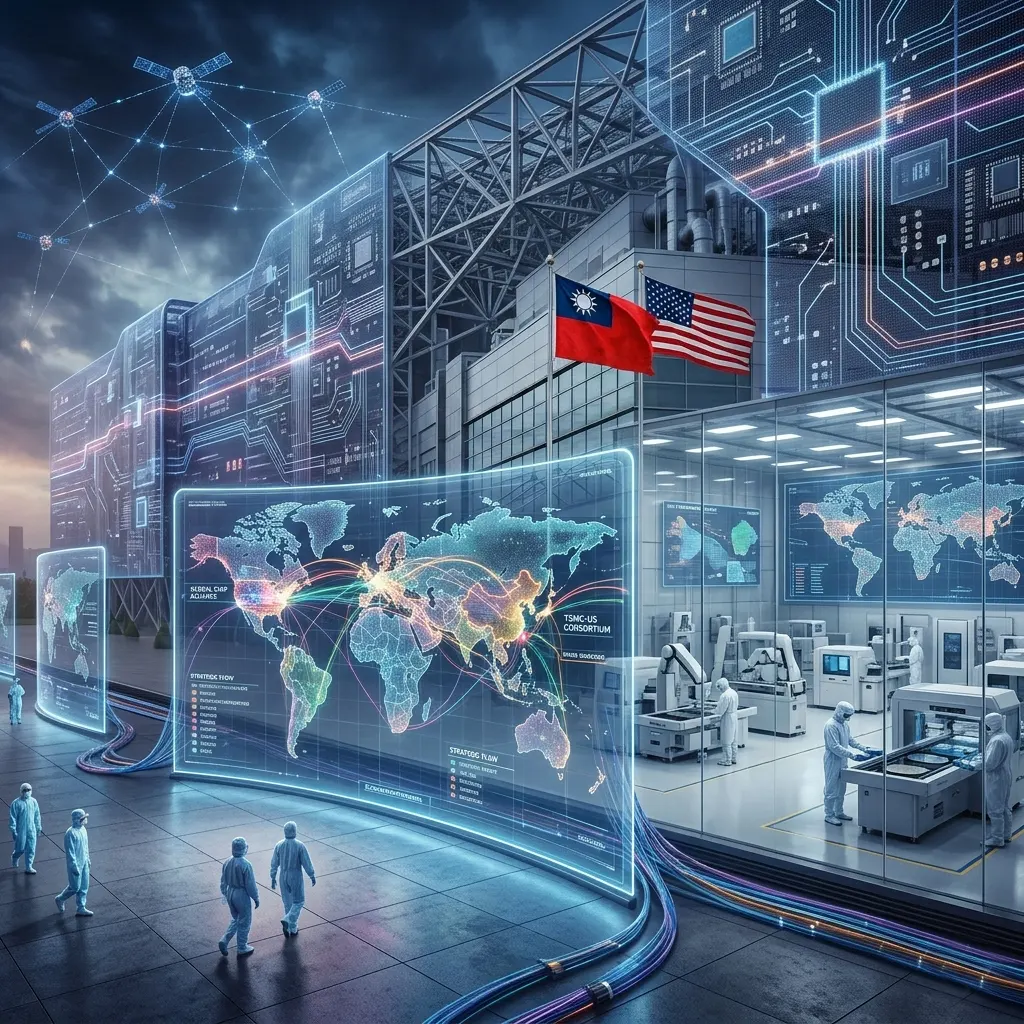
Any political instability in Taiwan also immediately raises broader geopolitical concerns involving China.
Beijing considers Taiwan part of its territory, while the United States maintains strategic support for Taiwan’s democratic system and regional security.
Analysts at Foreign Affairs warn that political crises inside Taiwan can increase international tensions, especially when semiconductor supply chains are involved.
Because modern economies depend so heavily on advanced chips, Taiwan’s domestic politics have effectively become part of global economic security.
Can the US Reduce Dependence?
The United States has already begun attempting to reduce its semiconductor dependence through domestic manufacturing investments and legislation such as the CHIPS Act.
However, experts say replicating Taiwan’s semiconductor ecosystem could take years or even decades.
TSMC’s technological leadership, engineering talent, and manufacturing infrastructure remain extremely difficult to replace quickly.
Taiwan’s impeachment vote may sound like a regional political event, but its implications reach directly into the heart of the global technology economy.
As semiconductors become increasingly essential to AI, defense systems, cloud computing, and consumer electronics, America’s technological future now deeply ties Taiwan’s political stability to its own.
In many ways, the world is discovering that modern geopolitics is no longer driven only by oil or military power — but by microchips.
#Taiwan #Semiconductors #TechNews #TSMC #Geopolitics #USChina #SupplyChain #TaiwanPolitics #GlobalEconomy