


Few entertainers embodied contradiction as powerfully as Bob Saget. To millions of television viewers, he was the lovable, clean-cut father figure from Full House. But inside comedy clubs, Saget was known for a radically different identity — fearless, dark, brutally honest, and unapologetically edgy.
That contrast became one of the most fascinating aspects of his career. Long after his passing, Saget’s dual legacy continues to offer important lessons for aspiring stand-up comedians navigating today’s entertainment industry.
The Power of Reinvention
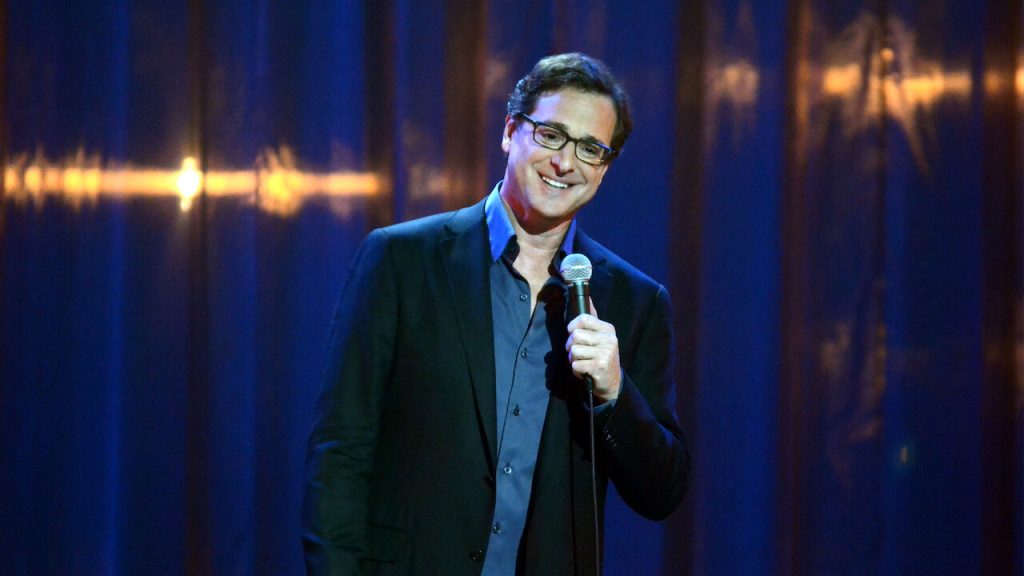
Bob Saget mastered something many performers struggle to achieve: creative duality. While mainstream audiences knew him through family-friendly television, comedy fans recognized his sharp, boundary-pushing humor on stage.
According to Rolling Stone, Saget intentionally separated his television image from his stand-up identity, proving comedians do not need to be trapped inside a single public persona.
For modern comedians, this lesson remains incredibly relevant in an era dominated by branding and algorithm-driven content.
Authenticity Over Image Control
Today’s entertainment culture often pressures comedians to become highly curated social media personalities. Bob Saget represented the opposite approach. His comedy was raw, unpredictable, and deeply personal.
Even when audiences were shocked by the contrast between his TV persona and his stand-up material, Saget refused to dilute his comedic instincts for broader approval.
Industry analysis from Vulture suggests that Saget’s willingness to embrace uncomfortable humor helped establish him as a respected figure among fellow comedians, even when mainstream audiences misunderstood his act.
The Comedy Club Was Always Home
Despite achieving television fame through Full House and hosting success on America’s Funniest Home Videos, Saget repeatedly returned to stand-up comedy.
That commitment demonstrated a critical principle for aspiring comics: long-term success often comes from staying connected to the craft itself rather than chasing celebrity alone.
In interviews covered by The Guardian Comedy, fellow comedians frequently described Saget as a “comic’s comic” — someone who genuinely loved performing, experimenting, and connecting with live audiences.
The Importance of Vulnerability in Comedy
Beneath the shock humor and outrageous jokes, Saget’s comedy often revealed emotional honesty. He openly discussed grief, relationships, fear, and the absurdity of life.
This emotional transparency became one of the reasons audiences and fellow performers respected him so deeply.
Modern comedy increasingly rewards vulnerability and authenticity, especially in the streaming and podcast era where audiences seek deeper personal connection with performers.
Coverage from The New York Times Arts highlighted how Saget balanced humor with emotional openness in ways that influenced younger generations of comedians.

Lessons for the Next Generation of Stand-Ups
Bob Saget’s career offers several lasting lessons for aspiring comedians:
- Do not let public image limit creative identity
- Authenticity matters more than algorithmic popularity
- Protect your artistic voice even when it divides audiences
- Continue evolving creatively regardless of fame level
- Stay connected to live performance and audience interaction
These lessons feel especially important in today’s digital-first comedy ecosystem, where viral clips can create overnight fame but not necessarily long-term artistic growth.
A Legacy Beyond Television
While many fans will always remember Bob Saget as Danny Tanner, his deeper influence extends far beyond sitcom nostalgia.
He represented artistic freedom — the ability to balance commercial success with creative honesty. That rare combination is precisely why his legacy continues to resonate across modern comedy culture.
For aspiring stand-ups trying to survive an entertainment industry built on constant visibility and instant judgment, Bob Saget’s career remains both a warning and a blueprint.
#BobSaget #StandUpComedy #Comedy #Hollywood #Comedians #Entertainment #FullHouse #ComedyIndustry #Legacy