

 By Vinod Ram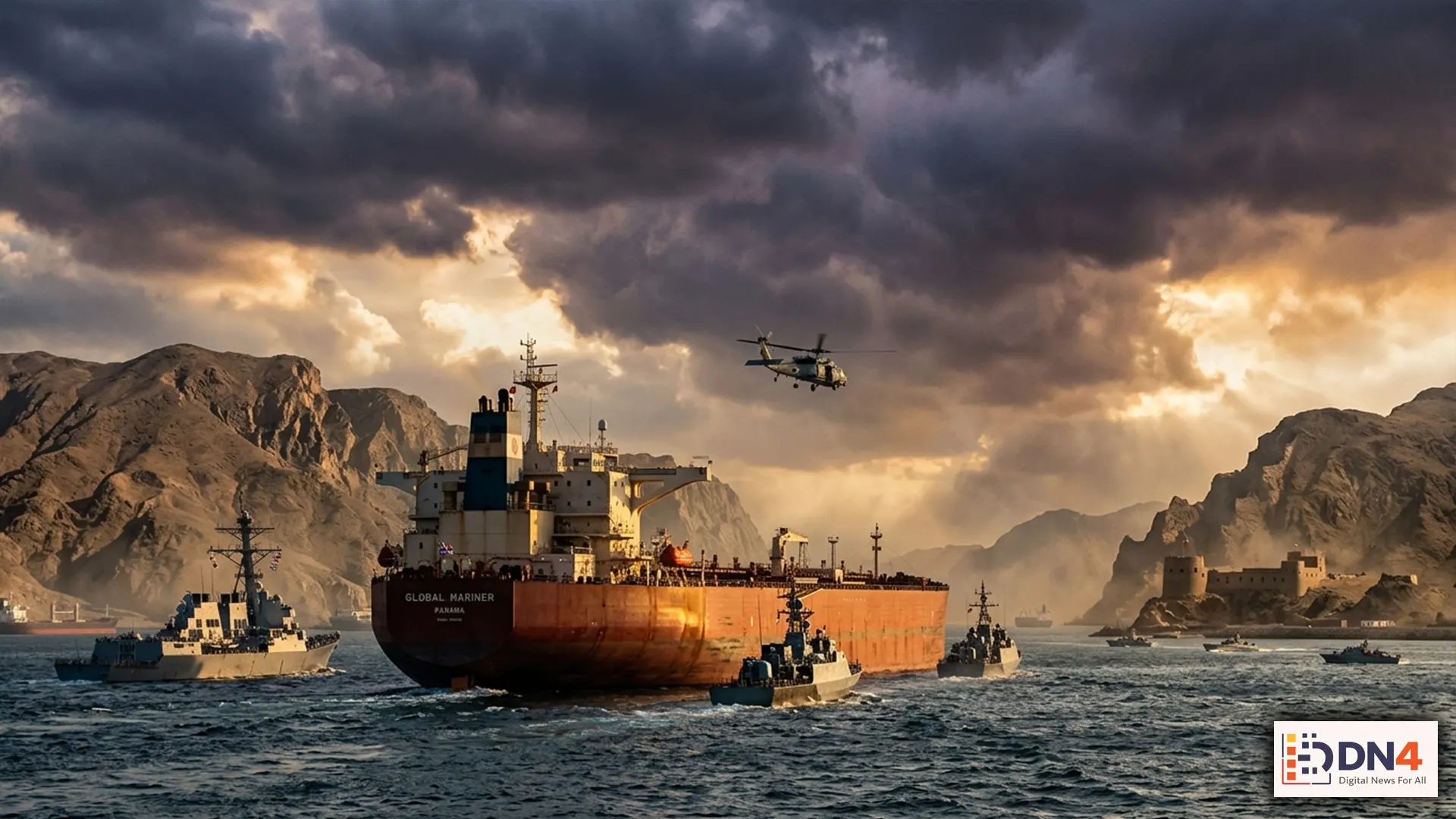
Global markets are once again on edge as rising geopolitical tensions surrounding the Strait of Hormuz spark fears of a potential blockade that could disrupt one of the world’s most critical energy corridors.
Often described as the “world’s most important oil chokepoint,” the narrow waterway handles nearly one-fifth of global petroleum trade. Any sustained disruption could trigger severe consequences for oil prices, shipping logistics, inflation, and global economic stability.
Energy analysts warn that the economic fallout from a prolonged blockade may ripple across industries ranging from transportation and manufacturing to consumer goods and financial markets.
Why the Strait of Hormuz Matters
Located between Oman and Iran, the Strait of Hormuz connects the Persian Gulf to the Arabian Sea and global shipping routes. Major oil-exporting countries including Saudi Arabia, Iraq, Kuwait, and the United Arab Emirates depend heavily on the passage to transport crude oil and liquefied natural gas to international markets.
According to the International Energy Agency, millions of barrels of oil pass through the strait every day, making it one of the most strategically important maritime routes in the world.
Even short-term disruptions in the region have historically caused sharp increases in energy prices and investor uncertainty.
The Immediate Impact on Oil Markets
Commodity traders are closely monitoring the situation as fears of supply shortages continue pushing oil prices higher. Analysts at Reuters Energy suggest that any confirmed shipping disruption could rapidly send crude prices above critical resistance levels.
Higher oil prices would likely increase fuel costs globally, affecting airlines, shipping companies, trucking industries, and consumers already facing inflationary pressure.
Financial institutions such as Goldman Sachs have repeatedly warned that geopolitical instability in the Gulf region remains one of the largest risks to global energy markets.
Global Shipping and Supply Chains at Risk
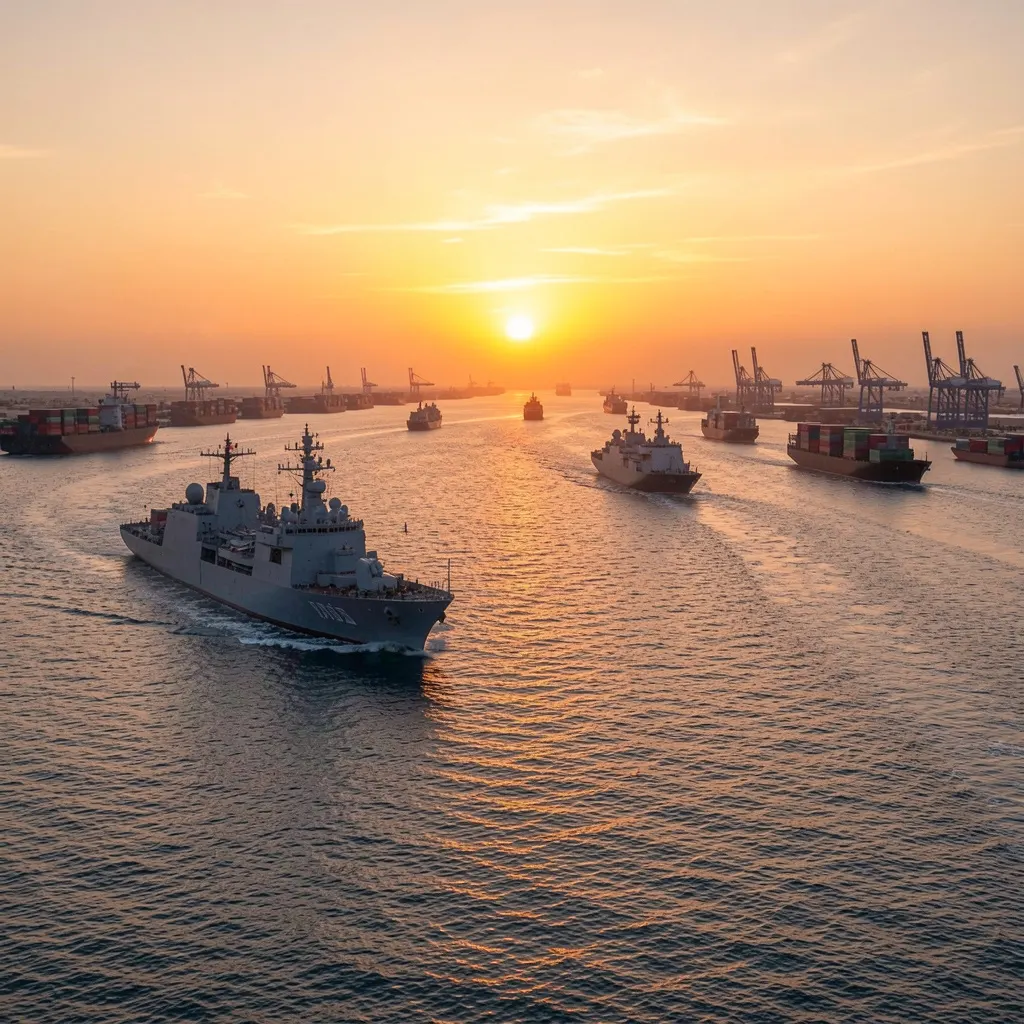
The Strait of Hormuz is not only vital for oil exports but also for broader international shipping activity. A blockade or military escalation could force vessels to reroute, delay cargo deliveries, and increase maritime insurance costs.
Shipping disruptions may impact industries including:
- Energy and fuel distribution
- Automotive manufacturing
- Consumer electronics
- Aviation and logistics
- Food and commodity transportation
Experts from Lloyd’s List note that shipping insurers may significantly raise premiums for vessels operating near high-risk conflict zones.
Inflation Could Surge Again
One of the largest concerns for economists is the inflationary impact of rising energy prices. Higher fuel and transportation costs often spread throughout the broader economy, increasing prices for goods and services worldwide.
Central banks already navigating fragile economic recovery conditions could face renewed pressure if oil prices spike dramatically.

According to analysis from the International Monetary Fund, energy shocks remain one of the fastest ways geopolitical crises can destabilize global growth forecasts.
Military and Geopolitical Tensions Escalate
The strategic importance of the Strait of Hormuz means any disruption quickly attracts global military attention. The United States and allied naval forces have historically maintained a strong presence in the region to ensure freedom of navigation.
Security analysts warn that even limited confrontations involving commercial vessels, drones, or regional militias could intensify uncertainty in global financial markets.
Research organizations like the Council on Foreign Relations have repeatedly highlighted how interconnected energy security and geopolitical stability have become in modern global economics.
Could the Global Economy Absorb Another Shock?
The world economy is still recovering from years of inflation, supply chain disruption, and slowing growth in major markets. A sustained Hormuz crisis could test the resilience of governments, corporations, and consumers alike.
Energy-importing nations across Europe and Asia may face the largest economic risks if oil flows become restricted for an extended period.
As tensions continue building, policymakers and investors are watching closely. For now, one message dominates financial markets and geopolitical discussions alike: the clock is ticking.
#StraitOfHormuz #OilPrices #GlobalEconomy #MiddleEast #EnergyCrisis #WorldTrade #Geopolitics #ShippingCrisis #EconomicNews