

 By Vinod Ram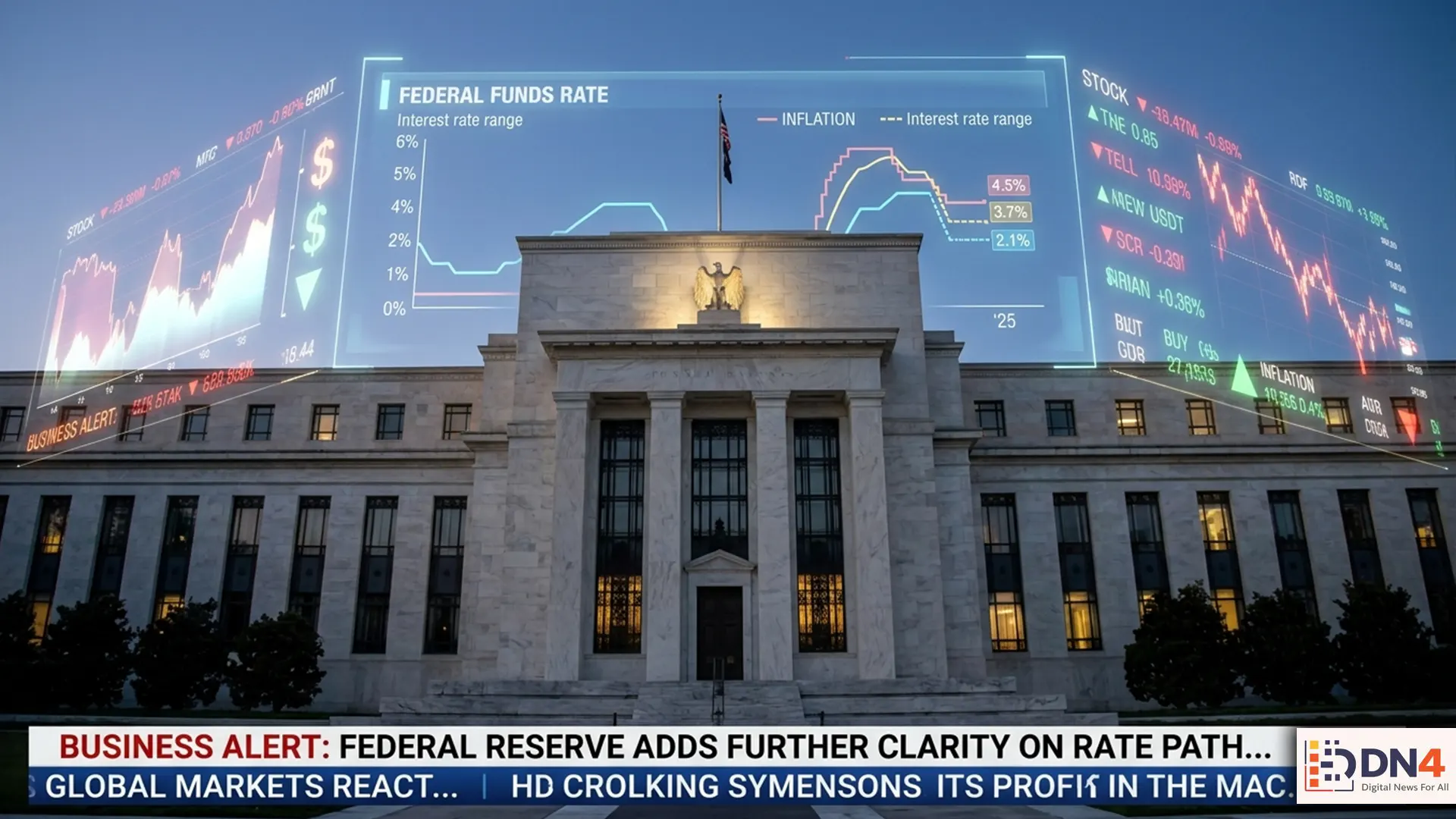
The confirmation of Kevin Warsh to a major Federal Reserve leadership role could become one of the most important economic developments of 2026. Financial markets, mortgage lenders, investors, and everyday consumers are all closely watching what his influence may mean for future interest rate policy — and ultimately, the cost of borrowing money across the United States.
At a time when inflation concerns, housing affordability, and recession fears continue shaping the global economy, changes within the Federal Reserve are being viewed as critical signals for the financial system’s next phase.
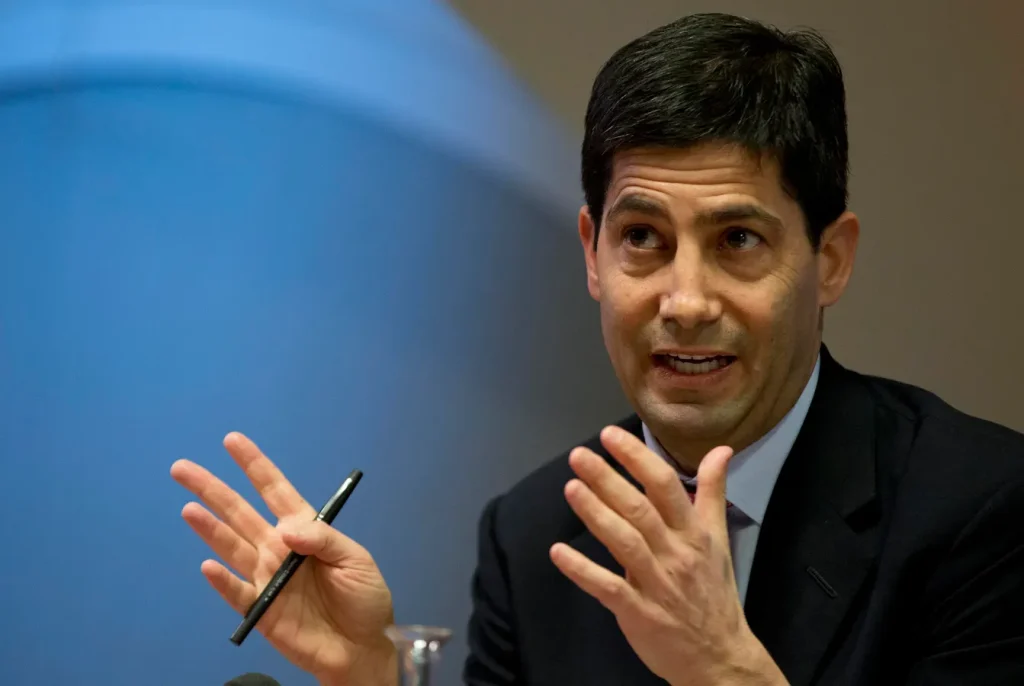
Who Is Kevin Warsh?
Kevin Warsh is a longtime economist, banker, and former Federal Reserve governor known for his influence during the 2008 financial crisis and his connections to Wall Street and economic policy circles. Over the years, Warsh has built a reputation as a serious monetary policy strategist with strong views on inflation, market stability, and central bank credibility.
Financial analysts from Bloomberg and The Wall Street Journal have described Warsh as a figure likely to favor disciplined monetary policy aimed at controlling inflation while maintaining long-term market confidence.
Why Interest Rates Matter So Much
Federal Reserve decisions directly influence nearly every part of the modern economy. Interest rates affect:
- Mortgage rates for homebuyers
- Credit card borrowing costs
- Auto and personal loans
- Business investment activity
- Stock market performance
- Savings account returns
When the Fed raises rates, borrowing becomes more expensive, often slowing spending and helping reduce inflation. When rates fall, borrowing becomes cheaper, encouraging investment and economic growth.
Could Warsh Push for Higher Rates?
One of the biggest questions surrounding Warsh’s confirmation is whether he will support a more aggressive stance on inflation control. Some economists believe he could favor keeping interest rates elevated longer than markets currently expect.
Supporters argue that maintaining strong anti-inflation policies protects long-term economic stability and prevents future financial bubbles. Critics, however, warn that prolonged high rates could slow economic growth and make borrowing increasingly difficult for consumers and businesses.
Analysts at CNBC Economy note that financial markets often react immediately to perceived changes in Federal Reserve leadership philosophy.
What This Means for Homebuyers and Consumers
For ordinary Americans, Federal Reserve leadership changes can have real-world consequences surprisingly quickly.
- Mortgage rates could remain elevated longer.
- Credit card interest may stay expensive.
- Savings accounts could offer stronger returns.
- Stock market volatility may increase.
- Business hiring and investment decisions could slow.
The housing market is particularly sensitive to Fed policy. Even small changes in interest rates can significantly impact monthly mortgage payments, home affordability, and real estate demand.
The Bigger Economic Picture
Warsh’s confirmation also reflects a broader debate over the future direction of U.S. economic policy. Central banks worldwide continue balancing inflation control against economic growth concerns following years of pandemic-era stimulus and global instability.
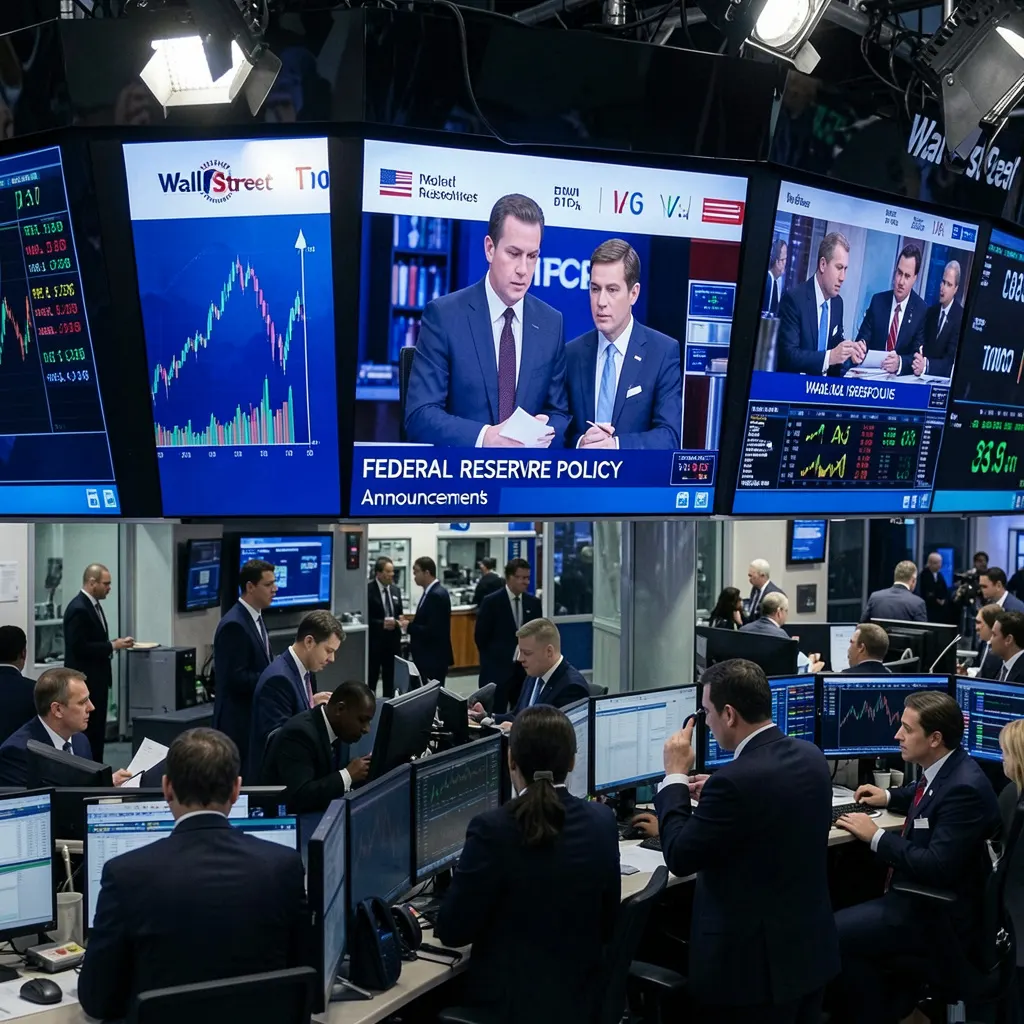
Meanwhile, investors across Wall Street remain highly sensitive to any indication of future Federal Reserve policy shifts.
Some economists believe the next phase of Fed leadership could define not only interest rates, but also broader issues involving labor markets, banking regulation, and long-term economic resilience.
Why Markets Are Watching Closely
Whether Kevin Warsh ultimately pursues aggressive inflation fighting or a more balanced economic approach, his confirmation signals a potentially important transition period for American monetary policy.
For consumers, investors, and businesses alike, the stakes are enormous. The Federal Reserve’s next moves could shape borrowing costs, investment opportunities, and economic confidence for years to come.
#FederalReserve #KevinWarsh #InterestRates #EconomyNews #MortgageRates #Inflation #FinanceNews #WallStreet #USMarkets