

 By Vinod Ram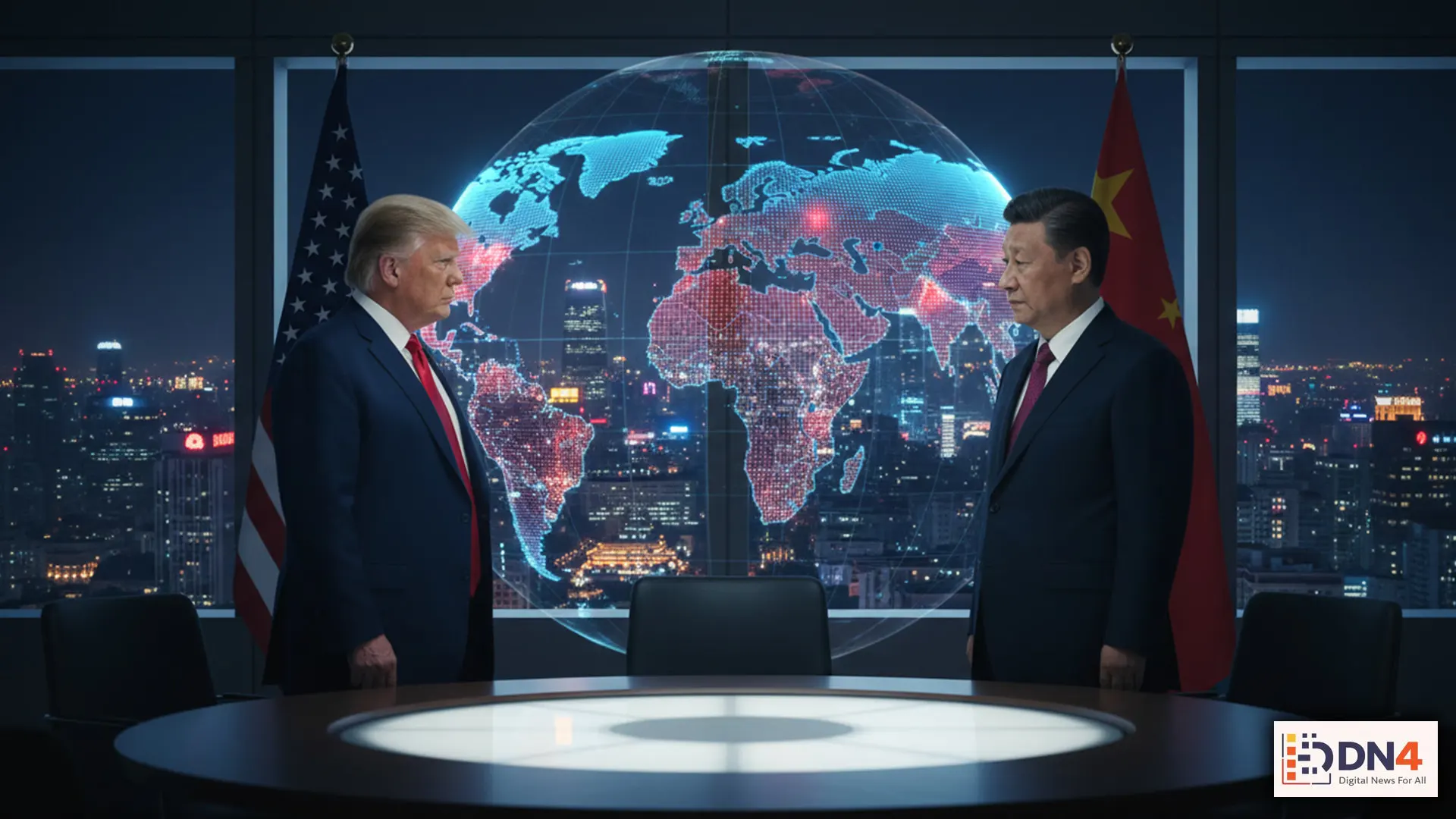
The fragile relationship between the United States and China has entered another dangerous phase in 2026, with rising tensions fueling fears of economic disruption, diplomatic collapse, and potential military escalation. At the center of global attention stand Donald Trump and Chinese President Xi Jinping — two powerful political figures whose decisions could shape the future stability of the international order.
As Beijing and Washington navigate growing disputes over trade, technology, military influence, and Taiwan, world leaders and financial markets are increasingly concerned that miscalculation or political escalation could trigger consequences far beyond either nation’s borders.
Why US-China Relations Matter to the Entire World
The United States and China remain the world’s two largest economic powers, deeply interconnected through global trade, financial systems, manufacturing supply chains, and international security alliances.
Analysts from Council on Foreign Relations and Brookings Institution warn that deteriorating relations between the two superpowers could destabilize everything from global markets to regional security partnerships.
- Technology restrictions continue intensifying competition.
- Trade disputes remain unresolved.
- Military activity in the Indo-Pacific is increasing.
- Taiwan remains one of the most sensitive flashpoints.
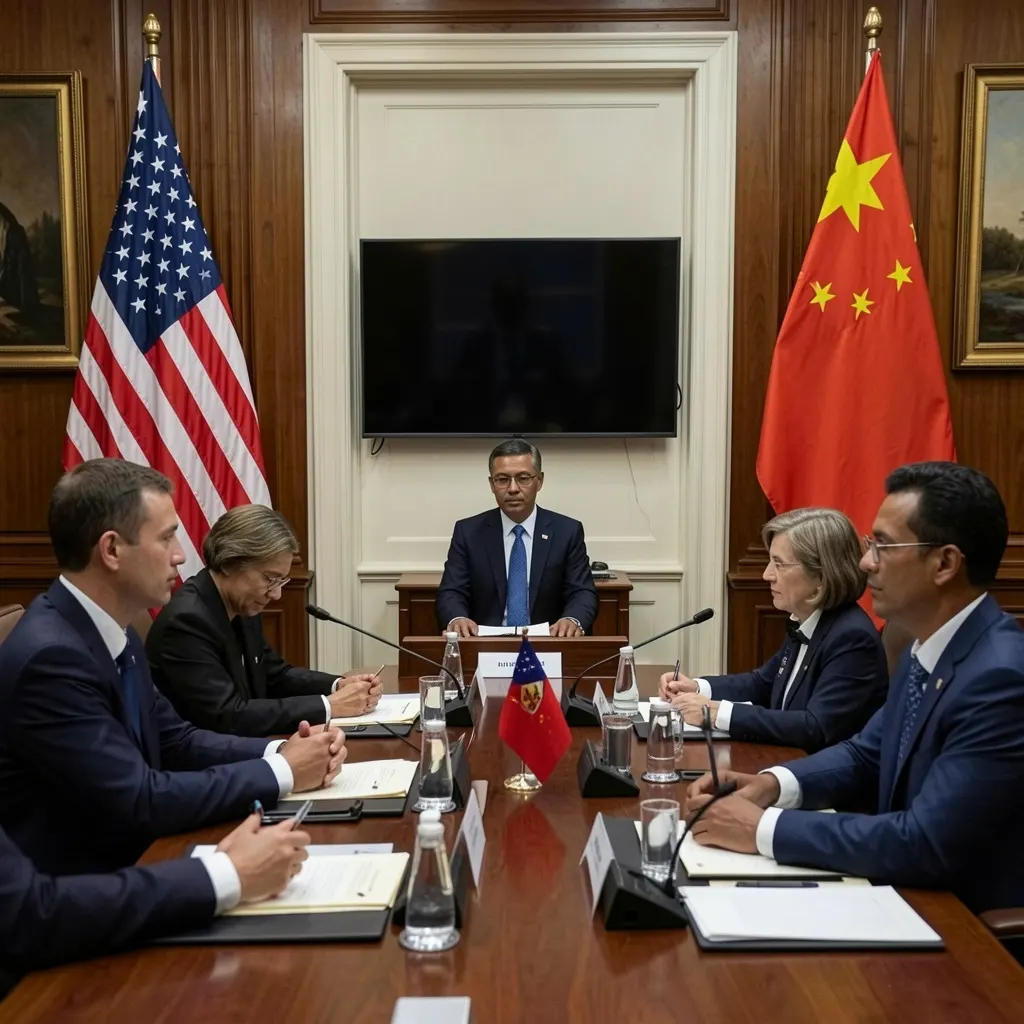
The Trump Factor in 2026
Donald Trump’s approach toward China has long emphasized aggressive trade policy, economic nationalism, and pressure on Beijing regarding manufacturing, tariffs, and geopolitical influence. Supporters argue that stronger confrontation is necessary to protect American economic interests and national security.
Critics, however, fear that escalating rhetoric and hardline policies could deepen instability during an already fragile geopolitical moment.
Coverage from Reuters World News and BBC World highlights growing concerns surrounding diplomatic communication channels between Washington and Beijing.
Xi Jinping’s Strategic Calculations
For Xi Jinping, maintaining China’s economic stability and geopolitical influence remains a central priority. Beijing continues investing heavily in military modernization, technology independence, and global infrastructure initiatives while attempting to project long-term strategic confidence.
Yet China also faces economic pressures of its own, including slowing growth, real estate instability, youth unemployment concerns, and growing international scrutiny from Western governments.
Observers believe Xi’s leadership now faces the difficult challenge of balancing domestic nationalism with the need to avoid large-scale international confrontation.
The Taiwan Flashpoint
No issue creates greater concern among global security experts than Taiwan. The island remains the single most dangerous potential trigger for direct confrontation between the United States and China.
- China continues asserting sovereignty claims over Taiwan.
- The US maintains strategic military commitments in the region.
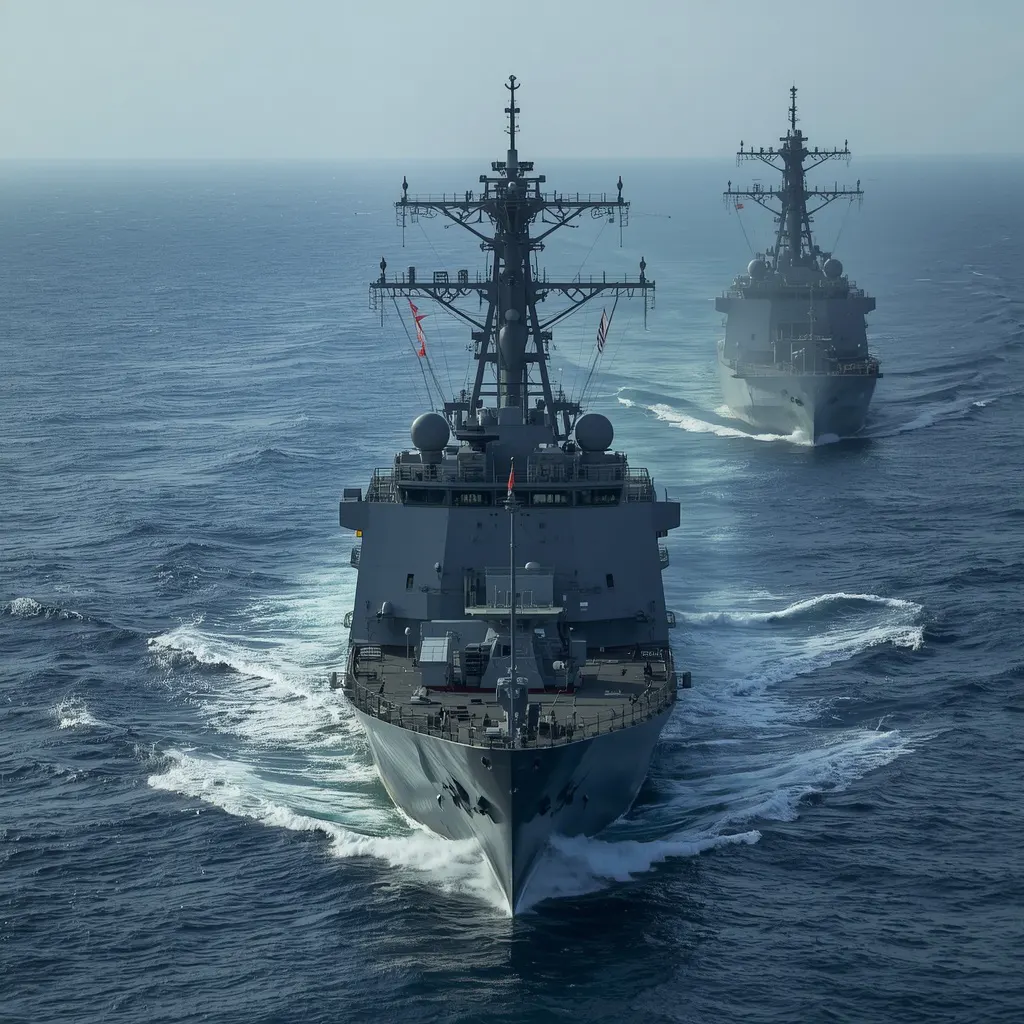
- Military exercises and naval activity have intensified.
- Global semiconductor supply chains depend heavily on Taiwan.
Security analysts at Center for Strategic and International Studies warn that even accidental escalation could produce enormous geopolitical and economic consequences worldwide.
How Markets Are Reacting
Financial markets remain highly sensitive to developments between Washington and Beijing. Investors fear that deeper confrontation could disrupt:
- Global manufacturing supply chains
- Technology exports and semiconductor production
- Energy and shipping routes
- International stock markets and currency stability
Wall Street analysts continue monitoring every diplomatic signal for clues about whether negotiations will stabilize tensions or push the two powers closer to confrontation.
Can Escalation Still Be Avoided?
Despite rising tensions, many foreign policy experts still believe diplomatic engagement remains possible. Historically, even during periods of intense rivalry, communication between major powers has often prevented crises from spiraling into open conflict.
Whether Trump and Xi can navigate the growing pressures of nationalism, economic competition, and military rivalry may ultimately become one of the defining geopolitical questions of the decade.
For now, the world is watching Beijing — aware that decisions made behind closed doors could shape global stability for years to come.
#Trump #XiJinping #USChina #WorldPolitics #Geopolitics #Taiwan #GlobalEconomy #InternationalRelations #ChinaNews