

 By Vinod Ram
The tech world is buzzing with the launch of HUMAIN ONE, a revolutionary AI-powered operating system that could fundamentally change how we interact with technology. Instead of juggling dozens of apps, this system promises a unified, intelligent interface that does everything for you.
As artificial intelligence rapidly evolves, platforms like OpenAI and Google DeepMind are already pushing the boundaries of what AI can achieve. HUMAIN ONE appears to take things a step further—potentially eliminating the need for traditional apps altogether.
What Is HUMAIN ONE?
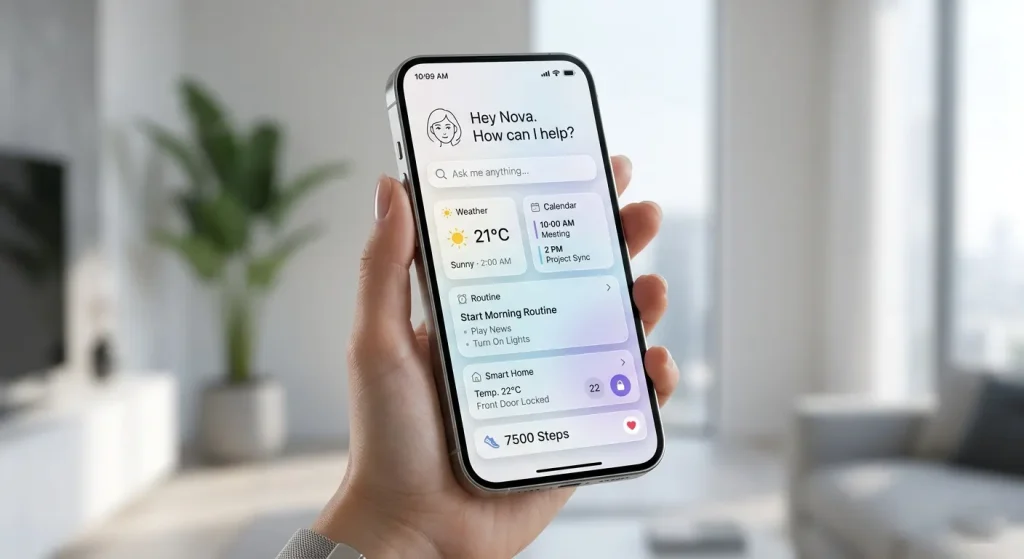
HUMAIN ONE is being described as an AI-native operating system. Unlike iOS or Android, which rely on separate applications, HUMAIN ONE uses a centralized AI engine to perform tasks dynamically.
Instead of opening multiple apps, users simply tell the system what they want. Whether it’s booking a flight, editing a document, or managing finances, the AI handles everything seamlessly.
The “End of Apps” Concept Explained
The idea behind HUMAIN ONE is simple but disruptive: remove the need for individual apps by replacing them with intelligent workflows.
- No more switching between apps
- Personalized AI-driven interfaces
- Real-time task execution across services
Industry insights from TechCrunch suggest this could redefine the entire mobile ecosystem.
How It Could Change Daily Life
Imagine asking your device: “Plan my weekend trip.” Instead of opening travel, maps, and booking apps, HUMAIN ONE could:
- Search flights and hotels
- Compare prices
- Book reservations
- Sync everything to your calendar
Similar AI integrations are already being explored by Microsoft AI and Meta AI, but HUMAIN ONE aims to unify all these capabilities into one system.
Challenges and Concerns
Despite its promise, the concept raises important questions:
- Data privacy and security risks
- Dependence on a single AI system
- Impact on app developers and marketplaces
Experts at Forbes Tech warn that while AI OS platforms are powerful, they must address trust and transparency issues.
What This Means for the Tech Industry
If HUMAIN ONE succeeds, it could disrupt billion-dollar app ecosystems like Apple’s App Store and Google Play. This shift may redefine revenue models, advertising strategies, and user engagement.
According to Statista, the global app market generates hundreds of billions annually—making this potential shift massive.
The Future of AI Operating Systems
HUMAIN ONE may just be the beginning. As AI becomes more advanced, we could see a transition toward fully conversational computing, where devices act more like assistants than tools.
The launch of HUMAIN ONE raises a bold question: Are apps becoming obsolete? While it’s too early to say for certain, one thing is clear—the future of computing is becoming increasingly AI-driven.
#HUMAINONE #AIOS #FutureOfApps #ArtificialIntelligence #TechTrends #AIRevolution #DigitalTransformation #NextGenTech