

 By Vinod Ram
General Motors has reached a major sustainability milestone by powering its U.S. operations with 100% renewable energy. This achievement marks a significant step in the company’s long-term strategy—but what does it mean for electric vehicle (EV) prices in 2026?
GM’s Renewable Energy Breakthrough
According to GM’s official announcements, the company has transitioned to renewable energy sources such as wind and solar across its U.S. facilities. This move aligns with its broader goal of carbon neutrality.
Will Renewable Energy Lower EV Costs?
Switching to renewable energy can reduce long-term operational costs, but the impact on EV pricing is complex.

- Lower Energy Costs: Renewable energy can stabilize electricity expenses
- High Initial Investment: Infrastructure costs may offset short-term savings
- Supply Chain Factors: Battery materials still drive a large portion of EV costs
Insights from McKinsey automotive research suggest that energy efficiency improvements can gradually reduce production costs over time.
The Bigger Cost Drivers in EVs
While renewable energy helps, the biggest factors influencing EV prices remain:
- Battery technology and raw materials
- Manufacturing scale
- Government incentives and regulations
Industry Trends in 2026
The EV market is becoming increasingly competitive. Reports from Statista EV data show growing adoption rates in the U.S. and Europe, putting pressure on automakers to reduce prices.
What This Means for Consumers
For buyers, GM’s renewable milestone could indirectly lead to benefits:
- More stable pricing over time
- Potential cost reductions as technology improves
- Greater access to sustainable vehicles
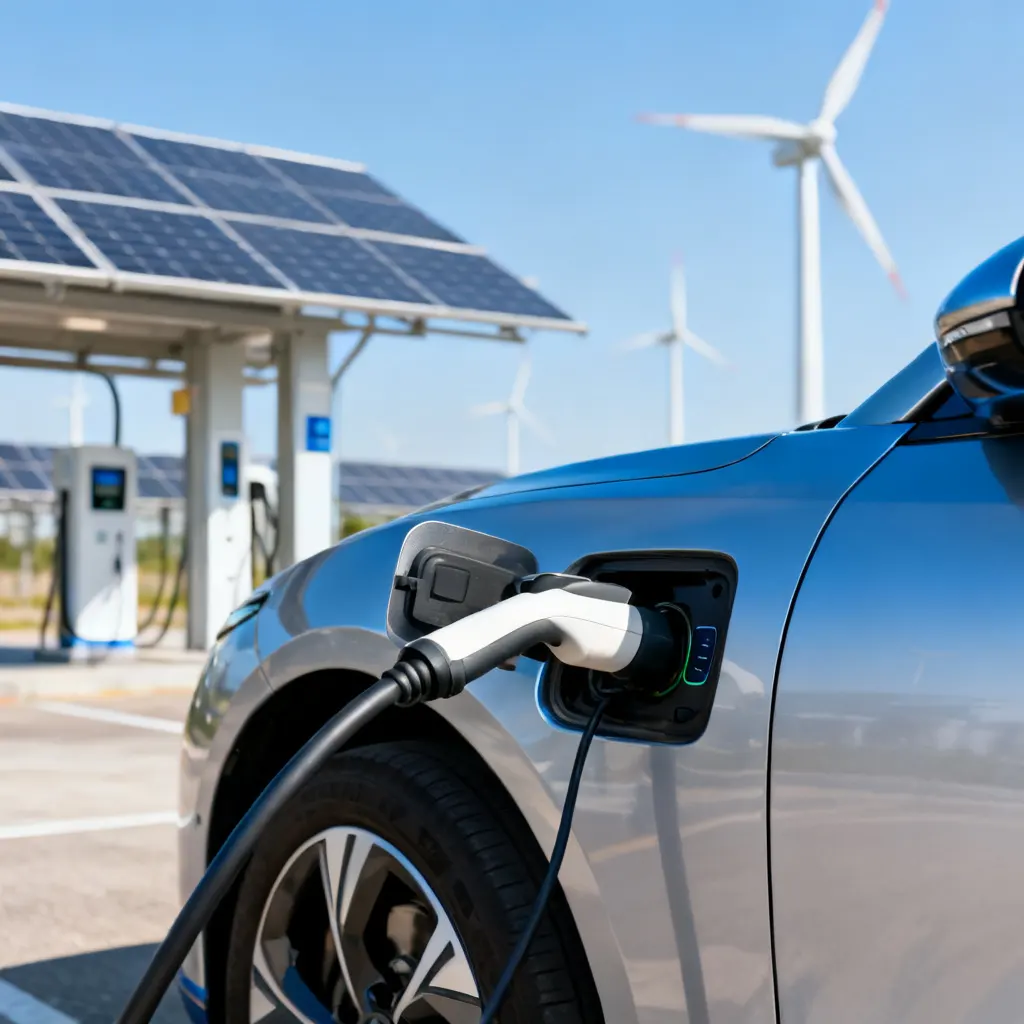
Sustainability vs Affordability
Balancing sustainability with affordability remains a challenge. According to International Energy Agency, scaling production is key to making EVs more affordable globally.
Expert Predictions
Experts believe that while renewable energy adoption is a positive step, significant EV price drops will depend on battery innovation and economies of scale. Coverage from Bloomberg Energy highlights that price parity with gasoline cars is approaching.
GM’s 100% renewable energy milestone is a major achievement, but it won’t instantly lower EV prices in 2026. However, it sets the stage for long-term cost reductions and a more sustainable automotive future.
As the EV market evolves, consumers can expect gradual price improvements driven by innovation, competition, and sustainability efforts.
#ElectricVehicles #GM #RenewableEnergy #EV2026 #Sustainability #GreenEnergy #AutoIndustry #FutureOfTransport