

 By Vinod Ram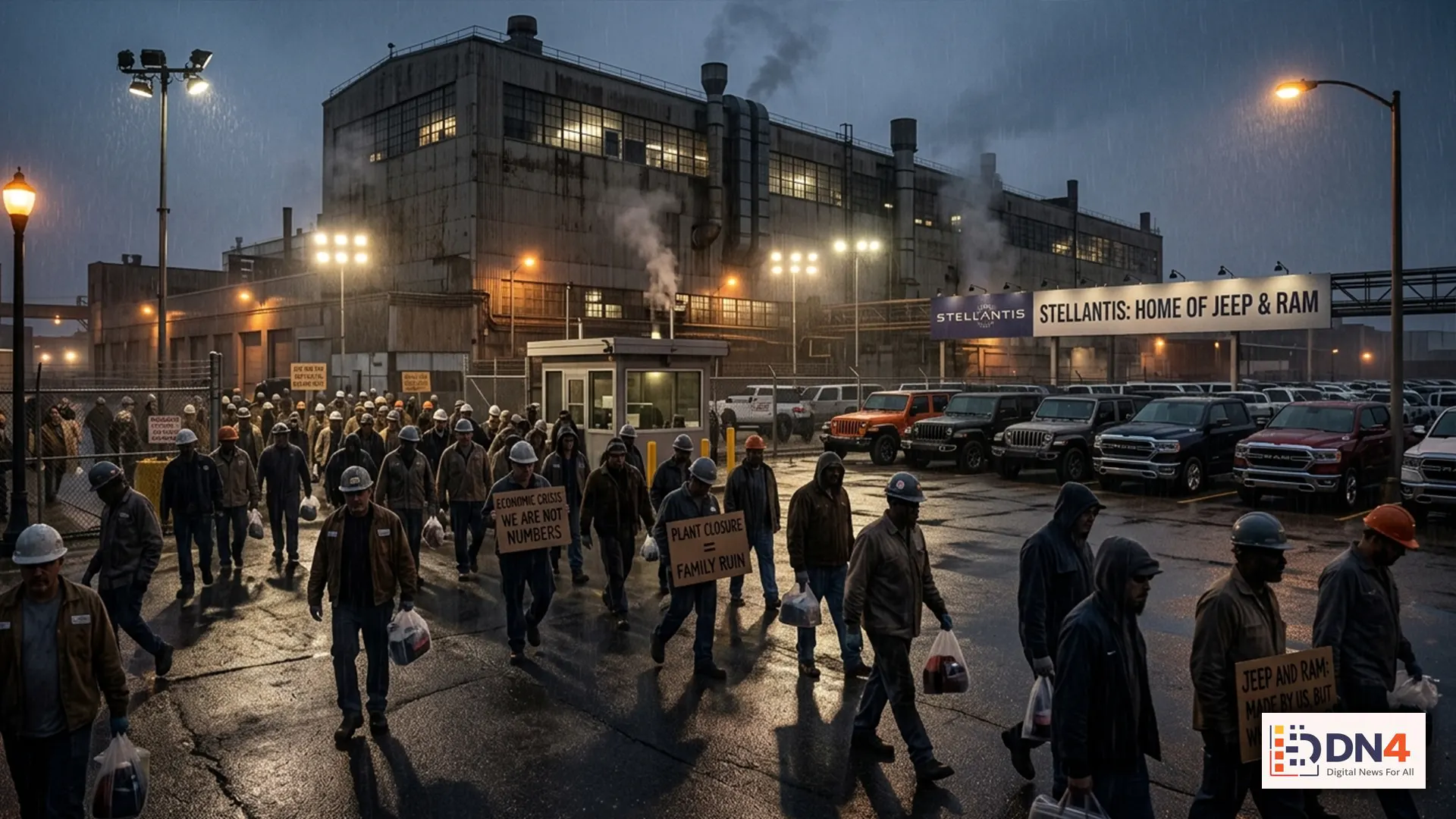
The global auto industry is once again under pressure as Stellantis announces layoffs of nearly 900 workers. The decision, driven largely by rising tariffs and shifting trade policies, is sending shockwaves across the sector—especially for fans of Jeep and Ram.
Why Stellantis Is Cutting Jobs
The layoffs are closely tied to increasing import and export tariffs affecting key automotive components. Trade tensions between major economies have pushed up production costs, forcing automakers to rethink their strategies.
According to industry analysts, tariffs on steel, batteries, and vehicle parts have significantly impacted manufacturing margins. Reports from Reuters Auto News highlight that automakers are facing some of the highest cost pressures in years.
For Stellantis, which operates globally across North America and Europe, these rising costs have made certain production lines unsustainable—leading to workforce reductions.
Impact on the 2026 Jeep Lineup
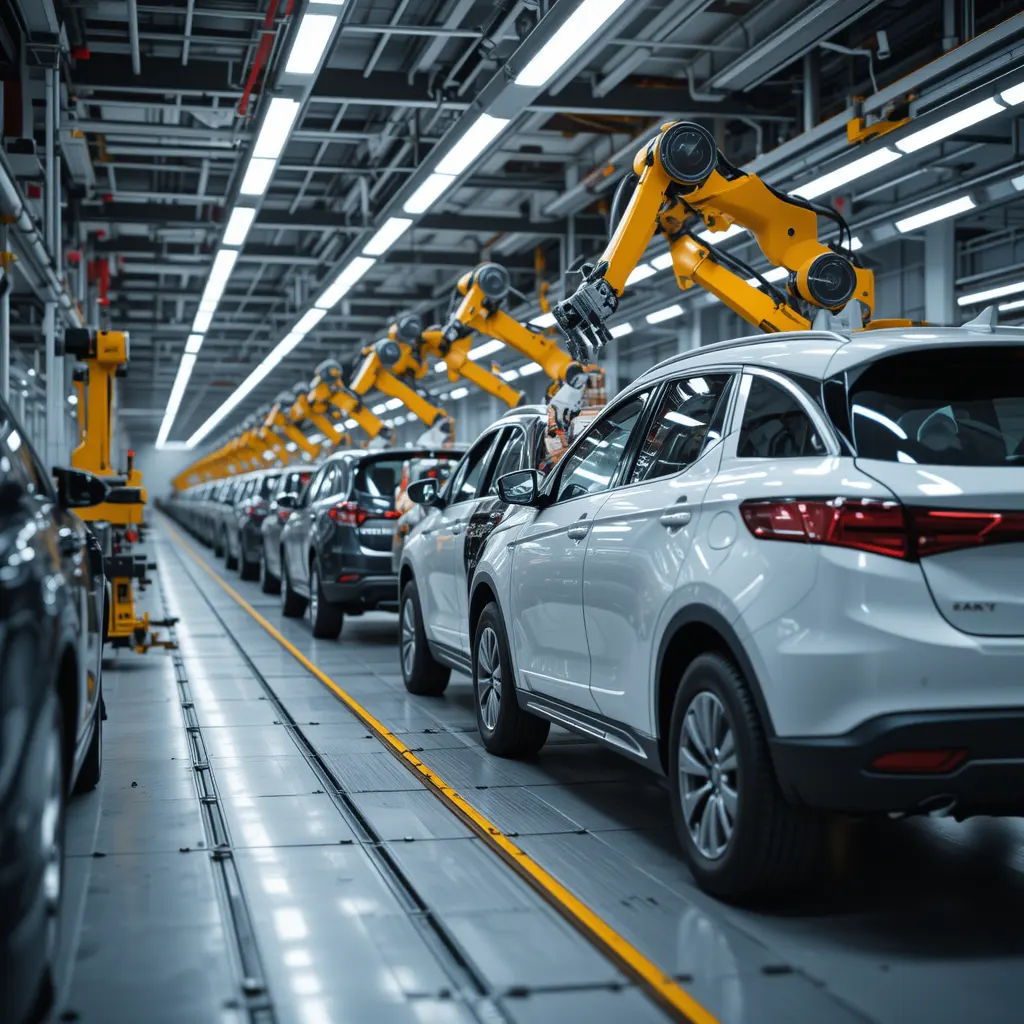
Jeep, one of Stellantis’ most iconic brands, could see notable changes in its 2026 lineup. Models like the Jeep Wrangler and Grand Cherokee may experience:
- Price Increases: Higher production costs could be passed on to consumers.
- Delayed Launches: Supply chain disruptions may slow down new model releases.
- Electrification Push: Jeep is likely to accelerate EV production to offset long-term tariff risks.
The company has already been investing heavily in electric SUVs, aligning with global trends toward sustainability and reduced dependency on imported fuel systems.
What It Means for Ram Trucks
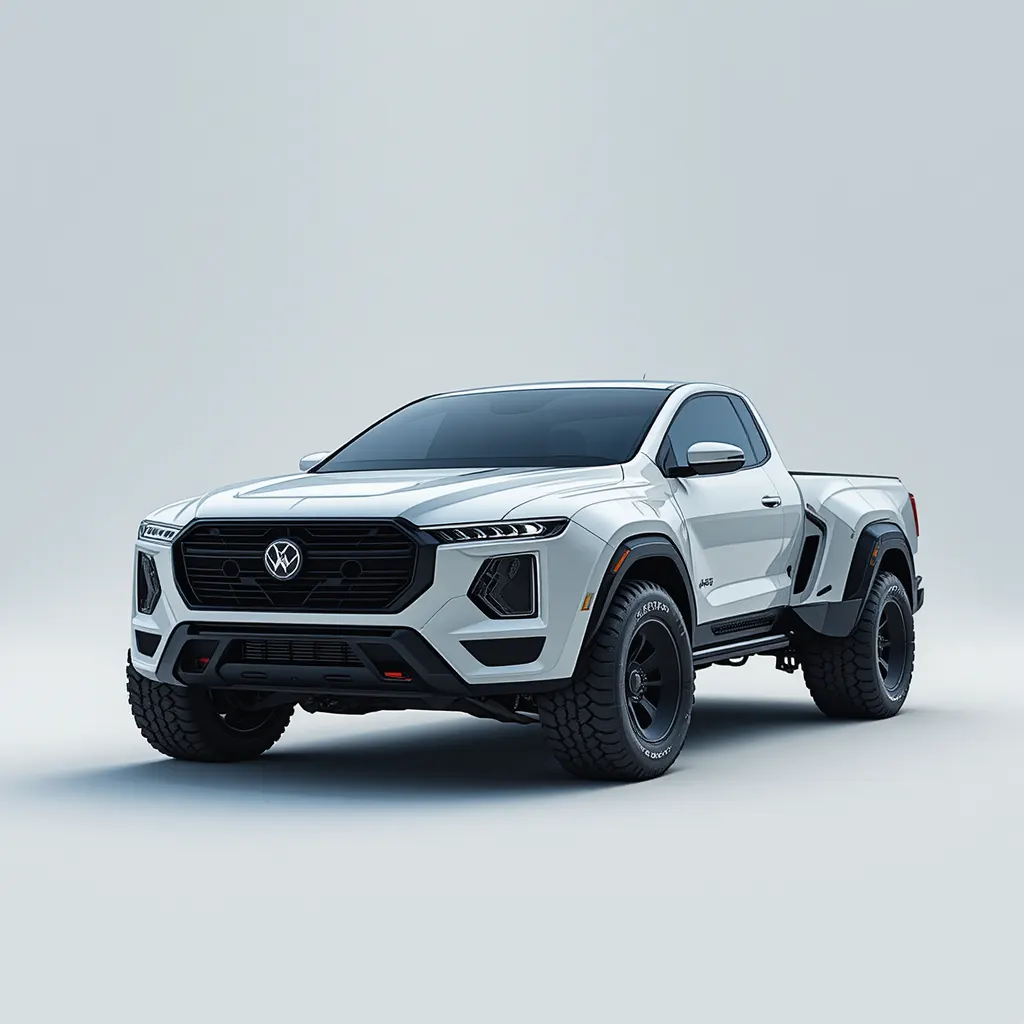
The Ram 1500, a top-selling pickup in North America, may also be affected. Potential changes include:
- Higher MSRP: Tariffs on raw materials like aluminum and steel could drive up prices.
- Production Shifts: Stellantis may move manufacturing to regions with lower tariff exposure.
- Hybrid & EV Options: Increased focus on electrified trucks to remain competitive.
Competitors like Ford and General Motors are also navigating similar challenges, making this a broader industry issue rather than a company-specific problem.
The Bigger Picture: Tariffs and the Auto Industry
Tariffs are reshaping the global automotive landscape. According to insights from the International Monetary Fund, trade restrictions can disrupt supply chains and increase consumer prices across industries.
Geopolitical risks now force automakers to balance cost efficiency with security concerns, leading to decisions like layoffs, factory relocations, and accelerated innovation in electric vehicles.
What Consumers Should Expect
For buyers, the impact will likely be محسوس at dealerships:
- Higher vehicle prices in 2026 models
- Longer waiting times for new releases
- Greater availability of hybrid and electric options
While these changes may seem challenging, they also signal a transformation toward a more sustainable and technologically advanced automotive future.
Stellantis’ decision to lay off 900 workers highlights the growing strain tariffs are placing on the global auto industry. For Jeep and Ram enthusiasts, the 2026 lineup may look different—not just in design, but in pricing and technology.
As trade policies continue to evolve, the industry’s ability to adapt will determine how smoothly it navigates this turbulent period.
#Stellantis #Jeep #RamTrucks #AutoIndustry #Layoffs #Tariffs #ElectricVehicles #CarNews #FutureCars