

 By Vinod Ram
In a historic policy shift, Japan’s Ministry of Defense has officially moved to relax its long-standing ban on exporting lethal weapons. This marks a dramatic turning point for a nation that has upheld pacifist principles since the aftermath of World War II.
The decision signals Japan’s intent to play a larger role in global security—and opens the door to a multi-billion-dollar defense export market.
Why Japan Is Changing Its Policy
For decades, Japan’s constitution—particularly Article 9—restricted the country from engaging in military exports. However, growing regional tensions and shifting geopolitical realities have forced a rethink.
Concerns over security threats in East Asia, particularly involving China and North Korea, have accelerated this transition. According to analysis from Center for Strategic and International Studies (CSIS), Japan is aligning more closely with Western defense strategies.
Which Countries Are First in Line?
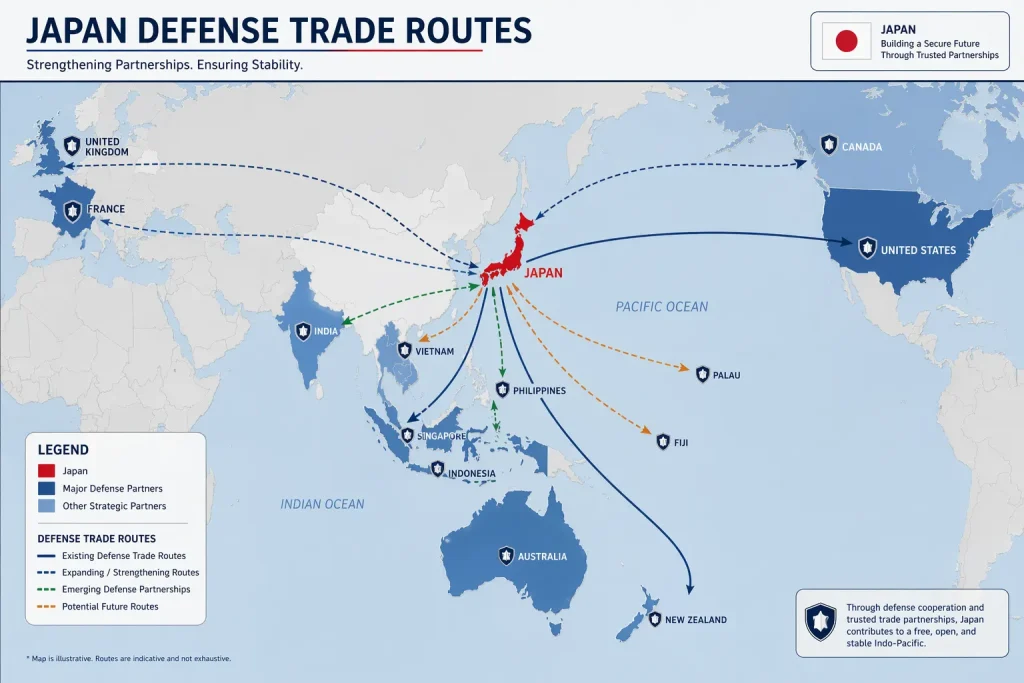
With restrictions easing, several countries are expected to become early buyers of Japanese defense technology:
- Australia: A key ally already collaborating with Japan on defense projects, particularly naval systems.
- United Kingdom: Joint development programs, including next-generation fighter jets, make the UK a natural partner.
- Philippines: Facing rising maritime tensions, the Philippines is likely to seek Japanese patrol vessels and surveillance systems.
- India: Strategic ties and shared concerns about regional security could drive defense cooperation.
Reports from Reuters Asia Pacific suggest that negotiations with several Southeast Asian nations are already underway.
What Japan Brings to the Table
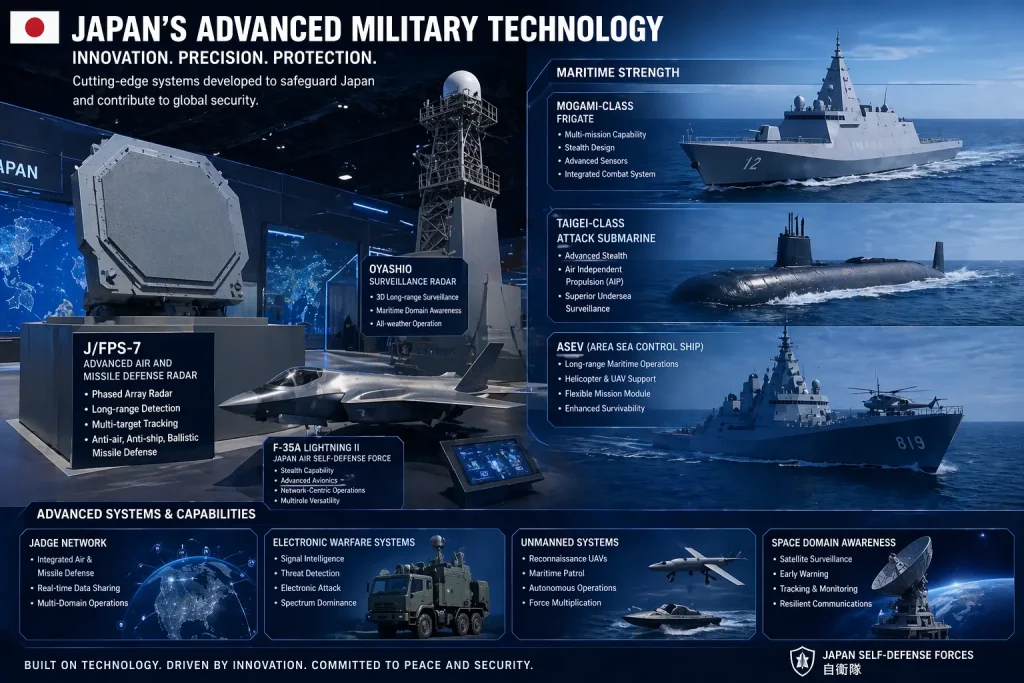
Japan’s defense industry is known for its advanced technology and precision engineering. Companies like Mitsubishi Electric and Kawasaki Heavy Industries are leaders in areas such as missile systems, radar technology, and naval equipment.
This expertise positions Japan as a high-value supplier in a global market dominated by the United States and Europe.
Impact on the Global Arms Market
The entry of Japan into the lethal arms export market could reshape global competition. According to insights from the Stockholm International Peace Research Institute (SIPRI), the global arms trade is already highly competitive—and Japan’s entry could drive both innovation and pricing shifts.
- Increased competition among defense exporters
- Potential reduction in costs for importing nations
- Stronger alliances between Japan and partner countries
Domestic Debate and Concerns
Not everyone in Japan supports the move. Critics argue that expanding arms exports could undermine the country’s pacifist identity and increase its involvement in global conflicts.
Public opinion remains divided, with some नागरिक groups urging caution while others see the policy as necessary for national security and economic growth.
The Bigger Strategic Shift
This policy change reflects a broader transformation in Japan’s role on the world stage. As global power dynamics evolve, Japan is positioning itself as a proactive security partner rather than a passive observer.
Collaboration with allies like the NATO alliance and participation in joint defense initiatives highlight this shift.
Japan’s decision to scrap its lethal arms export ban marks the end of an era—and the beginning of a new one. As countries line up to access its advanced defense technology, the global security landscape is set for significant change.
Whether this move strengthens stability or fuels further tensions will depend on how Japan navigates its newfound role as a defense exporter.
#JapanDefense #ArmsExport #GlobalSecurity #MilitaryNews #Geopolitics #DefenseIndustry #AsiaPacific #WorldNews #SecurityPolicy