

 By Vinod Ram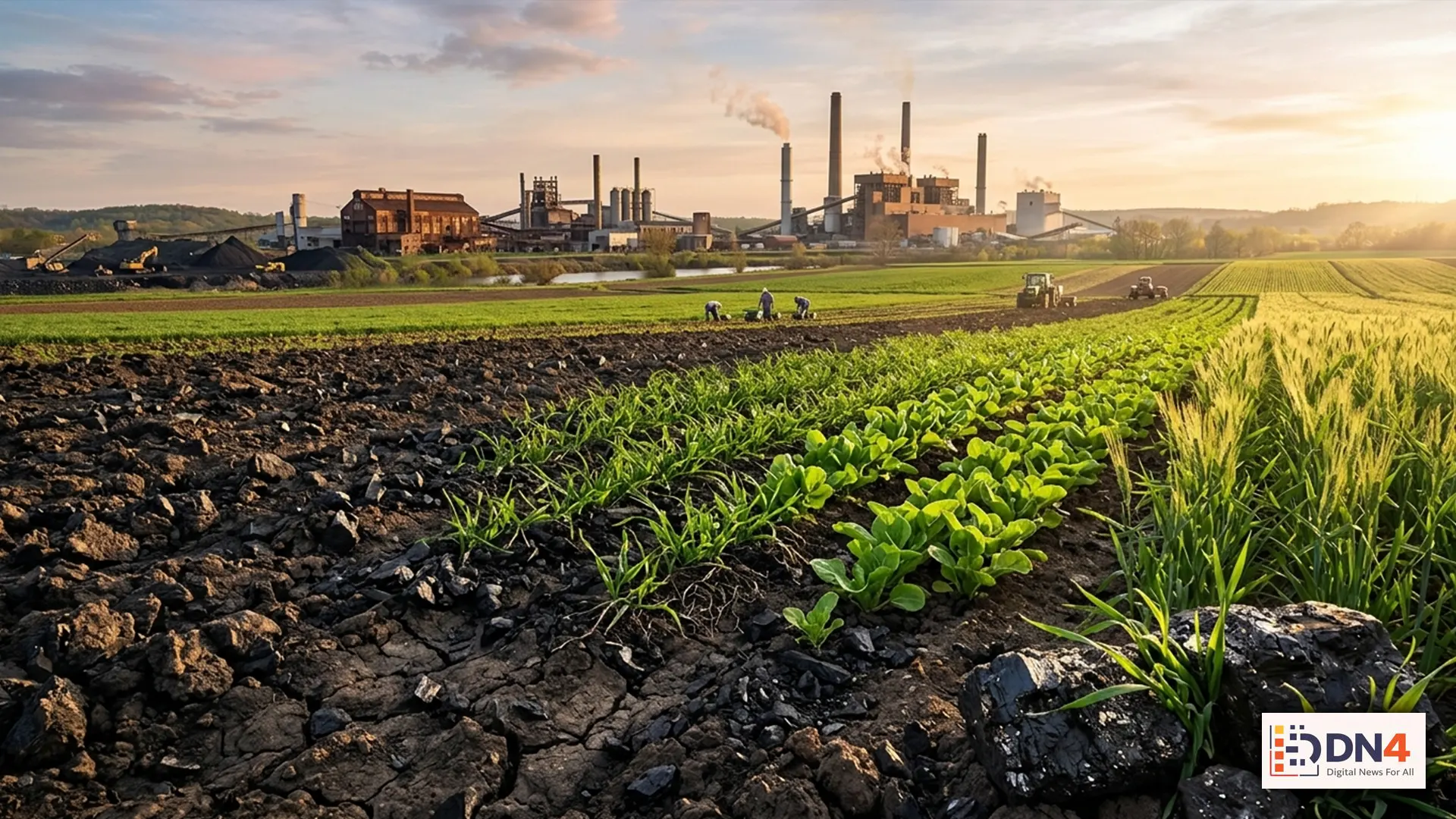
As global conflicts disrupt supply chains and threaten food production, China is turning to an unconventional resource to secure its agricultural future—coal. Dubbed “black gold,” coal is now playing a critical role in producing urea fertilizer, helping sustain crop yields during one of the most volatile periods in recent history.
Why Fertilizer Has Become a Global Crisis
Fertilizers, especially nitrogen-based ones like urea, are essential for modern agriculture. However, geopolitical tensions and energy shortages have disrupted supplies worldwide. According to reports from Food and Agriculture Organization (FAO), fertilizer prices have surged due to limited exports and rising natural gas costs.
Countries heavily dependent on imported fertilizers are facing severe challenges, raising concerns about global food security.

China’s Coal-to-Urea Strategy
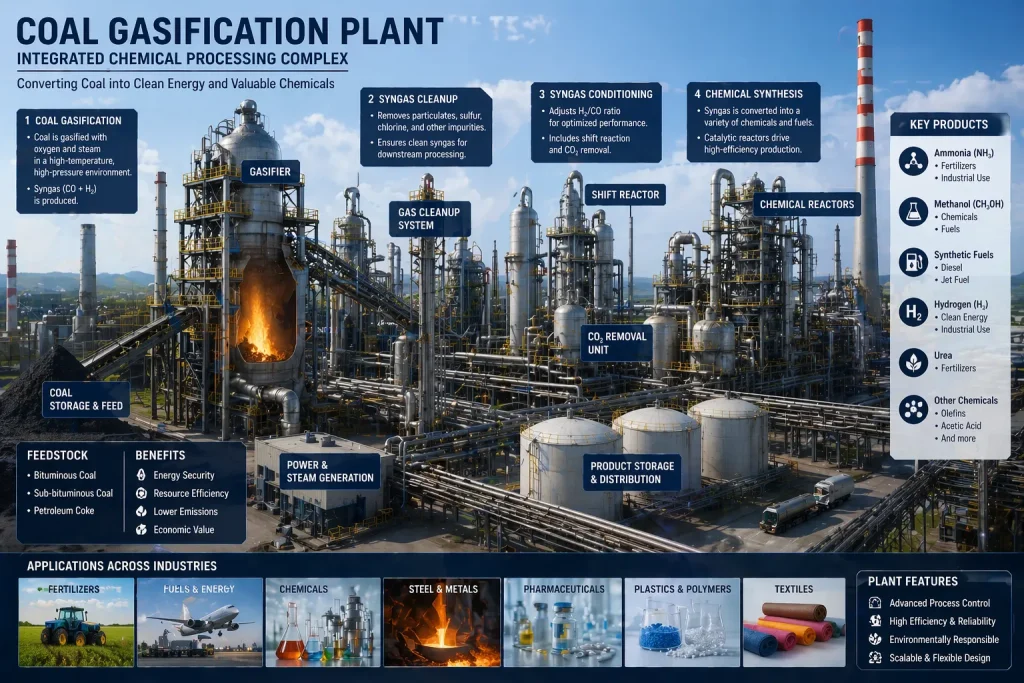
Unlike many nations that rely on natural gas to produce ammonia—the key ingredient in urea—China has leveraged its vast coal reserves. Using advanced coal gasification technology, the country converts coal into synthetic gas, which is then used to produce ammonia and ultimately urea.
This process is supported by major state-backed enterprises and research institutions, with insights shared by organizations like the International Energy Agency.
Why Coal-Based Urea Matters
- Energy Independence: Reduces reliance on imported natural gas
- Stable Supply: Ensures consistent fertilizer production
- Food Security: Supports domestic agriculture during global shortages
In a time when supply chains are increasingly fragile, this strategy gives China a significant advantage in maintaining agricultural output.
The Environmental Trade-Off
While effective, coal-based urea production comes with environmental concerns. Coal is a carbon-intensive resource, and its use in fertilizer production contributes to greenhouse gas emissions.
Experts from United Nations Environment Programme warn that balancing food security with climate goals will be a major challenge for policymakers.
Global Implications
China’s approach could influence other nations facing similar challenges. Countries with abundant coal reserves may consider adopting similar technologies to reduce dependence on volatile energy markets.
However, this shift could also reshape global energy and fertilizer markets, impacting prices and trade dynamics.
Impact on Farmers and Consumers
For farmers, stable fertilizer supplies mean more predictable crop yields and reduced risk. For consumers, it could translate into more stable food prices—an important factor during times of economic uncertainty.
Insights from World Bank data suggest that fertilizer availability is directly linked to food affordability worldwide.
The Future of Fertilizer Production
China’s coal-based urea strategy highlights the need for innovation in agriculture and energy. While not without drawbacks, it demonstrates how nations can adapt to global disruptions using available resources.
Looking ahead, the challenge will be to develop cleaner alternatives that maintain productivity without compromising environmental sustainability.
China’s “black gold” breakthrough is more than just a technological solution—it’s a strategic move in a world where food and energy security are increasingly intertwined.
As global conflicts continue to reshape supply chains, innovations like coal-based urea may play a crucial role in feeding populations and stabilizing economies.
#China #FertilizerCrisis #FoodSecurity #Agriculture #EnergyCrisis #Urea #GlobalEconomy #Farming #Innovation