

 By Vinod Ram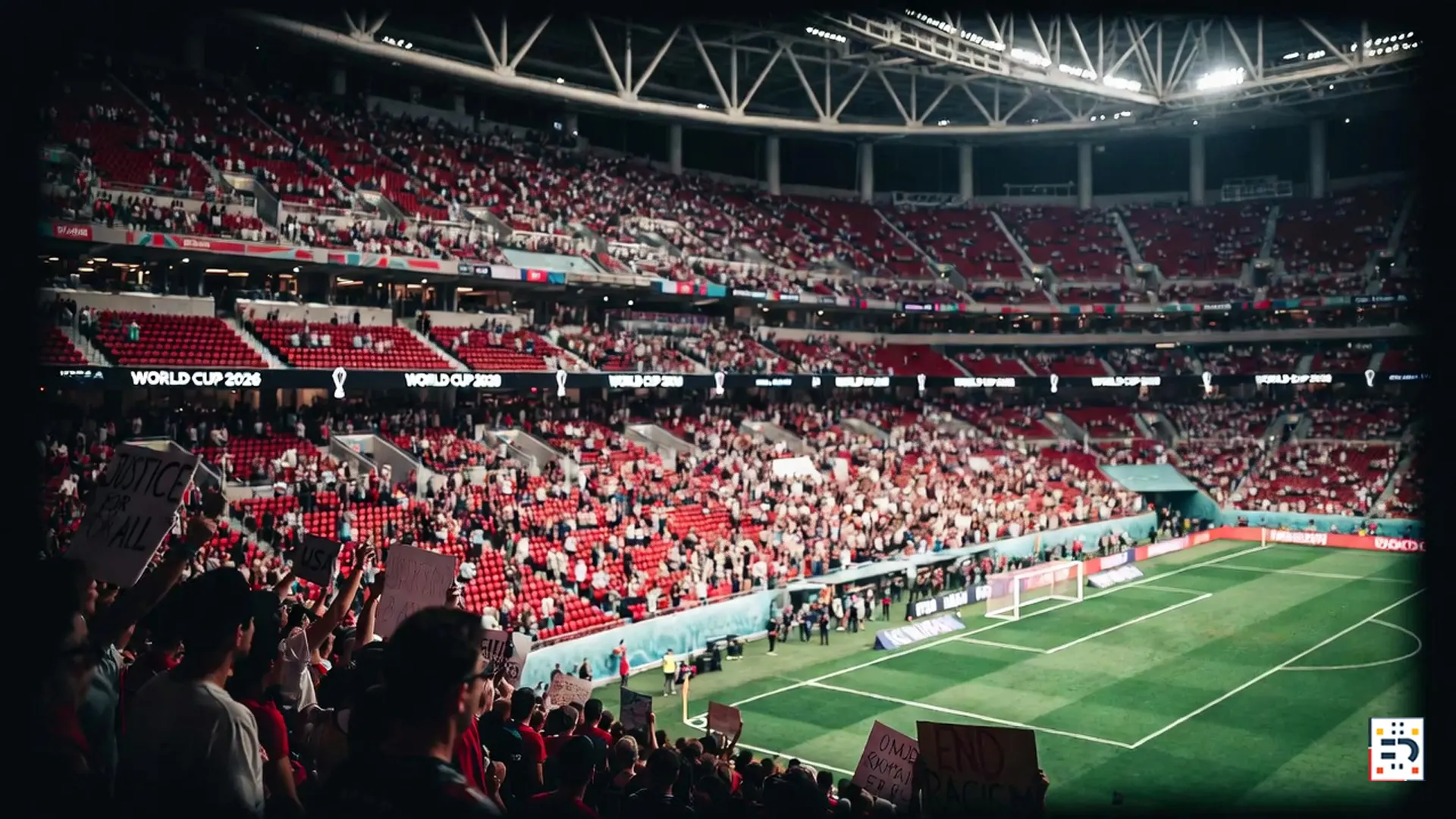
With the FIFA World Cup 2026 set to take place across the United States, Canada, and Mexico, political tensions are increasingly intersecting with global sports. In recent weeks, online discussions about a potential boycott—often framed around a so-called “Stop Trump” movement—have surged across US media and social platforms.
While no official boycott has been announced, the debate highlights how international sporting events are becoming flashpoints for political expression.
What Is Driving the World Cup 2026 Boycott Conversation?
The conversation centers on concerns about US domestic politics and leadership, amplified by activist hashtags and opinion pieces circulating online. Coverage from The New York Times notes that global tournaments increasingly attract scrutiny beyond the pitch.
Critics argue that hosting decisions can symbolize broader political values, while others insist the World Cup should remain separate from national politics.
FIFA’s Position on Politics and the World Cup
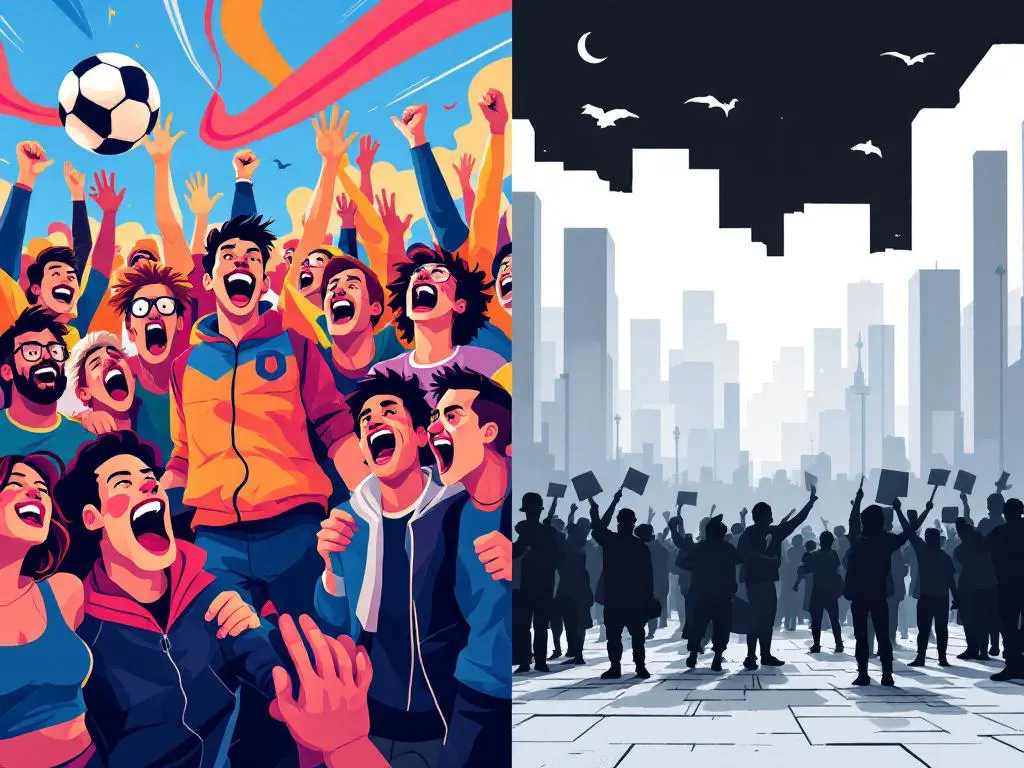
FIFA has consistently maintained that football should remain politically neutral. Official regulations prohibit political messaging within stadiums and official events.
However, as past tournaments have shown, enforcing neutrality becomes difficult when host nations are at the center of international controversy.
Why Some Activists Say the Movement Is Gaining Steam
Supporters of the boycott narrative point to rising online engagement, viral opinion videos, and calls for symbolic protests during matches. Analysts cited by The Guardian suggest that social media has lowered the barrier for global protest coordination.
For these voices, the World Cup’s visibility makes it an appealing platform for political messaging.
Why the Momentum May Be Fading
At the same time, there are clear signs the boycott idea faces limits. Major sponsors, broadcasters, and national teams continue preparations as scheduled, indicating little institutional appetite for disruption.
According to reporting from ESPN , fan interest and ticket demand remain strong, particularly for matches hosted in US cities.
The Business Reality of World Cup 2026
Economically, the tournament represents one of the largest sporting events ever hosted in North America. Estimates highlighted by Forbes suggest billions in tourism, sponsorship, and media revenue.
This financial scale makes a widespread boycott difficult to sustain, especially without backing from teams or governing bodies.
Fans Caught in the Middle
For many supporters, the debate feels disconnected from the game itself. Football fans across the US, Mexico, and Canada are primarily focused on match schedules, host cities, and national team performance.
Travel and host-city guides from Lonely Planet continue to attract heavy traffic, signaling excitement rather than resistance.
What History Tells Us About Sports Boycotts
Sports boycotts have occurred before, but historians note that their long-term impact varies widely. Without broad international coordination, most remain symbolic rather than transformative.
In the case of World Cup 2026, no national federation has indicated plans to withdraw or protest formally.
The World Cup 2026 boycott rumors reflect a broader reality: global sports no longer exist in a political vacuum. Yet, as of now, the movement appears fragmented—loud online, but limited in institutional support.
Whether the debate grows or fades, the tournament itself is moving forward, and the world’s attention will ultimately return to the pitch.
#WorldCup2026 #FIFAWC #SportsAndPolitics #WorldCupDebate #GlobalFootball #USSoccer