

 By Vinod Ram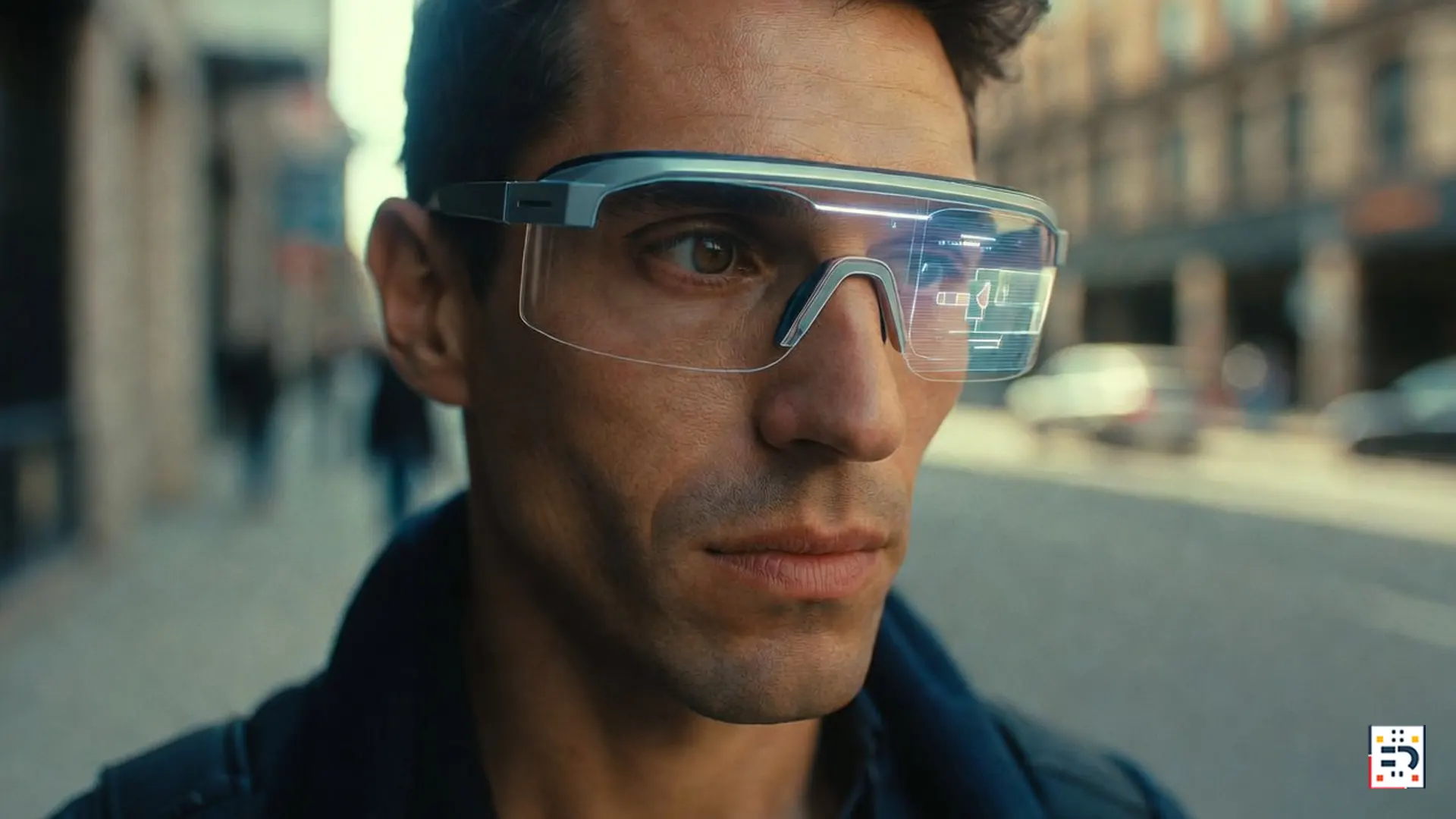
For years, augmented reality was trapped inside bulky headsets that looked impressive but felt impractical for daily life. In 2026, that’s finally changing. Search interest is rapidly shifting toward smart glasses— wearable devices that look like normal eyewear but quietly outperform your smartphone.
From Smart glasses 2026 trend forecasts to real-world adoption, this new generation of wearables is reshaping how we work, communicate, and monitor our health.
Why Smart Glasses Are Taking Over from Headsets
Early AR headsets promised immersion but delivered discomfort. Smart glasses solve that problem by embedding AR into familiar form factors— lightweight frames, subtle displays, and voice-based controls.
According to analysis from The Verge , consumer adoption accelerated once AR devices stopped looking like sci-fi helmets and started resembling everyday glasses.

Ray-Ban Meta Updates Signal a Turning Point
No product has done more to normalize smart glasses than recent Ray-Ban Meta updates. By combining iconic eyewear design with AI-powered features, Meta positioned smart glasses as lifestyle accessories—not gadgets.
Official announcements on Meta’s platform highlight hands-free photo capture, real-time AI assistance, and seamless integration with messaging and navigation.
AR for Work: Productivity Without Screens
One of the fastest-growing use cases is AR for work. Smart glasses are quietly replacing smartphones in professional environments where constant screen-checking disrupts focus.
Use cases already gaining traction include:
- Live meeting notes and real-time translations
- Hands-free navigation for field workers
- AR overlays for design, engineering, and remote assistance
Enterprise adoption reports from Forbes suggest smart glasses reduce task-switching and improve workflow efficiency.
Wearable Tech Health Moves Front and Center
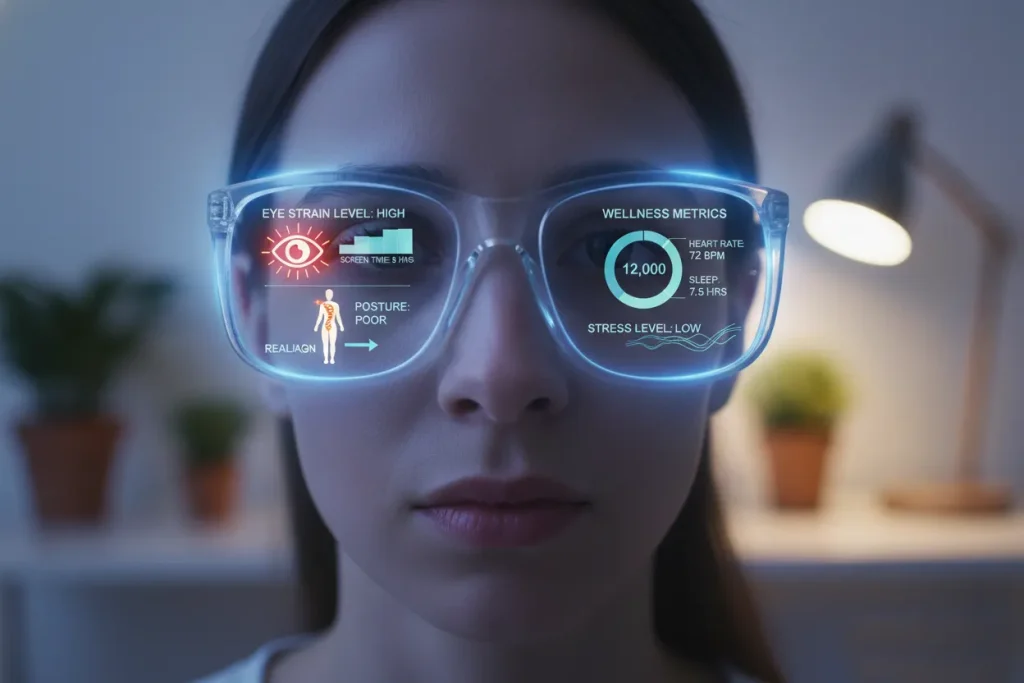
Beyond productivity, wearable tech health is becoming a major selling point. Smart glasses now integrate posture correction, eye strain monitoring, stress indicators, and even early fatigue detection.
Unlike phones or watches, glasses sit at eye level— making them ideal for subtle health nudges without constant notifications. Health researchers featured by Healthline note that passive wearables significantly improve long-term adherence.
Why 2026 Is the Smartphone Replacement Moment
Several trends are converging to make 2026 the tipping point:
- AI assistants optimized for voice and visual input
- All-day battery life and cloud-based processing
- Social acceptance of camera-enabled eyewear
- Growing fatigue with constant phone usage
Instead of pulling a phone from your pocket, information now appears exactly when and where you need it— quietly, contextually, and hands-free.
What This Means for Daily Life
Smart glasses won’t eliminate smartphones overnight, but they are already absorbing core functions: navigation, communication, reminders, and health tracking.
As devices fade into the background, technology finally feels less distracting—and more human.
The shift from headsets to smart glasses marks a fundamental change in how we interact with technology. In 2026, the most powerful computer you own may not be in your pocket— it may be sitting on your face.
#SmartGlasses2026 #ARForWork #RayBanMeta #WearableTechHealth #FutureOfTech #AugmentedReality #WearableTechnology