

 By Vinod Ram
A critical student loan deadline quietly passed in late January to early February, and now millions of borrowers are asking the same urgent question: “Am I eligible for a refund?”
Searches for student loan refund 2026 and automatic debt discharge have surged as borrowers scramble to understand what the missed deadline means— and whether relief is already on the way.
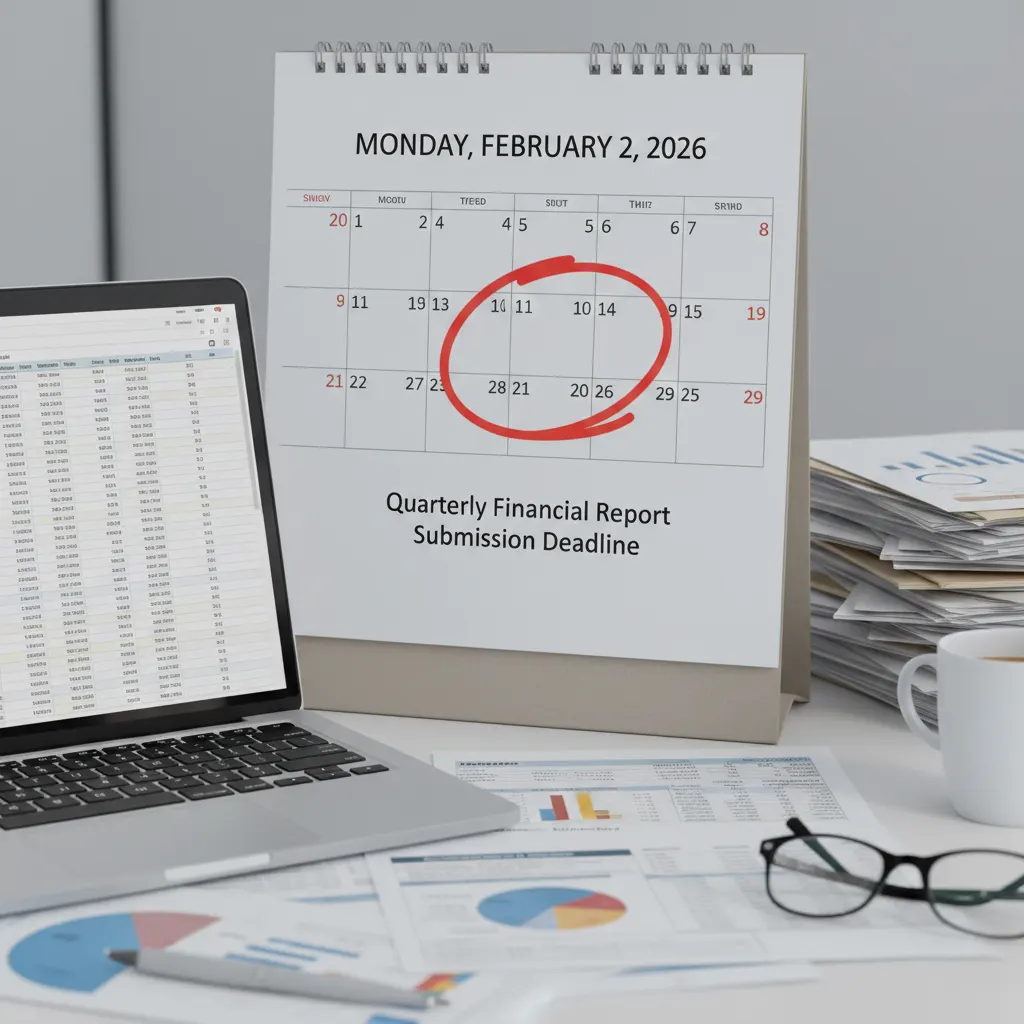
What Deadline Just Passed—and Why It Matters
The recently passed deadline applied to borrowers covered under specific federal relief and settlement programs administered by the U.S. Department of Education. Missing it does not automatically disqualify everyone—but it does change how relief is applied.
According to guidance published on StudentAid.gov , some borrowers now qualify for automatic debt discharge, meaning no additional application is required.
Who May Qualify for Automatic Debt Discharge
Roughly 200,000 borrowers are expected to receive relief automatically. Eligibility typically applies to those who meet one or more of the following criteria:
- Borrowers covered under borrower defense or institutional misconduct rulings
- Loans tied to schools that closed or were found to have misled students
- Borrowers already identified in Department of Education data reviews
In these cases, the government initiates forgiveness and potential refunds without requiring borrower action.
Student Loan Refund 2026: What a Refund Actually Means
A refund does not apply to everyone receiving forgiveness. However, borrowers who previously made payments on loans that are now discharged may be eligible to receive money back.
As explained in coverage by Reuters , refunds usually apply to payments made after a qualifying event, such as a school closure determination or fraud ruling.
“Key Deadline Passed” — Should You Still Take Action?
Even though the key deadline passed, borrowers should still:
- Log in to their federal student aid account
- Verify contact and banking information
- Monitor official notices from loan servicers
The Department of Education has stated that eligible borrowers will be notified directly, but outdated contact details can delay refunds.
Why Searches Are Spiking Right Now
The surge in searches reflects a broader problem: student loan policy changes often happen quietly, leaving borrowers confused after deadlines pass.
Financial aid experts cited by CNBC note that automatic programs are designed to reduce paperwork— but they also reduce visibility, fueling anxiety and misinformation.
What Happens Next for Borrowers in 2026
More automatic reviews and data-driven discharges are expected throughout 2026, particularly as federal agencies modernize borrower records and repayment systems.
For borrowers, the key takeaway is simple: even if you missed the deadline, you may already be included. Staying informed is now more important than submitting last-minute applications.
If you’re seeing headlines about refunds and wondering whether you’re one of the 200,000, the answer depends on your loan history—not how fast you react.
The deadline passed, but for many borrowers, relief is just beginning.
#StudentLoanRefund2026 #AutomaticDebtDischarge #StudentLoanRelief #FederalStudentAid #LoanForgiveness #EducationFinance #DebtRelief