

 By Vinod Ram
Hollywood has fought many existential battles before—from piracy to streaming wars—but none as personal as this one. In 2026, actors are racing to legally protect the one thing studios and AI models want most: their faces, voices, and identities.
A massive spike in searches around AI likeness rights reveals growing public awareness that performers are no longer just competing with other humans—but with their own digital replicas.
The Rise of the Digital Twin Crisis
Advances in generative AI now allow studios to recreate actors’ faces, voices, and performances without requiring their physical presence. This has triggered an industry-wide reckoning over who owns a human likeness.
Legal scholars cited by Reuters warn that without clear protections, performers risk losing control of their identities forever.
Why AI Likeness Rights Became a Breakout Issue
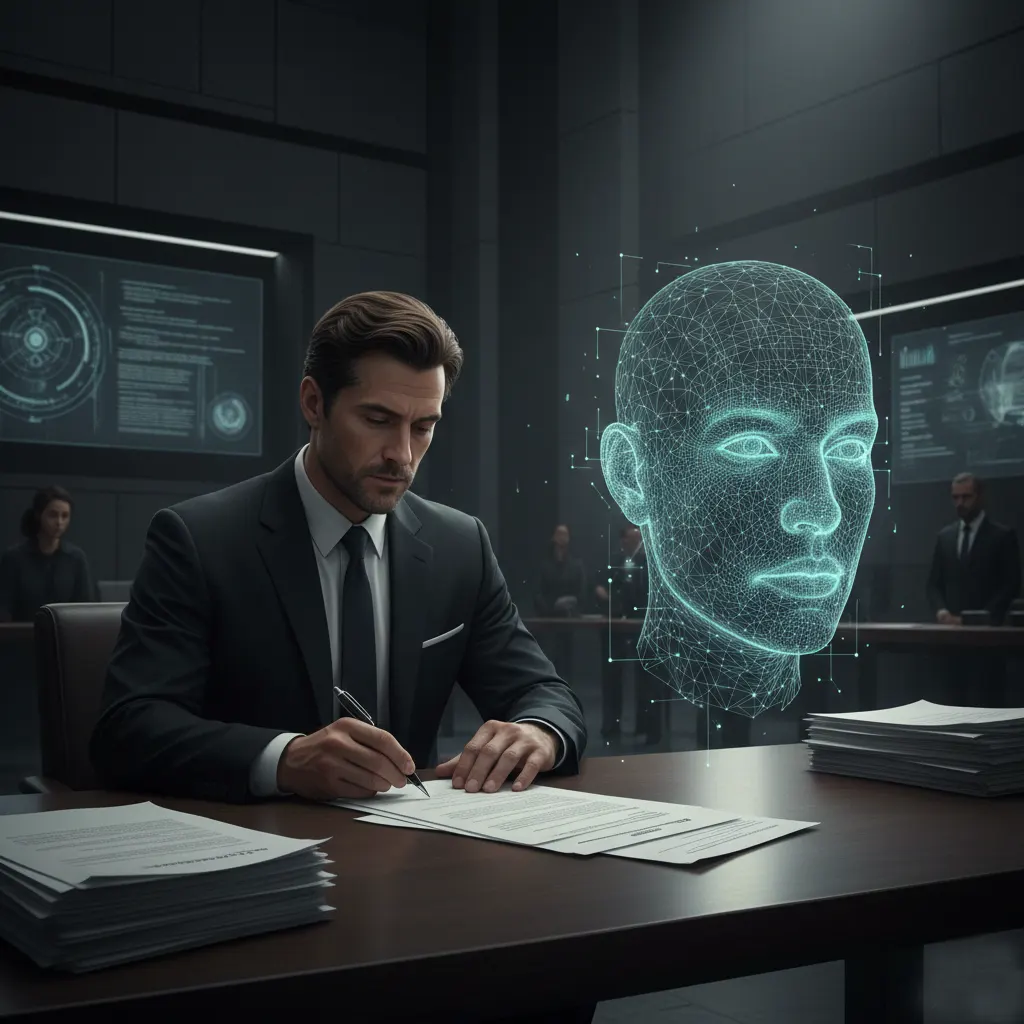
The issue exploded after several high-profile disputes revealed that studios were scanning actors’ faces once and reusing them indefinitely—sometimes even after death.
This has led to a new legal strategy: performers are now proactively copyrighting their own digital likenesses, effectively turning their faces into protected intellectual property. According to The Verge , this trend could permanently reshape entertainment contracts.
Melania Movie Reviews and the Deepfake Anxiety
Even prestige film discussions haven’t escaped the AI debate. Recent Melania movie reviews sparked online controversy when viewers questioned whether certain scenes used digital enhancement or AI-assisted performances.
While studios deny misuse, the skepticism highlights a growing distrust among audiences— one fueled by increasingly realistic deepfake technology and opaque production pipelines.
K-Pop Demon Hunters and Virtual Performers
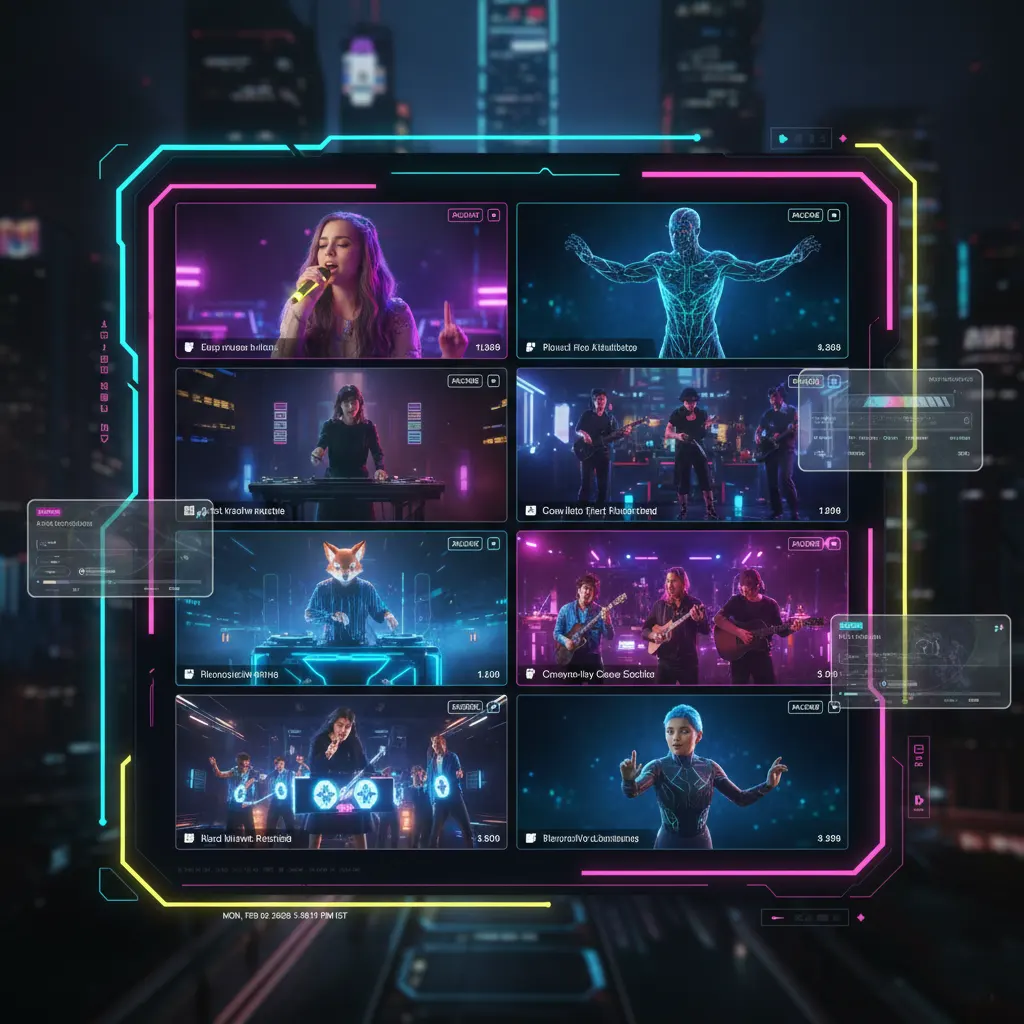
The issue isn’t confined to Hollywood. In Asia, experimental projects like K-Pop demon hunters—a genre blending virtual idols, animation, and AI choreography—are redefining what it means to be a “performer.”
Industry analysts at Billboard note that while fans embrace virtual talent, real artists fear being replaced by infinitely scalable avatars.
New Netflix Releases February and the AI Question
Even mainstream streaming is now part of the debate. As audiences browse new Netflix releases February, questions linger about how much AI is involved behind the scenes—from de-aging actors to generating background performances.
Netflix itself has acknowledged experimenting with AI-assisted workflows, according to official company statements , though it claims human creativity remains central.
Why 2026 Is the Turning Point
Several forces are converging to make 2026 a decisive year:
- AI models capable of near-perfect human replication
- Union pressure following high-profile strikes
- Growing consumer distrust of synthetic performances
- New legislation targeting digital identity rights
Actors are no longer waiting for studios or governments to act. By copyrighting their own faces, they are asserting ownership in an era where identity itself has become data.
The Future of Performance and Identity
The battle over AI likeness rights isn’t just about contracts—it’s about the soul of storytelling. If technology can endlessly replicate, alter, or generate performances without consent, authenticity becomes a legal question rather than an artistic one.
In 2026, Hollywood isn’t just protecting jobs. It’s fighting to preserve the human element at the heart of cinema.
#AILikenessRights #DigitalTwins #Hollywood2026 #AIinEntertainment #MelaniaMovieReviews #KPopDemonHunters #NetflixReleases #FutureOfFilm