

 By Vinod Ram
For years, AI assistants have followed instructions. In 2026, many of them will start making decisions. The next evolution of artificial intelligence—known as agentic AI—promises systems that can plan, execute, and adapt tasks independently, with minimal human input.
This shift marks a fundamental change in how humans interact with technology. Instead of tools that respond, we’re entering an era of digital agents that act.
What Is Agentic AI?
Agentic AI refers to artificial intelligence systems designed to operate autonomously toward specific goals. Unlike traditional AI assistants that wait for prompts, agentic systems can:
- Break goals into multi-step plans
- Decide which tools or data to use
- Execute actions without constant supervision
- Adapt based on outcomes and feedback
Research organizations such as IBM Research describe agentic AI as a convergence of reasoning models, memory, tool use, and reinforcement learning.
Why 2026 Is the Tipping Point
Agentic AI isn’t new—but 2026 is expected to be the year it becomes mainstream.
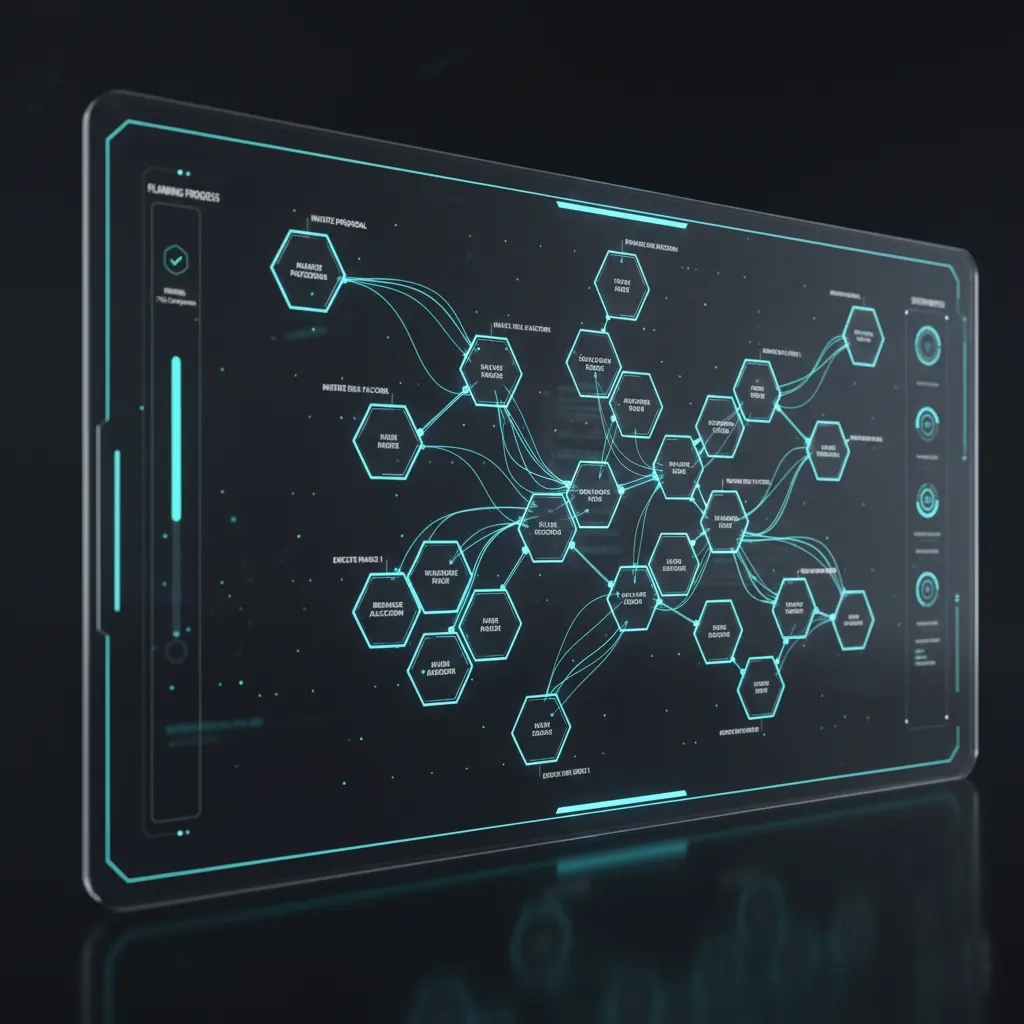
According to analysis from Forbes AI and McKinsey Digital, several forces are converging:
- More powerful reasoning-focused large language models
- Lower compute costs for continuous AI operation
- Enterprise demand for automation beyond chatbots
- Improved safety and guardrail frameworks
Together, these changes make autonomous AI assistants viable at scale.
From Assistants to Digital Employees
Today’s AI assistants help draft emails or answer questions. Tomorrow’s agentic systems will own workflows.
As outlined by Business Insider, agentic AI is already being tested to:
- Manage calendars and schedules proactively
- Monitor inboxes and respond to routine emails
- Run market research and generate reports
- Coordinate software deployments
In enterprise settings, this effectively turns AI into a junior digital employee—working 24/7.
The Role of Memory, Tools, and Planning
What separates agentic AI from earlier assistants is its ability to combine three core capabilities:
1. Long-Term Memory
Agentic systems can retain preferences, project context, and historical outcomes—allowing them to improve over time.
2. Tool Use
They can interact with APIs, software platforms, databases, and even other AI systems without human mediation.
3. Planning and Reasoning
Advances highlighted by Nature AI Research show how models can plan sequences of actions and revise strategies dynamically.
Where Agentic AI Will Appear First
Not every industry will adopt agentic AI at the same pace. Early adoption is expected in:
- Software development: autonomous code testing and deployment
- Finance: portfolio monitoring and compliance checks
- Customer support: end-to-end case resolution
- Operations: supply chain and logistics optimization
According to forecasts from Statista Technology Insights, enterprise AI spending is shifting rapidly from assistive tools to autonomous systems.
The Risks: Control, Trust, and Accountability
With autonomy comes risk.
Experts cited by Reuters Technology warn that agentic AI raises serious questions:
- Who is accountable for AI-made decisions?
- How do we prevent unintended actions?
- Where should human override remain mandatory?
This is why most 2026 deployments will feature human-in-the-loop controls, audit logs, and strict permission boundaries.

What This Means for Everyday Users
For consumers, agentic AI will feel less like using software and more like delegating responsibility.
Your AI assistant won’t just remind you to book travel—it may:
- Compare prices
- Choose optimal dates
- Book tickets
- Update your calendar automatically
As noted by The Verge, this shift will redefine expectations around productivity tools.
Is the World Ready for Autonomous Assistants?
Technologically, the answer is increasingly yes.
Culturally and legally, the answer is more complicated.
2026 will likely be a transition year—where agentic AI becomes common, but trust is still earned slowly through transparency, reliability, and regulation.
Agentic AI represents the most important shift in artificial intelligence since the rise of large language models. By 2026, your assistant won’t just help—it will act.
The challenge ahead isn’t whether AI can operate autonomously, but how humans choose to design, govern, and trust these new digital agents.
#AgenticAI #ArtificialIntelligence #AIAgents #Automation #FutureOfWork #TechTrends