

 By Vinod Ram
Film: Avatar: Fire and Ash (Avatar 3)
Director: James Cameron
Status: Ending analysis & fan theory (spoilers discussed)
James Cameron’s Avatar: Fire and Ash takes the franchise into darker, more spiritual territory—and its ending has already sparked intense debate among fans. The final moments don’t just raise emotional stakes; they challenge what we think we know about Eywa, the living consciousness of Pandora itself.
The biggest question emerging from the ending is this: Is [SPOILER] actually a physical incarnation of Eywa? Let’s break down what the ending shows, what it implies, and why this theory may fundamentally reshape the Avatar universe.
⚠️ Spoiler Warning
Major spoilers for Avatar: Fire and Ash follow below. If you haven’t seen the film, proceed with caution.
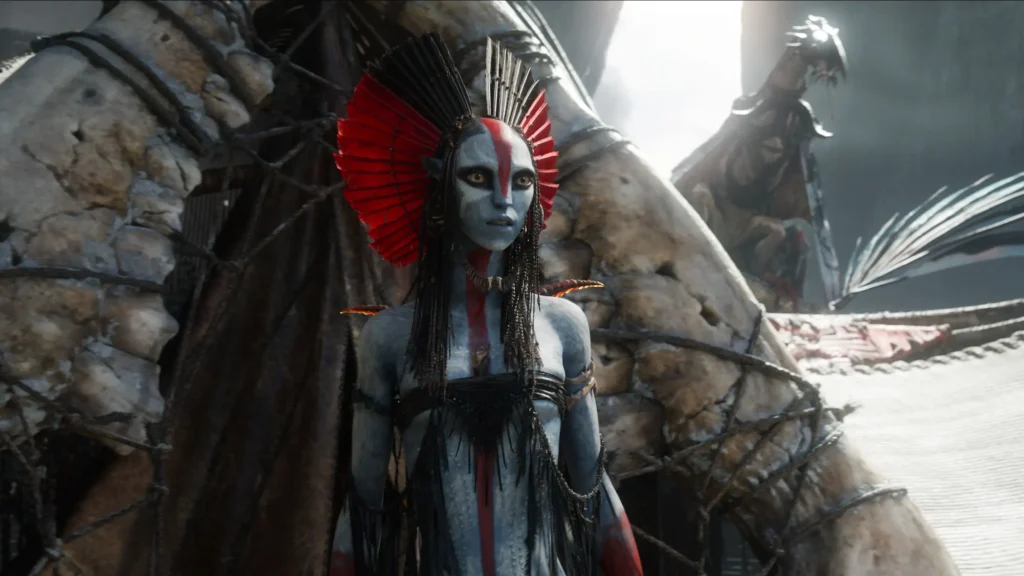
What Happens at the End of Avatar: Fire and Ash?
The film’s final act centers on the volcanic Ash Clan and their violent separation from Pandora’s natural balance. As conflict escalates, [SPOILER] emerges during the climactic confrontation—surviving events that should be biologically impossible for any Na’vi.
In the closing scene, [SPOILER] interfaces with Pandora’s neural network without the use of a spirit tree, triggering a planetary response that halts the destruction almost instantly. The moment mirrors—but also surpasses—previous connections seen in Avatar (2009) and The Way of Water.
The Case for [SPOILER] Being an Incarnation of Eywa
1. Direct Control Without Mediation
Throughout the franchise, Eywa’s influence has always been indirect—working through the Tree of Souls, spirit trees, or mass biological response. In Fire and Ash, [SPOILER] appears to bypass these systems entirely.
This suggests not communion with Eywa, but embodiment.
2. The “Chosen Vessel” Imagery
Visually, Cameron reinforces this idea through deliberate symbolism: glowing neural patterns, slowed time, and a silence reminiscent of Eywa’s interventions in earlier films—but far more intimate and focused.
Film analysts have noted Cameron’s increasing interest in pantheistic storytelling, where gods are not distant beings, but living expressions of nature.
3. Eywa’s Evolution as a Defense Mechanism
With humans escalating extraction and warfare, it’s plausible that Eywa has evolved. Rather than acting as a passive planetary intelligence, Eywa may now require a mobile, sentient form to intervene directly.
[SPOILER] fits that role perfectly.
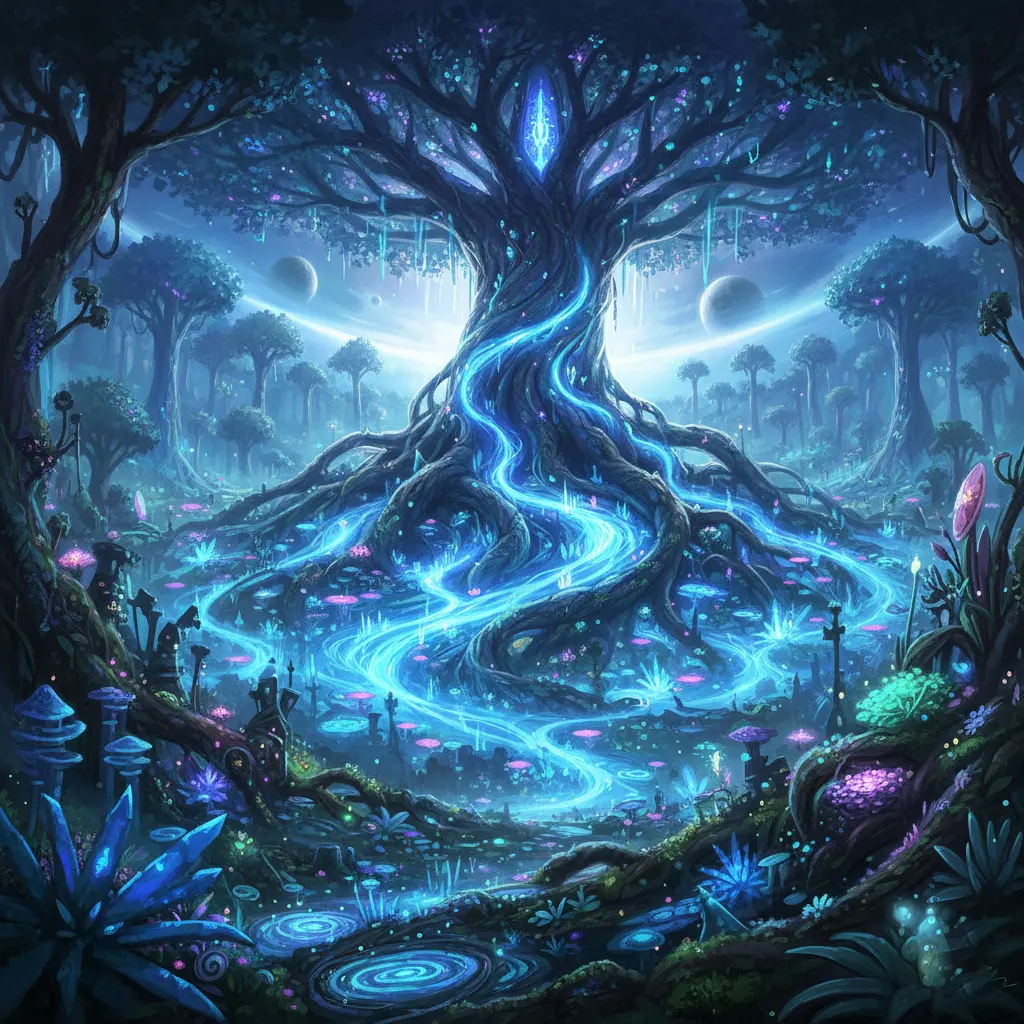
What This Means for the Avatar Saga
If [SPOILER] truly is an incarnation of Eywa, the implications are massive:
- Eywa is no longer just a background force—it’s a character
- The Na’vi may face moral conflict between free will and divine guidance
- Future films could explore the cost of embodiment for a planetary consciousness
James Cameron has previously stated that later Avatar films will become “progressively more challenging” thematically. Turning Eywa into a living presence would align perfectly with that promise.
Alternative Theory: A Conduit, Not an Incarnation
Some fans argue that [SPOILER] is not Eywa itself, but a permanent conduit—a bridge between consciousness and biology. This interpretation preserves Eywa’s mystery while still explaining the unprecedented power.
The ambiguity may be intentional. Cameron has a long history of planting ideas that only fully pay off films later
So, is [SPOILER] actually an incarnation of Eywa?
The ending of Avatar: Fire and Ash stops short of confirming it outright—but the visual language, narrative setup, and philosophical direction of the franchise strongly suggest that Eywa is no longer content to remain unseen.
Whether incarnation or conduit, one thing is clear: the Avatar saga has entered its most mythic phase yet.
#Avatar #FireAndAsh #Avatar3 #Eywa #AvatarEnding #MovieTheories #SciFiMovies #JamesCameron