

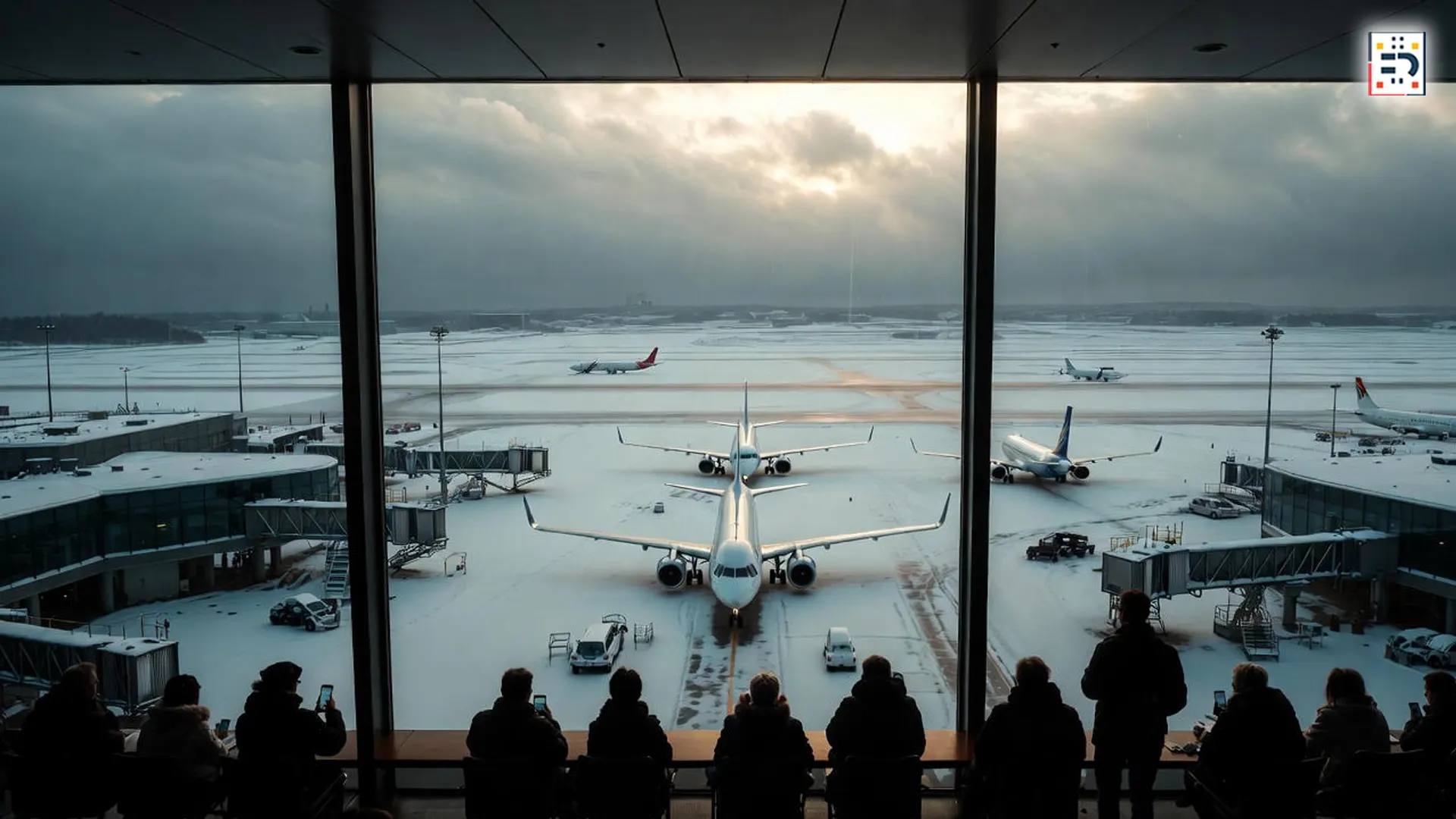
Every year, the days after Christmas are among the busiest travel periods in the United States. In 2025, they also became some of the most chaotic. A massive winter storm system blanketed large portions of the country, triggering flight cancellations, highway closures, and days-long delays that stranded millions of travelers.
While snowstorms are nothing new, the scale of disruption reignited an old question with new urgency: why does post-holiday travel still collapse so easily — and can technology finally make it better?
Why Post-Christmas Travel Is So Fragile
The post-Christmas travel window combines peak passenger volume with winter’s most unpredictable weather. Airlines operate near maximum capacity, leaving little margin for error when storms hit.
According to data tracked by Federal Aviation Administration (FAA), even small disruptions can cascade across the national airspace system, grounding crews and aircraft far from where they’re needed.
Once planes and crews are out of position, recovery can take days — especially when weather affects multiple hubs simultaneously.
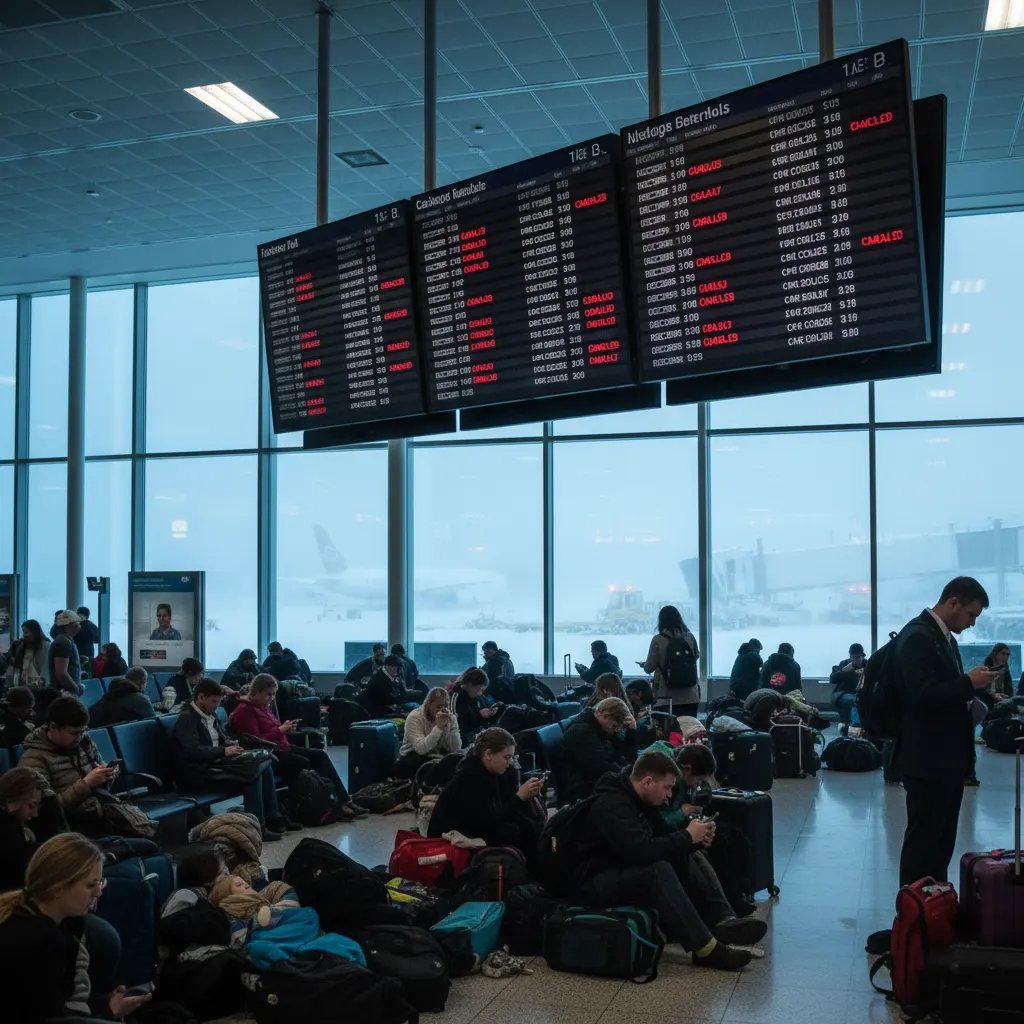
Real-Time Weather Intelligence Is Improving
One of the biggest shifts in recent years is how airlines use weather data. Advanced forecasting platforms now combine satellite imagery, AI-driven modeling, and historical storm patterns to anticipate disruption earlier.
Companies working with NOAA and private meteorological firms can now predict airport-specific impacts hours — sometimes days — in advance, allowing airlines to cancel flights proactively instead of reactively.
Earlier decisions mean fewer stranded passengers and less chaos inside terminals.
AI-Powered Rebooking and Crew Recovery
Traditionally, rebooking during mass disruptions relied on overwhelmed call centers and manual processes. Today, AI-driven systems are taking over much of that workload.
Major carriers are investing in algorithmic tools that can instantly:
- Reassign aircraft based on availability
- Match crews within regulatory limits
- Automatically rebook passengers on the fastest viable routes
Airlines like Delta Air Lines and United Airlines have highlighted AI-based recovery systems as critical tools during winter operations.
Mobile Apps Are Becoming the Command Center
For travelers, the smartphone has become the most powerful survival tool during weather disruptions. Airline apps now provide:
- Instant push notifications for delays and cancellations
- One-tap rebooking options
- Digital hotel and meal vouchers
- Live aircraft and crew status updates
Platforms like FlightAware and FlightStats also allow travelers to track inbound aircraft — often revealing delays before airlines officially announce them.
Ground Transportation Gets Smarter Too
Snowstorms don’t just disrupt flights — they overwhelm rental car agencies, trains, and highways. Transportation agencies increasingly rely on real-time traffic and road-condition data to manage flow.
Navigation platforms powered by Waze and Google Maps aggregate live user data, enabling faster rerouting around closures and dangerous conditions.
During the 2025 storm, these systems helped travelers pivot from air to rail or car travel when airports shut down entirely.
Why Tech Still Can’t Beat Snow
Despite these advances, technology has limits. Aircraft can’t fly safely through severe icing. Crews still time out. Airports must close runways for snow removal.
As the National Academies of Sciences have noted, resilience depends not just on better software, but on infrastructure investment — from de-icing equipment to staffing levels.
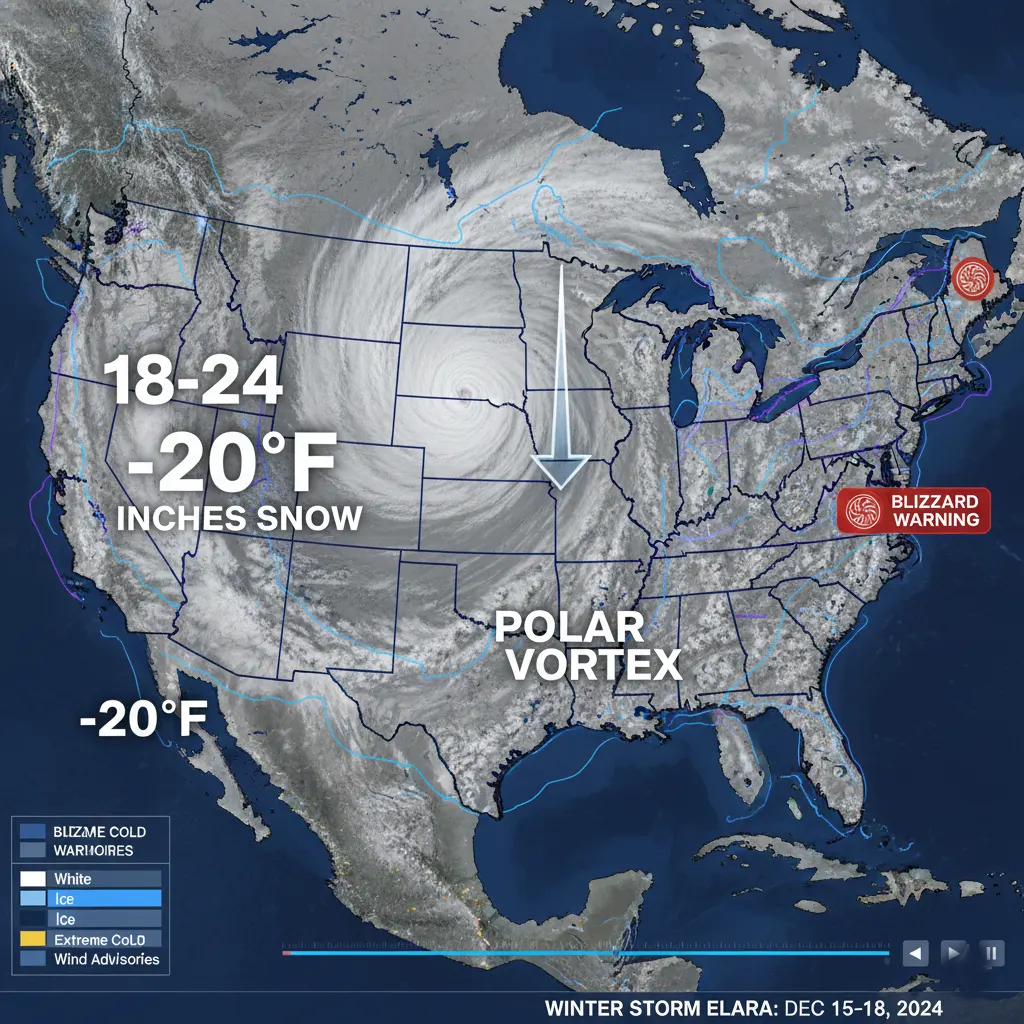
What Travelers Can Do Differently
While travelers can’t control the weather, technology gives them more leverage than ever before. Experts recommend:
- Booking early-morning flights when possible
- Enabling all airline app notifications
- Tracking inbound aircraft before leaving home
- Keeping backup ground travel options visible
In storm conditions, information — not patience — is the most valuable currency.
The Future of Winter Travel Recovery
Looking ahead, airlines and airports are testing even more advanced systems: predictive disruption modeling, digital crew passports, and cross-airline rebooking partnerships.
The goal is not to eliminate winter chaos — which is impossible — but to shorten recovery time and reduce the human toll of disruption.
The post-Christmas travel nightmare of 2025 showed how vulnerable modern mobility still is to extreme weather. But it also revealed how far technology has come.
Snowstorms may ground planes, but smarter systems, better data, and faster decision-making are finally giving travelers and airlines a fighting chance to recover — even when winter hits hardest.
#TravelChaos #WinterStorm #FlightDelays #TravelTech #AirlineNews #HolidayTravel #Snowstorm