

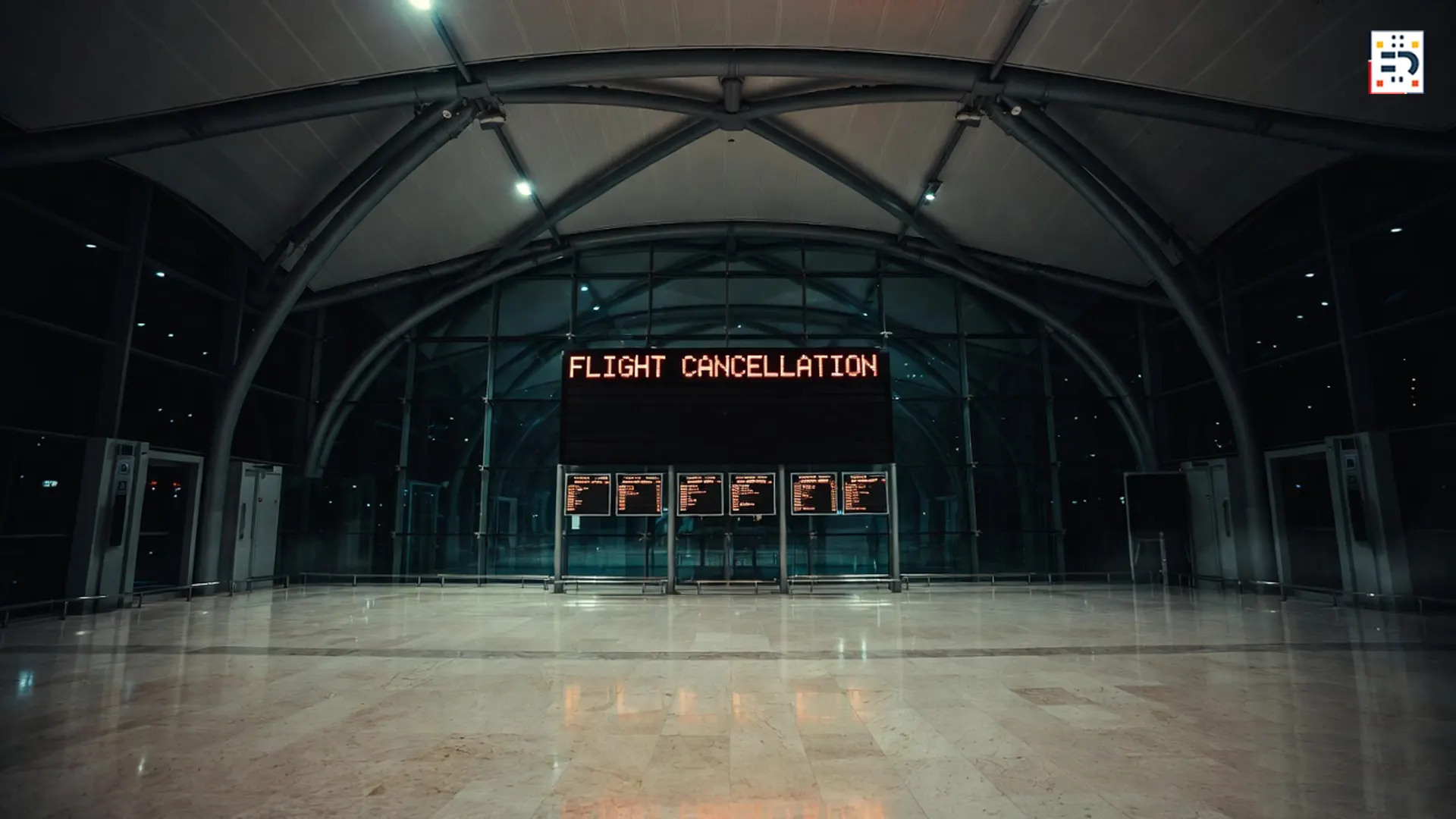
The Gulf airspace closure has triggered what many analysts are calling the biggest global aviation disruption since the 2020 pandemic shutdowns. With more than 300,000 foreign citizens currently being evacuated, airports from Dubai to Doha are facing unprecedented operational strain.
Flights are being rerouted across Asia, Europe, and Africa as key transit corridors close. Airlines are scrambling. Governments are organizing emergency evacuations. And global aviation hubs are absorbing shockwaves that could ripple well into 2026.
Why This Is Travel Chaos 2.0
Unlike localized flight suspensions, this crisis strikes at the heart of global aviation. The Gulf region is not just a destination — it is one of the world’s most critical transit corridors.
Dubai International Airport and Hamad International Airport in Doha rank among the busiest international hubs globally. They connect Europe to Asia, Africa to North America, and serve as essential refueling and crew rotation points.
When this corridor closes:
- Long-haul flights must detour thousands of miles.
- Fuel costs spike due to extended flight times.
- Aircraft and crew scheduling collapses.
- Insurance premiums surge for airlines operating near conflict zones.
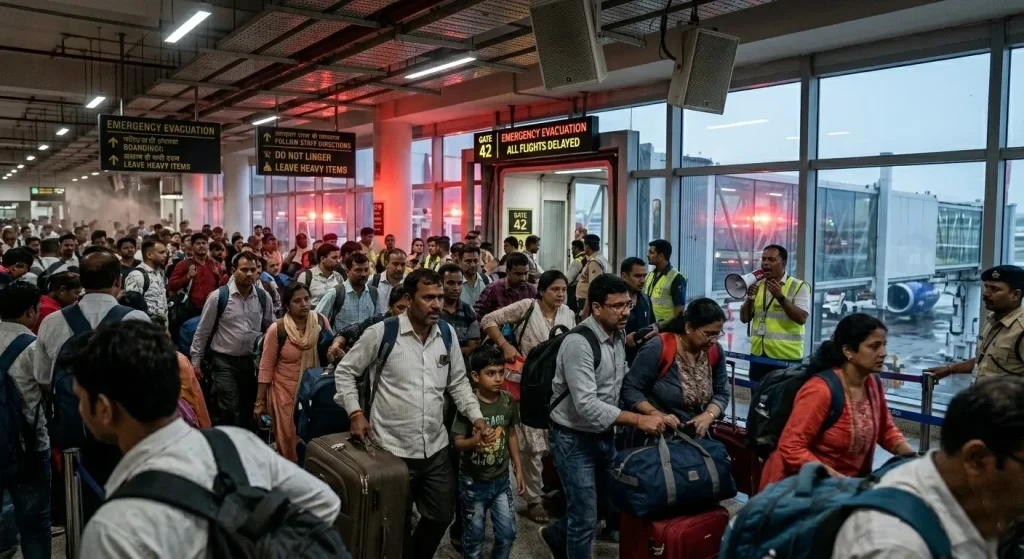
300,000+ Foreign Citizens in Evacuation Mode
More than 300,000 foreign nationals — including expatriate workers, tourists, and business travelers — are currently being evacuated through coordinated airlifts and naval operations.
Countries across Europe, North America, and Asia are deploying aircraft to extract citizens from impacted areas. Major carriers such as Emirates, Qatar Airways, and regional operators are adjusting schedules hour by hour.
The evacuation scale mirrors early 2020 repatriation efforts — but this time, the disruption is geopolitical rather than pandemic-driven.
Impact on Global Aviation Hubs
1. Europe
Airports like London Heathrow and Frankfurt are facing congestion from rerouted flights and emergency arrivals.
2. Asia
Singapore and Mumbai are becoming temporary transit alternatives, straining gate availability and air traffic control systems.
3. North America
Long-haul flights are adding stopovers, raising ticket prices and reducing seat availability.
Airlines operating Boeing and Airbus wide-body fleets are especially exposed due to reliance on Gulf hub connectivity.
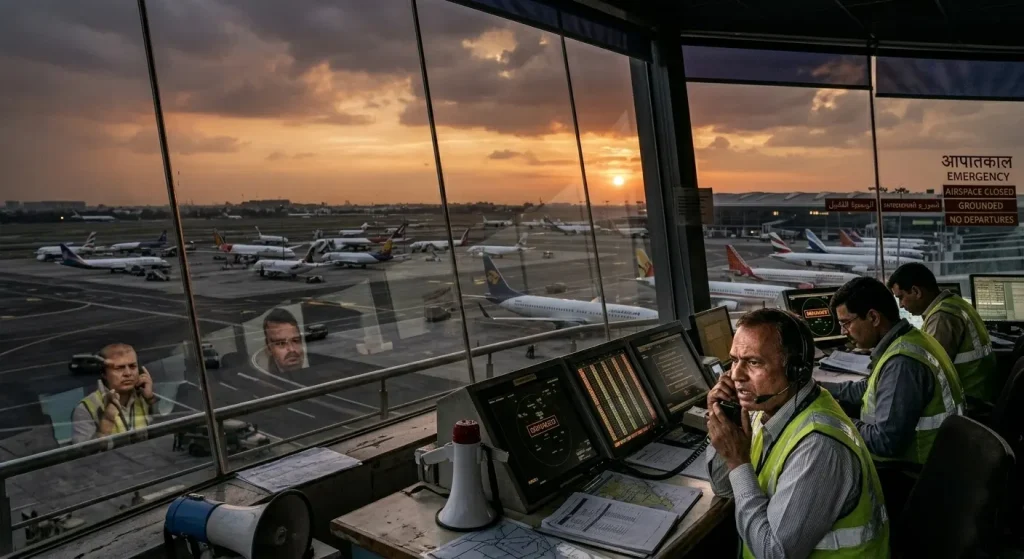
The Economic Fallout
The Gulf airspace closure impacts more than travelers:
- Air cargo delays disrupt global supply chains.
- Oil and energy sector travel is severely restricted.
- Tourism-dependent economies face sudden booking cancellations.
Travel insurers are reporting record claims. Hospitality markets in the Gulf are experiencing abrupt occupancy declines, while alternative hubs see temporary surges.
Why This Could Last Into 2026
Unlike short-lived airspace disputes, this crisis intersects with broader geopolitical tensions and military risks. If the conflict persists, aviation insurers and regulators may impose extended restrictions.
The ripple effects could reshape global flight routes for years, potentially increasing long-haul ticket prices permanently.
The Gulf airspace closure is not just a regional event — it is a systemic shock to global aviation. With 300,000+ people in evacuation mode and the world’s busiest transit hubs disrupted, Travel Chaos 2.0 has arrived.
For passengers, airlines, and governments, the coming months will test the resilience of global air travel in ways not seen since 2020.
#TravelChaos #GulfAirspace #DubaiAirport #DohaFlights #AviationCrisis #GlobalTravel