

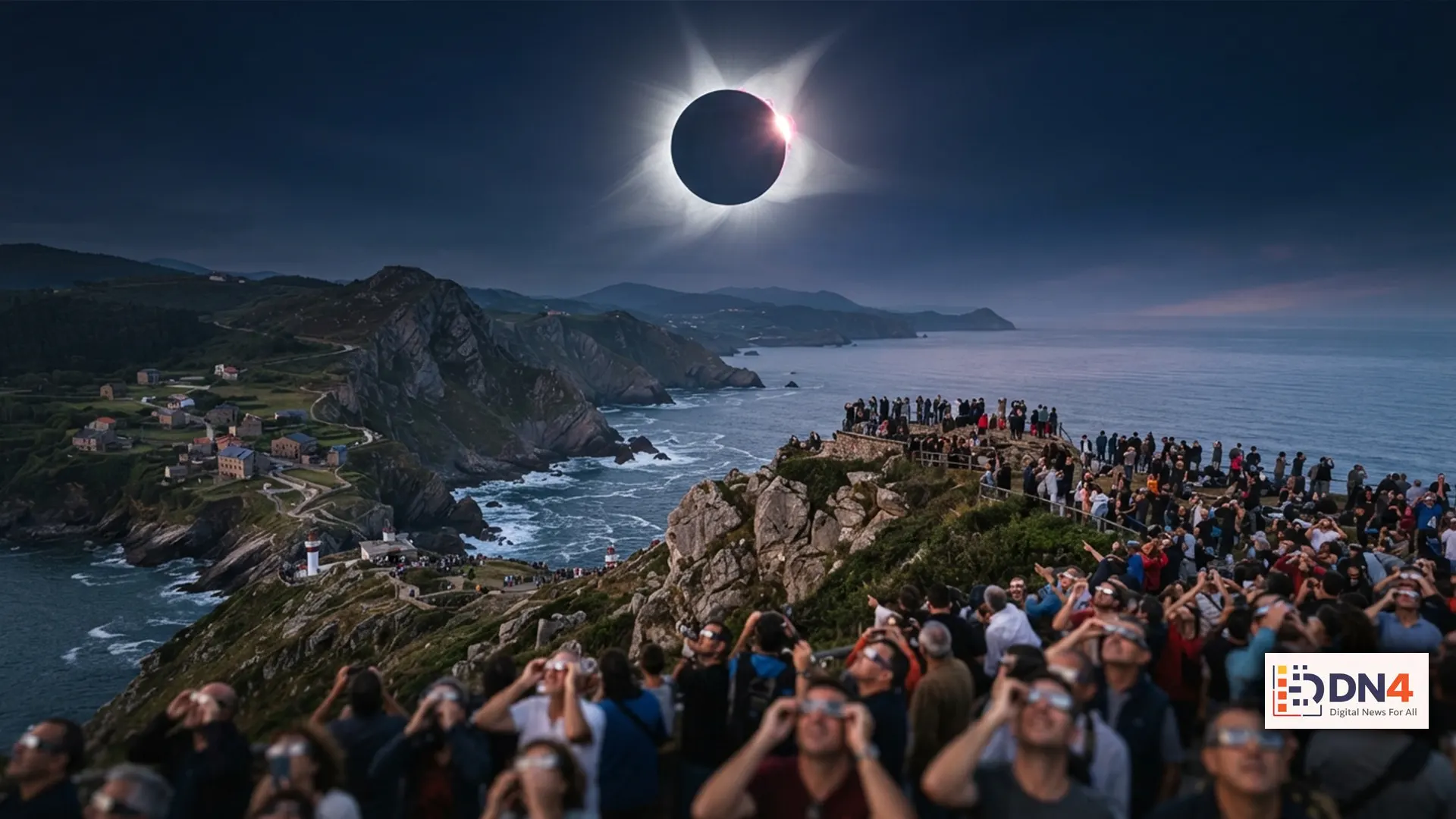
One of the decade’s most spectacular astronomical events is set to captivate millions across Europe. Here’s everything travelers need to know before witnessing the total solar eclipse on August 12, 2026.
Skywatchers from around the globe are preparing for one of the most anticipated celestial events in recent history—the total solar eclipse crossing parts of Europe on August 12, 2026. It will be the continent’s first total solar eclipse since 1999, making it a once-in-a-generation opportunity for astronomy enthusiasts, photographers, and travelers alike. With hotels already seeing increased demand in prime viewing regions, early planning could make the difference between witnessing totality and missing one of nature’s greatest spectacles.Unlike partial eclipses, a total solar eclipse briefly transforms daylight into twilight as the Moon completely covers the Sun. For a few unforgettable minutes, observers within the path of totality will experience the Sun’s glowing corona, rapidly changing skies, and dramatic shifts in temperature and wildlife behavior.
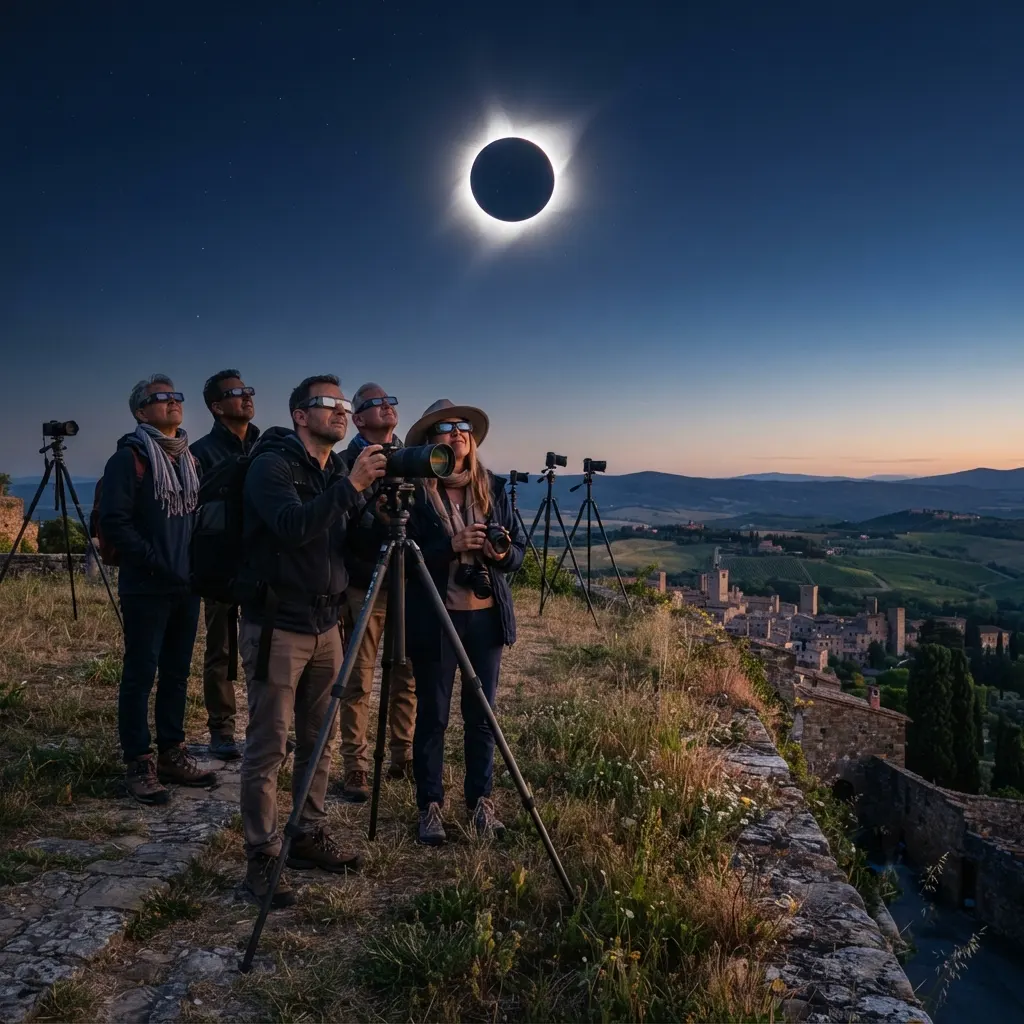
Where Will the Best Views Be?
According to eclipse projections published by NASA and calculations from NASA’s Eclipse Explorer, the path of totality will cross parts of Greenland, Iceland, Spain and portions of Portugal before moving across the Atlantic. Northern Spain is expected to become one of the world’s most popular viewing destinations, with cities and coastal regions preparing for a significant increase in tourism.Additional eclipse maps and educational resources are available through the Time and Date Eclipse Center, while the European Space Agency (ESA) continues publishing astronomy resources and mission updates.
Travel Tips for Eclipse Chasers
- Reserve hotels and flights several months in advance.
- Choose accommodation within or near the path of totality.
- Monitor weather forecasts during the week of the eclipse.
- Plan backup viewing locations in case of cloud cover.
- Allow extra travel time due to increased tourism and traffic.

Protecting Your Eyes
Viewing the Sun without proper protection can permanently damage your eyesight. Experts recommend using ISO 12312-2 certified eclipse glasses throughout every phase except the brief period of totality. Safety recommendations from the American Astronomical Society and guidance from NASA Eclipse Safety explain how to safely observe and photograph the event.
Photography Tips
- Use a certified solar filter on cameras and telescopes.
- Practice your camera settings before eclipse day.
- Bring extra batteries and memory cards.
- Capture the surrounding landscape as daylight fades.
- Don’t spend the entire eclipse behind your camera—enjoy the moment.
The total solar eclipse of August 12, 2026 promises to be one of Europe’s most unforgettable natural events in decades. Whether you’re an experienced eclipse chaser or witnessing your very first totality, careful planning, safe viewing practices, and early travel arrangements will help ensure an extraordinary experience. For many travelers, this rare celestial event will become the highlight of 2026.
#SolarEclipse2026 #EuropeEclipse #Astronomy #SpaceNews #TravelGuide #AstroPhotography #ScienceTravel #EclipseChasers #August2026