

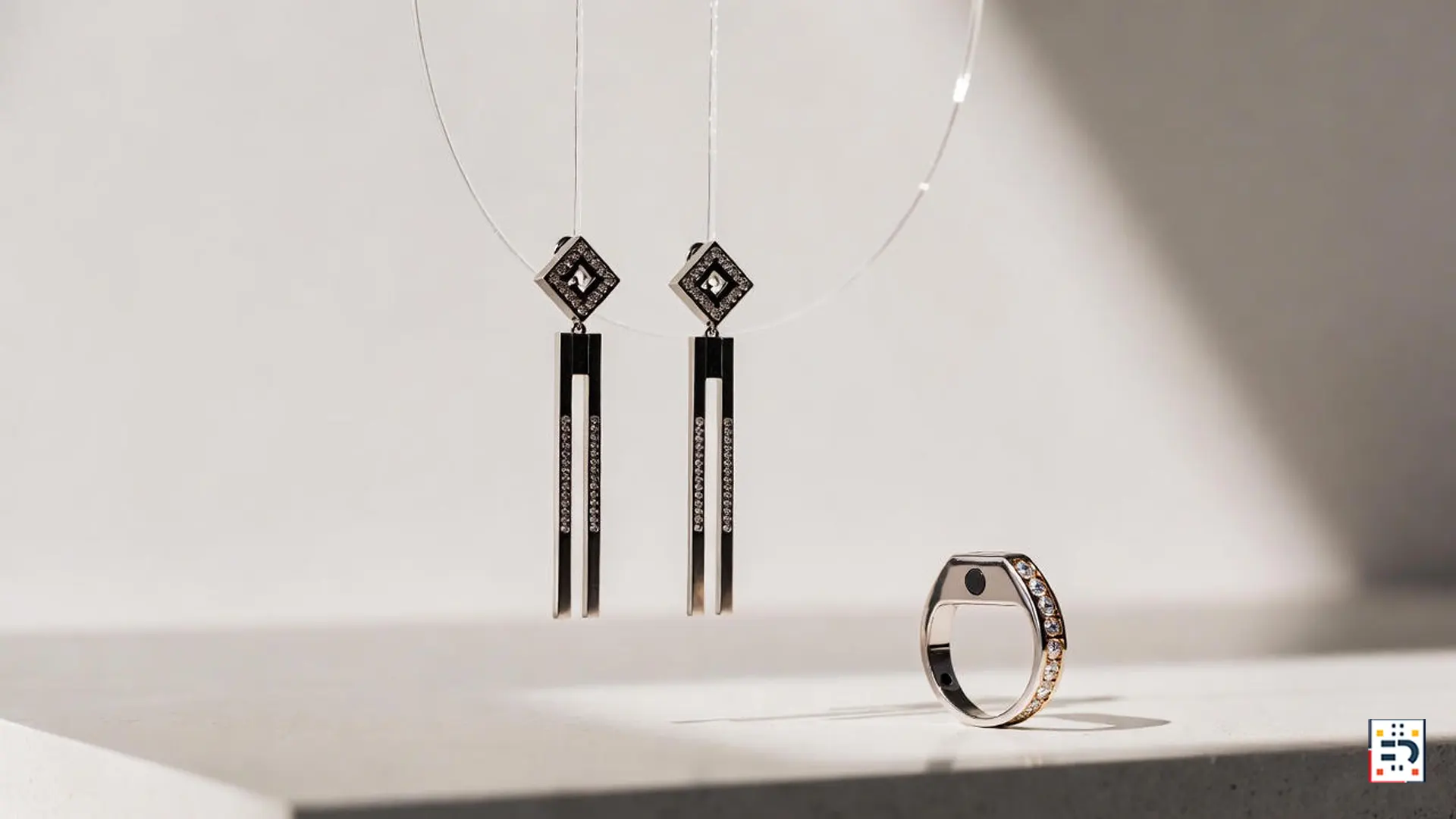
Wearable technology is moving beyond the wrist. After years dominated by smartwatches and fitness bands, the next frontier of personal tech is smaller, subtler, and far more intimate. Enter smart earrings and bio-sensing rings—devices designed to blend seamlessly into daily life while continuously monitoring health, wellness, and performance.
This new generation of wearables signals a shift away from bulky screens and toward discreet, always-on intelligence.
Why Wearables Are Shrinking
Smartwatches helped mainstream health tracking, but they also revealed limitations: battery drain, notification fatigue, and aesthetics that don’t fit every lifestyle.
According to analysis from Forbes Wearable Technology, consumers are increasingly drawn to devices that:
- Disappear into everyday fashion
- Require minimal interaction
- Collect passive, continuous data
- Focus on wellness rather than notifications
Smart earrings and rings meet all four criteria.
Smart Earrings: Fashion Meets Function
While smart earrings may sound futuristic, multiple startups and university research labs are already testing early versions of the technology, blending biometric sensing with everyday fashion.
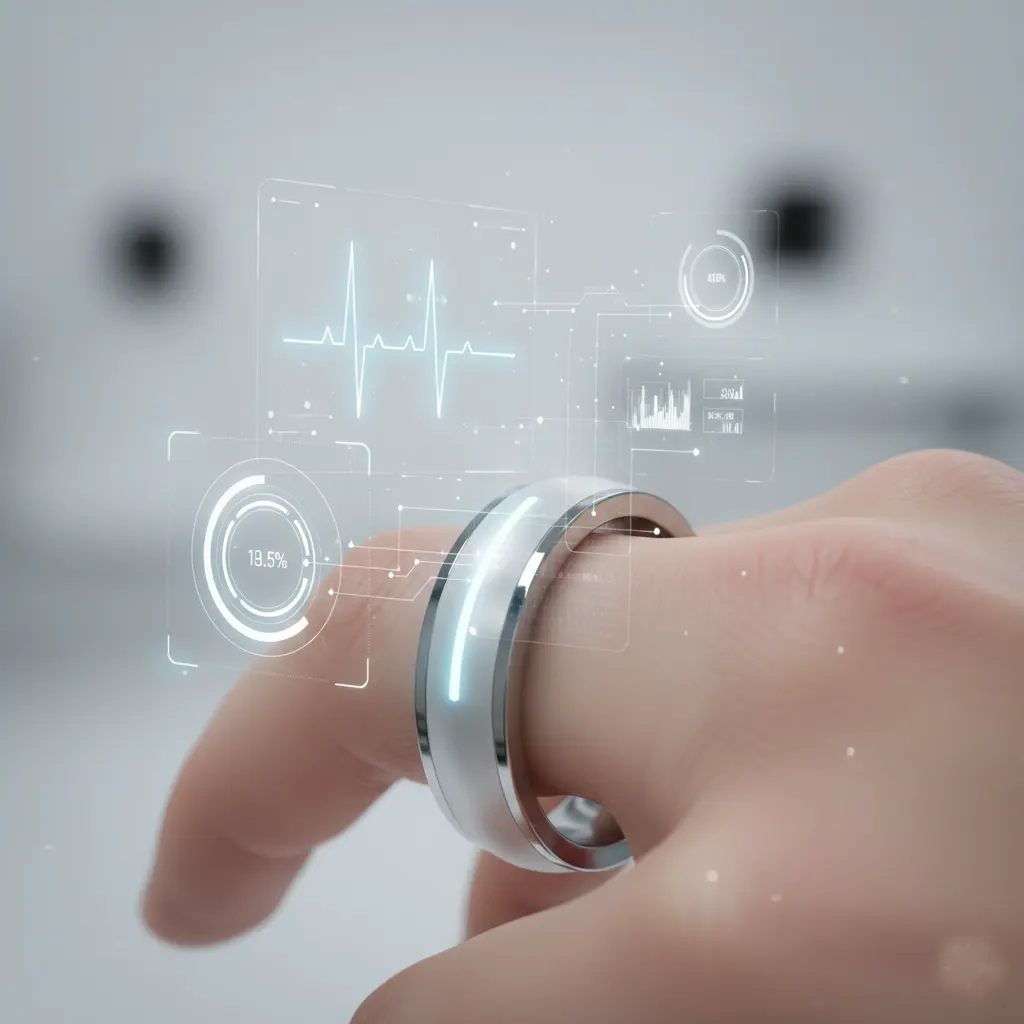
Because the ear is close to the brain and major blood vessels, it’s an ideal location for tracking biometrics such as:
- Body temperature
- Heart rate
- Blood oxygen levels
- Stress indicators
Research cited by Nature Electronics highlights how ear-based sensors can sometimes deliver more stable readings than wrist-based devices.
For users, the appeal is clear: health monitoring without the visual presence of a gadget.
The Bio-Sensing Ring Boom
Among non-watch wearables, bio-sensing rings are already gaining serious traction.
Companies like Oura and coverage from The Verge have helped push smart rings into the mainstream, especially among users focused on sleep, recovery, and long-term health trends.
Smart rings typically track:
- Sleep quality and stages
- Heart rate variability (HRV)
- Body temperature changes
- Activity and recovery balance
Because rings are worn 24/7, they generate more consistent datasets than devices people remove at night.
Why Rings and Earrings Beat Watches for Health Data
Wrist-based wearables are great for quick feedback, but they’re not always ideal for long-term biosensing.
According to insights from Statista Consumer Electronics, users are increasingly prioritizing comfort and data accuracy over screens and apps.
Advantages of smaller wearables include:
- Fewer motion-related sensor errors
- Longer battery life
- Higher compliance (people forget they’re wearing them)
- Greater acceptance in professional and social settings
Health, Wellness, and Preventive Care
The biggest promise of smart earrings and rings isn’t convenience—it’s prevention.
Continuous biometrics allow AI-driven platforms to detect subtle changes that humans might miss. As noted by McKinsey Health Tech, early signals from wearables can help identify:
- Sleep debt and burnout risk
- Overtraining or recovery issues
- Early signs of illness
- Long-term cardiovascular trends
This shifts wearables from fitness gadgets to preventive health tools.
Privacy and Data Concerns
More intimate wearables also raise serious questions.
Devices that track temperature, heart rhythms, and stress levels generate highly sensitive data. Reporting from Reuters Technology shows growing concern over:
- Who owns biometric data
- How long it’s stored
- Whether insurers or employers gain access
As smart earrings and rings become mainstream, transparency and strong data protections will be critical to adoption.
What Comes After the Watch?
Industry analysts believe watches won’t disappear—but they may no longer be the center of wearable innovation.
Future ecosystems could include:
- Rings for sleep and recovery
- Earrings for real-time health monitoring
- AI platforms that unify data across devices
As explained by WIRED Wearables, the goal is not more screens, but better insight with less friction.
The future of wearables is quieter, smaller, and smarter. Smart earrings and bio-sensing rings represent a move toward technology that works in the background—collecting meaningful data without demanding attention.
Beyond the watch lies a world where health tracking feels less like using tech and more like wearing it.
#WearableTech #SmartJewelry #BioSensing #HealthTech #FutureTech #DigitalHealth