

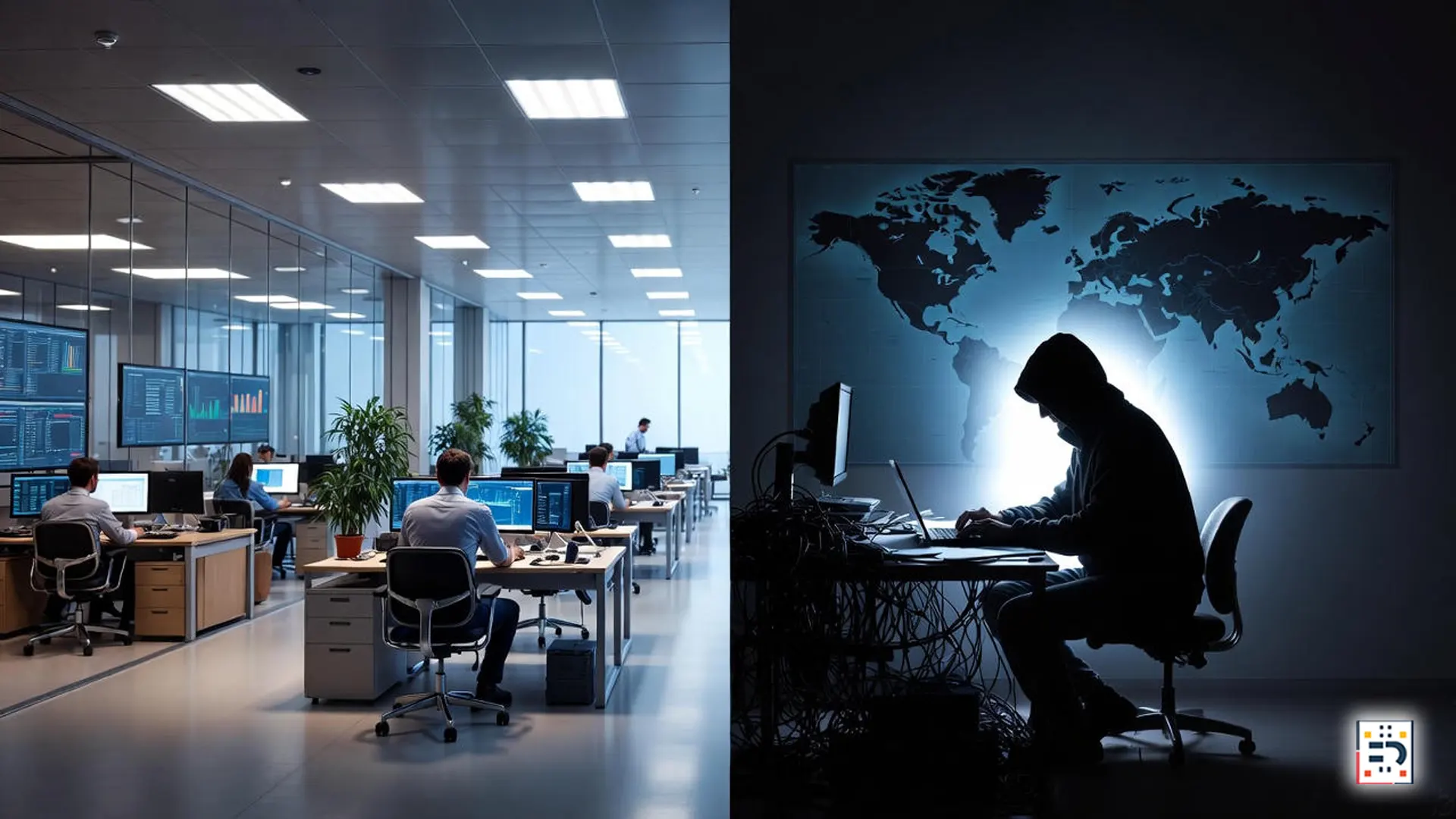
Remote work once symbolized freedom and global opportunity. However, that promise is now under pressure. Major employers like Amazon are tightening controls, while sophisticated North Korean IT worker scams exploit the same systems meant to enable distributed teams.
As a result, companies face a growing identity crisis. They must decide who to trust in a borderless workforce. At the same time, workers worry that a few bad actors could dismantle remote work for everyone.
The Rise of Remote Work—and the Trust Gap
During the pandemic, remote work expanded at record speed. Companies hired globally and moved fast. Identity checks often took a back seat.
Meanwhile, cybercriminal groups noticed the opportunity. According to U.S. authorities, North Korean operatives began posing as freelance developers. They used stolen or fabricated identities to secure remote jobs.
Consequently, money meant for salaries allegedly flowed into programs supporting sanctioned North Korean activities .
Amazon’s Crackdown on Remote Work
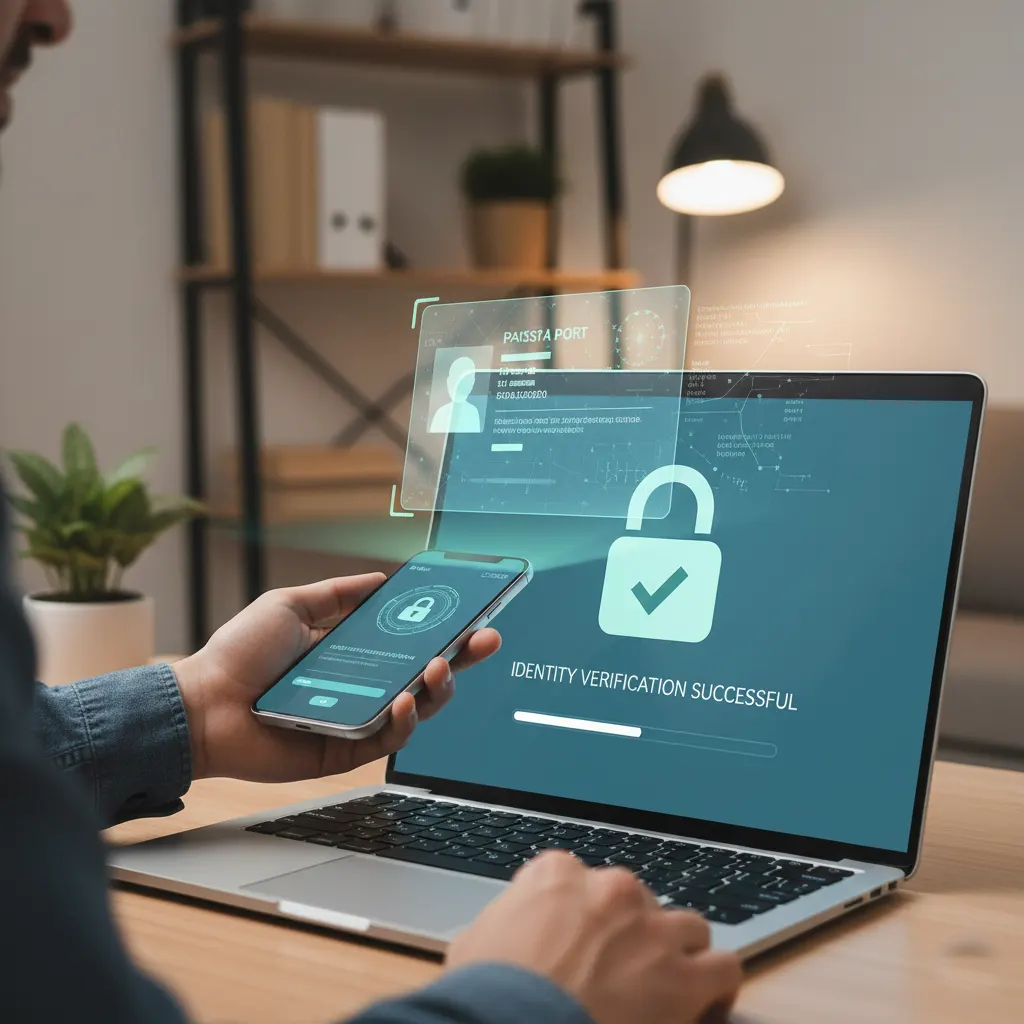
Amazon has taken a different approach. Over the past year, the company pushed for stricter office attendance and tighter verification.
Leadership argues that in-person work improves security and collaboration. Moreover, physical presence reduces identity fraud risks.
Critics disagree. They say Amazon’s return-to-office policies punish legitimate employees. Instead of fixing hiring systems, companies may be abandoning remote flexibility altogether.
How the North Korean IT Scams Work
The scams rely on layered deception. Operatives use fake résumés, proxy interviews, and AI-assisted communication.
Often, a U.S.-based accomplice handles onboarding. Meanwhile, the real worker operates from abroad. Because of this structure, detection becomes difficult.
The U.S. Treasury Department and the FBI warn that hundreds of companies may already be affected.
Why This Is a Remote Work Identity Crisis
This issue goes beyond cybersecurity. It strikes at the core of trust. Employers must verify who is actually doing the work.
At the same time, workers fear invasive monitoring. Tools like biometric checks and constant surveillance raise privacy concerns.
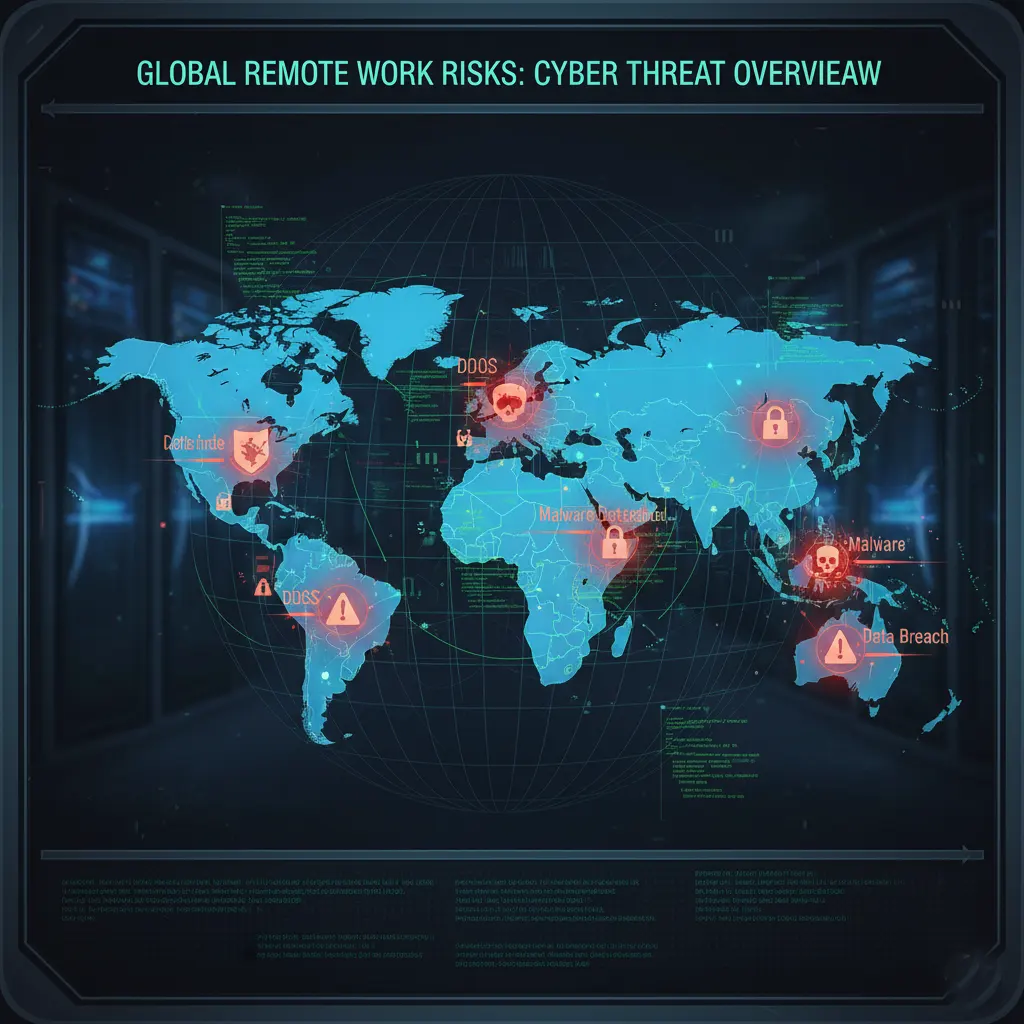
Therefore, companies face a dilemma. Stronger controls improve security. However, they also risk eroding employee trust.
The Future of Remote Hiring
Some firms are investing in advanced identity verification. Others restrict hiring to specific countries.
Ultimately, the future likely sits in the middle. Smarter vetting, clearer regulations, and better international cooperation could protect both companies and workers.
If businesses fail to adapt, remote work may shrink. Yet if they overreact, they risk losing global talent.
Amazon’s stance and the rise of North Korean IT scams highlight the same problem from opposite sides. Remote work depends on trust.
To survive, companies must secure their systems without destroying flexibility. Otherwise, a few bad actors could reshape the future of work for millions.
#RemoteWork #CyberSecurity #FutureOfWork #Amazon #HiringFraud #NorthKorea #TechSecurity #WorkFromHome