

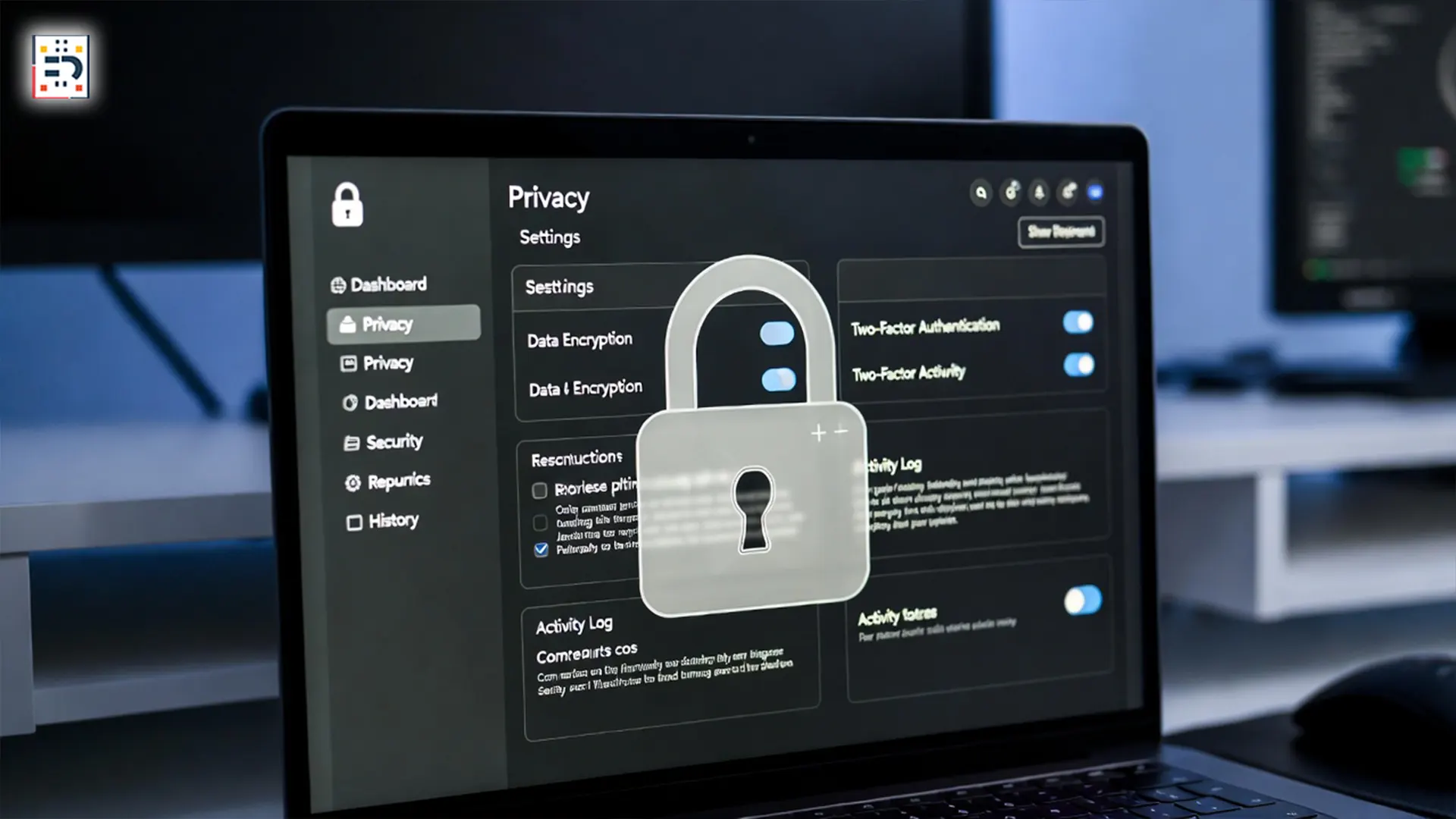
Every time a new AI model launches, a familiar question follows: Is my data being scraped?
From social media posts to public comments, vast amounts of online content are used to train artificial intelligence systems. While companies often rely on publicly available information, growing concerns around digital consent and data usage have sparked renewed privacy debates.
Organizations like the Federal Trade Commission and privacy regulators in states such as California are increasing oversight. Meanwhile, frameworks like the General Data Protection Regulation (GDPR) have reshaped how companies handle personal data globally.
If you’re feeling uneasy, you’re not alone. The good news? You can perform a 3-step privacy audit in under five minutes.
What Is AI Scraping?
AI scraping refers to automated systems collecting publicly available data from websites, forums, and social platforms to train machine learning models.
Major AI developers including OpenAI and Google AI train models on large-scale datasets. While much of this data is anonymized or aggregated, individuals increasingly want greater control over how their digital footprint is used.
Privacy spikes every time a new AI model hits the headlines — and for good reason.

Your 3-Step Privacy Audit (Under 5 Minutes)
Step 1: Google Yourself (1 Minute)
Open an incognito browser and search your full name. Check images, public profiles, and cached pages. Remove or update outdated content where possible.
Use Google’s content removal request tool if sensitive information appears.
Step 2: Review Social Privacy Settings (2 Minutes)
Go into your privacy settings on major platforms:
Switch profiles to private if appropriate. Disable data-sharing options and review third-party app permissions.
Step 3: Opt-Out of Data Brokers (2 Minutes)
Data broker sites aggregate and sell personal data. You can request removal from platforms such as Whitepages and similar directories.
For broader protection, consider privacy services recommended by Consumer Reports that specialize in data removal and identity monitoring.

Advanced Protection Moves
If you want to go further:
- Enable two-factor authentication on all accounts
- Use encrypted messaging apps
- Install tracker-blocking browser extensions
- Regularly update passwords using a secure manager
Cybersecurity experts from institutions like the Cybersecurity and Infrastructure Security Agency recommend layered defenses rather than relying on a single solution.
From Passive to Proactive Privacy
The “Privacy Pivot” isn’t about paranoia. It’s about awareness.
As AI tools become more powerful, digital footprints become more valuable. The smartest move in 2026 isn’t deleting everything — it’s auditing regularly and managing what’s public.
Five minutes today could prevent years of unwanted exposure.
#DigitalPrivacy #AIProtection #CyberSecurity #DataSecurity #PrivacyAudit #OnlineSafety #TechAwareness