

 By Vinod Ram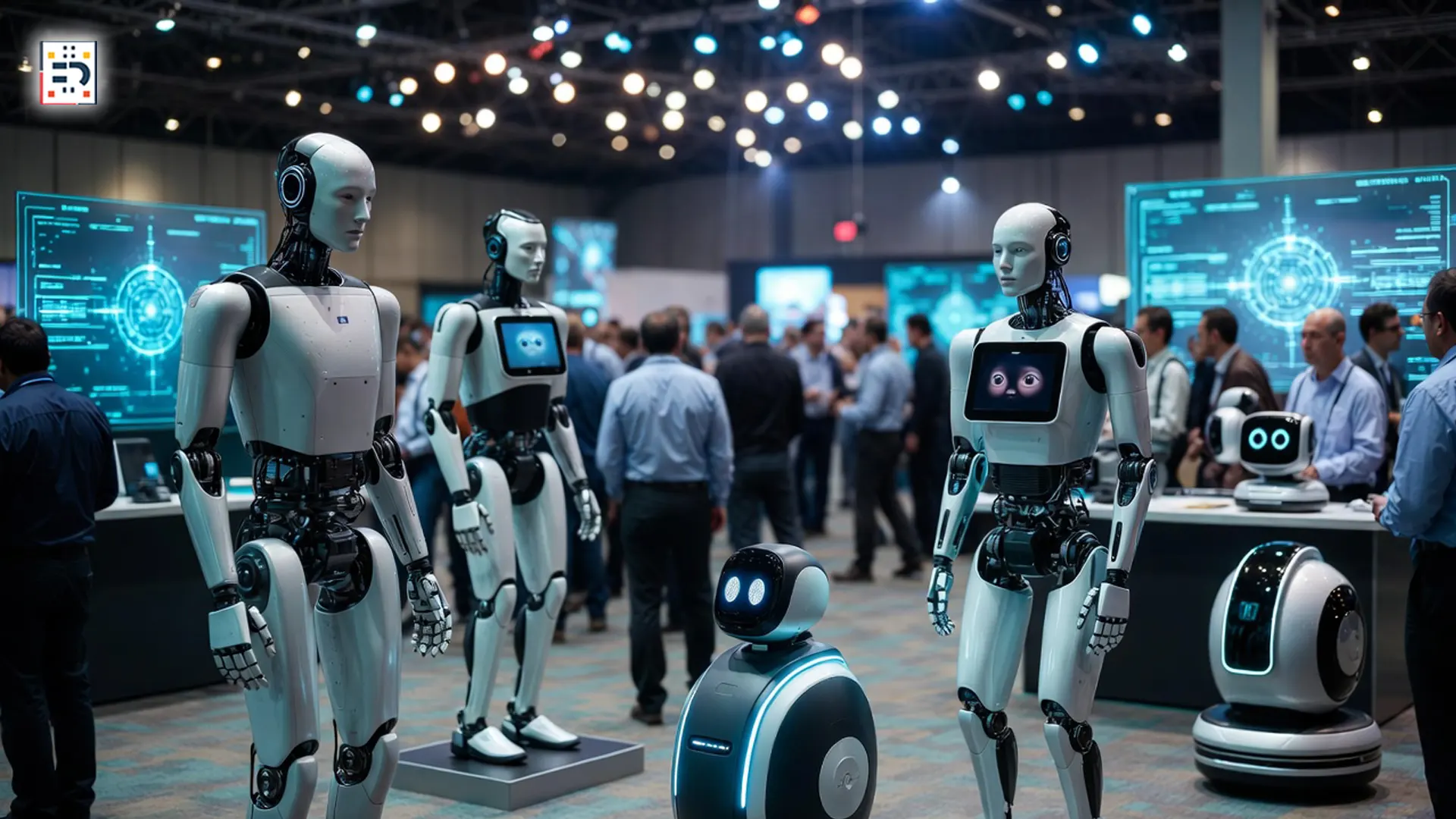
For years, artificial intelligence lived mostly on screens—chatbots, algorithms, and software tools. But at the Consumer Electronics Show (CES) 2026, AI finally stepped into the physical world. From Nvidia’s ambitious Cosmos platform to a new generation of surprisingly expressive, waddling robots, Physical AI has entered the public consciousness—and the workforce.
What once felt like science fiction is now being deployed in warehouses, hospitals, factories, and public spaces, signaling a major shift in how humans and machines collaborate.
What Is Physical AI?
Physical AI refers to artificial intelligence systems embedded in machines that can perceive, reason, and act in the real world. Unlike traditional software AI, these systems combine robotics, sensors, computer vision, and advanced AI models to perform physical tasks autonomously.
According to experts speaking at CES and cited by The Verge, Physical AI represents the next major phase of AI adoption—where intelligence is no longer confined to data centers and devices.
Nvidia Cosmos: The Brain Behind the Machines
At the center of the conversation is Nvidia’s new Cosmos platform, designed to power intelligent robots and autonomous systems at scale.
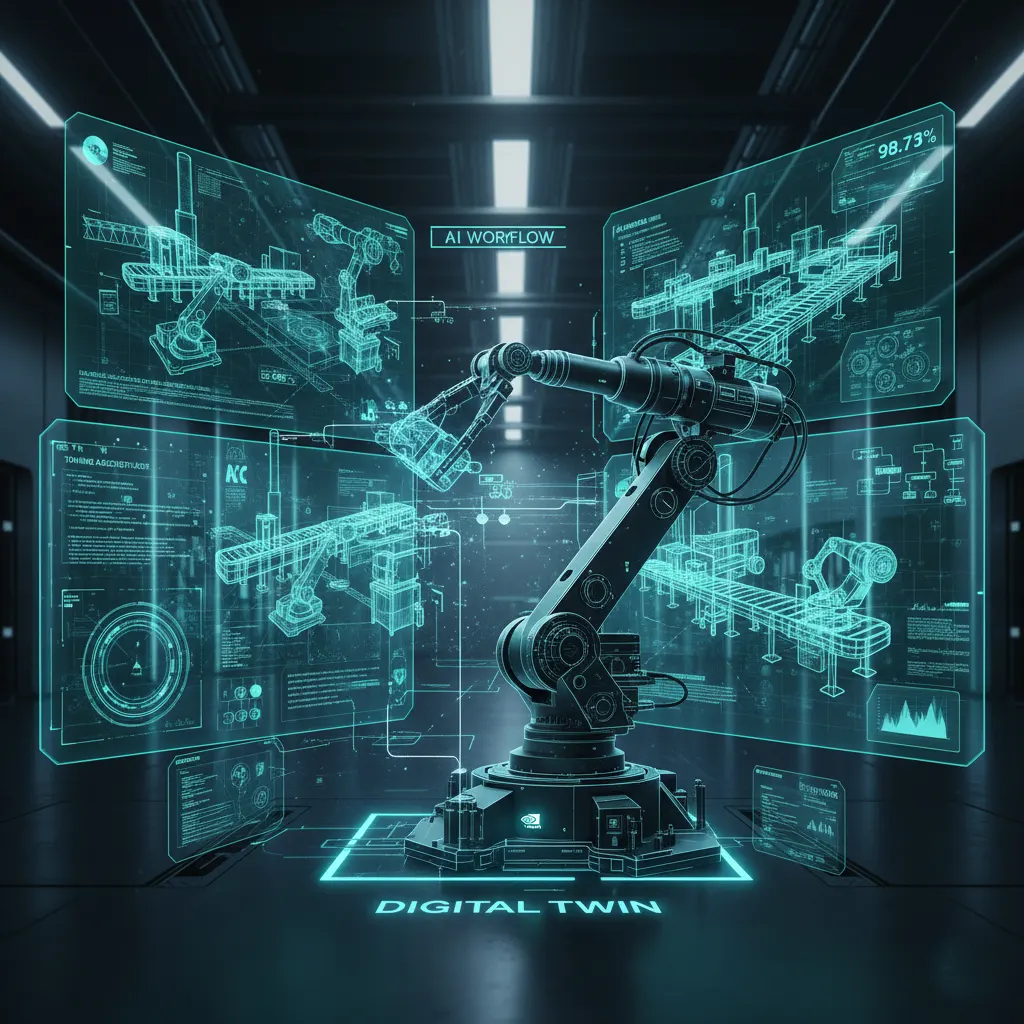
Cosmos combines advanced GPUs, simulation environments, and AI models that allow robots to learn in virtual worlds before operating in the physical one—reducing risk, cost, and training time.
Built on foundations similar to Nvidia Omniverse, Cosmos enables digital twins of real-world environments, helping robots adapt to unpredictable human spaces.
The Waddling Robots That Captured CES
While high-end humanoids drew headlines, some of the most talked-about robots at CES 2026 were smaller, more approachable machines—often described as “waddling” due to their intentionally slow, stable movements.
Designed for roles in logistics, retail assistance, elder care, and hospitality, these robots prioritize safety and trust over speed. Their design reflects a growing understanding that humans are more comfortable working alongside machines that feel predictable and non-threatening.
Robots Are Entering the Workforce
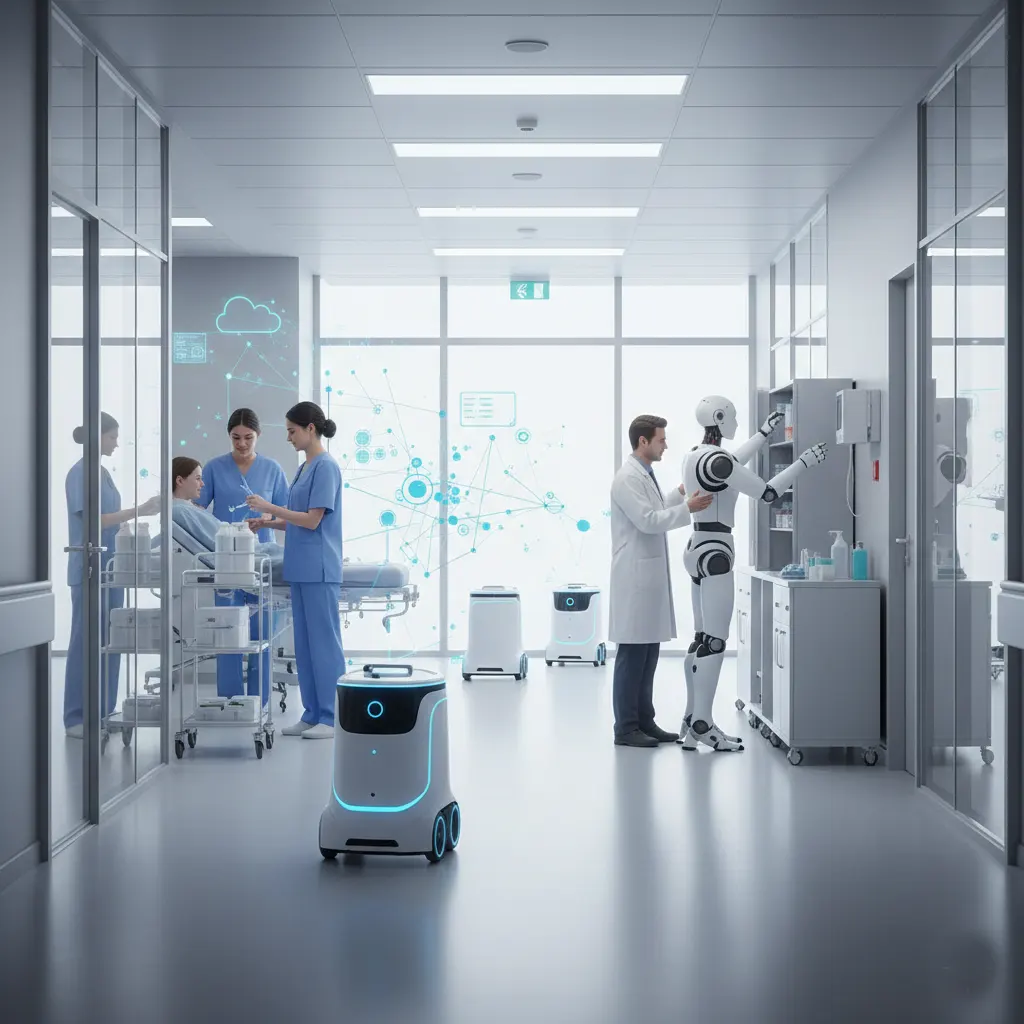
Unlike past CES showcases, many of this year’s robots are already moving beyond demos. Companies announced pilot programs and commercial deployments across multiple industries:
- Warehouse picking and inventory management
- Hospital delivery and sanitation tasks
- Factory floor inspection and maintenance
- Customer assistance in public spaces
Industry analysts from Bloomberg note that labor shortages and rising costs are accelerating demand for Physical AI solutions.
Why Public Perception Is Changing
One reason Physical AI is gaining acceptance is visibility. As robots appear in everyday environments, fear is giving way to familiarity.
Researchers referenced by McKinsey argue that task-specific robots—designed to assist rather than replace—are more likely to be embraced by workers and the public alike.
Challenges Still Ahead
Despite the excitement, Physical AI faces hurdles. High hardware costs, regulatory uncertainty, and ethical concerns around surveillance and job displacement remain unresolved.
Security and reliability are also critical, as failures in physical systems carry real-world consequences far beyond software glitches.
CES 2026 made one thing clear: Physical AI is no longer a concept—it’s a reality. With platforms like Nvidia Cosmos and a new generation of approachable robots entering real jobs, the boundary between digital intelligence and physical labor is dissolving.
As these machines move from show floors to workplaces, they may quietly become one of the most transformative technologies of the decade.
#PhysicalAI #CES2026 #Robotics #FutureOfWork #Nvidia #AIInnovation #SmartRobots #TechTrends #Automation