

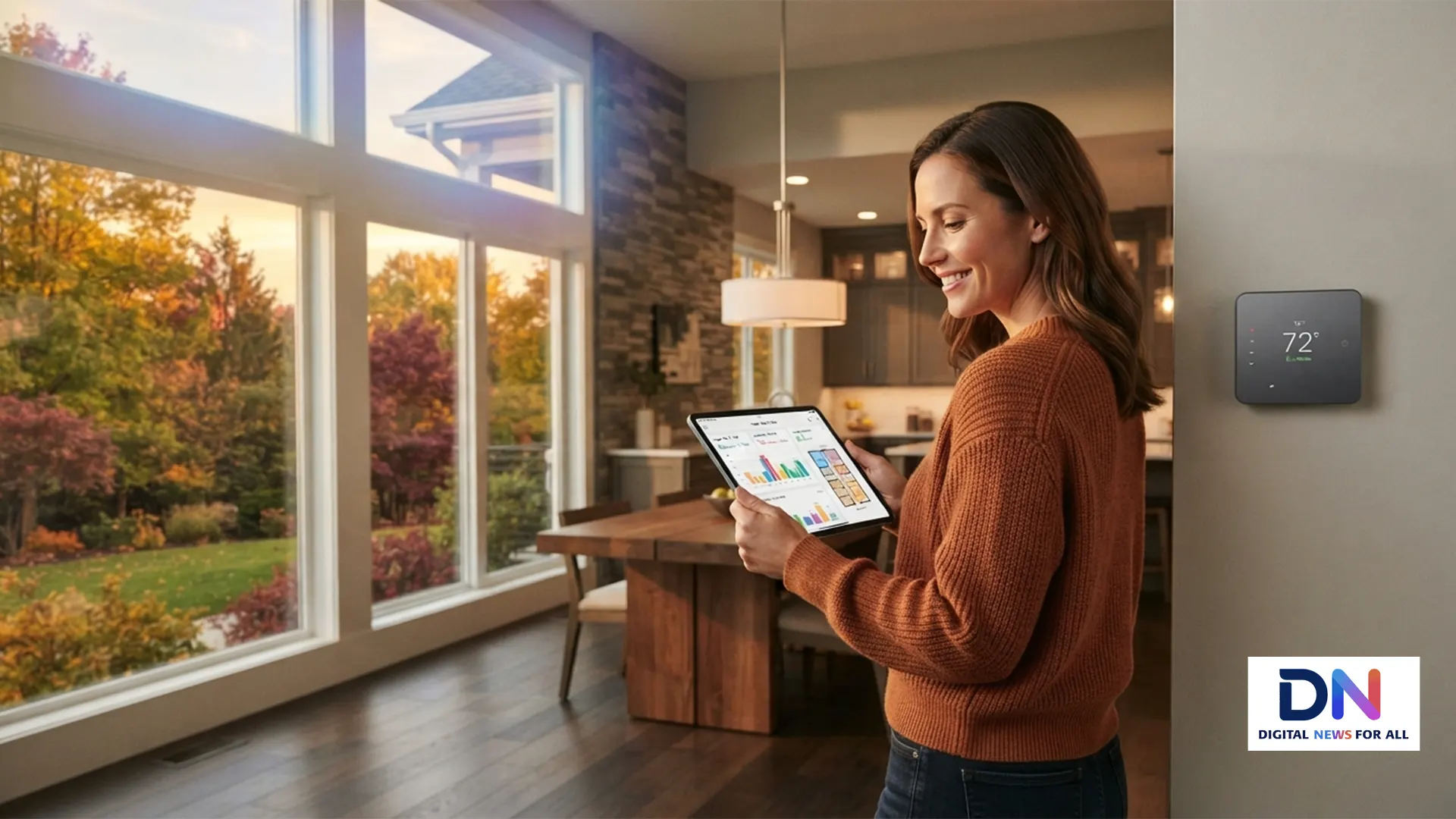
As temperatures begin to change, many U.S. households start preparing for higher heating and electricity costs. Instead of waiting for an unexpectedly large utility bill, homeowners can use a smart home energy audit to identify where energy is being wasted and which upgrades could deliver the biggest savings.
Start With a Home Energy Audit
A home energy audit examines how efficiently a property uses energy. The U.S. Department of Energy recommends an energy evaluation as a useful first step because it can identify problems involving air leaks, insulation, windows, heating and cooling equipment, and other sources of energy loss.
For homeowners preparing for fall and winter, checking doors, windows, attics, basements, ductwork, and exterior walls can reveal areas where conditioned air is escaping. The Department of Energy notes that sealing drafts and improving insulation can reduce energy waste while also making a home more comfortable.
Check Heating and Cooling First
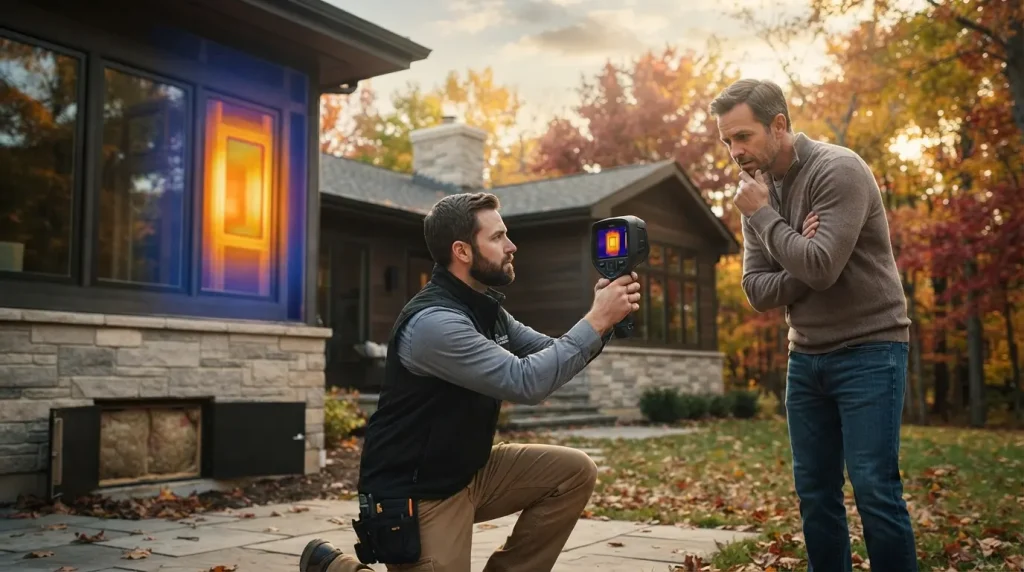
Heating and cooling deserve special attention because they can represent a substantial share of household energy use. A professional audit may use tools such as infrared cameras and blower-door testing to locate air leakage and insulation problems that are difficult to see during a normal inspection.
Before colder weather arrives, homeowners should also replace HVAC filters, inspect duct connections, and schedule maintenance when necessary. Small problems can force heating equipment to operate longer, increasing energy consumption.
Use a Smart Thermostat
Once the major sources of energy waste have been addressed, a smart thermostat can help manage heating and cooling automatically. ENERGY STAR says certified smart thermostats can learn household routines, adjust temperatures when occupants are away, and provide information about energy use.
ENERGY STAR also reports that its certified smart thermostats demonstrate energy savings using real-world household data. However, actual savings vary depending on climate, HVAC equipment, occupancy, and household behavior.
Don’t Ignore Insulation and Air Leaks
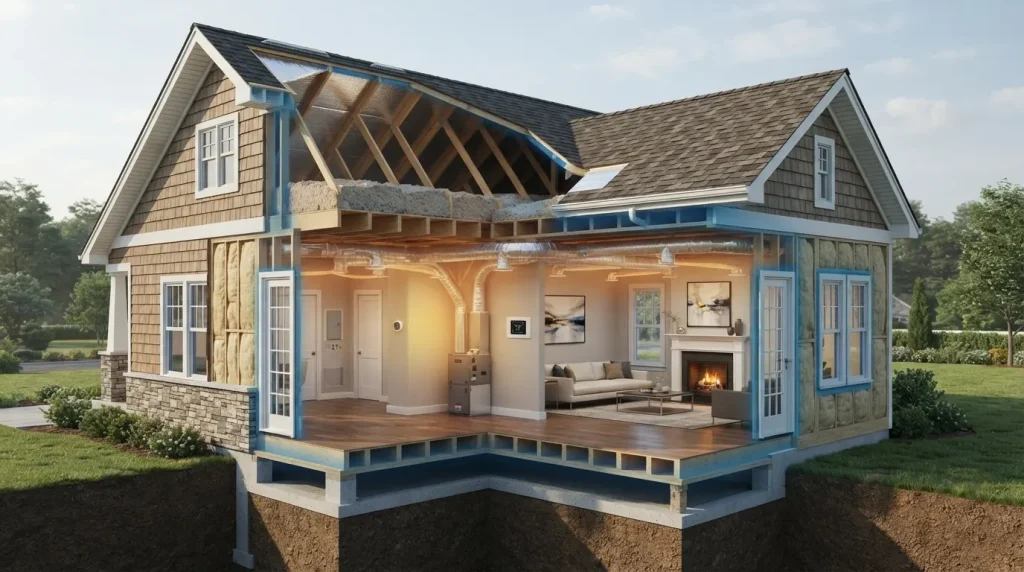
Improving home insulation and sealing air leaks can be among the most practical ways to reduce heating and cooling demand. Weatherstripping around doors, caulking gaps, and improving attic insulation can help maintain more consistent indoor temperatures.
Turn the Audit Into a Savings Plan
The biggest mistake is treating an energy audit as simply another inspection. Use the findings to prioritize improvements based on potential savings, upfront cost, and the condition of your existing equipment. Start with inexpensive fixes such as air sealing and thermostat adjustments before considering larger upgrades.
With fall approaching, a smart energy audit can turn an unpredictable utility bill into a more manageable household expense. The goal isn’t simply to use less energy—it is to make every unit of energy you purchase work harder for your home.
#EnergySavings #HomeEnergy #SmartHome #EnergyAudit #UtilityBills #EnergyEfficiency #SmartThermostat #HomeImprovement #FallSavings #HeatingCosts #Homeowners #DigitalNews4All