

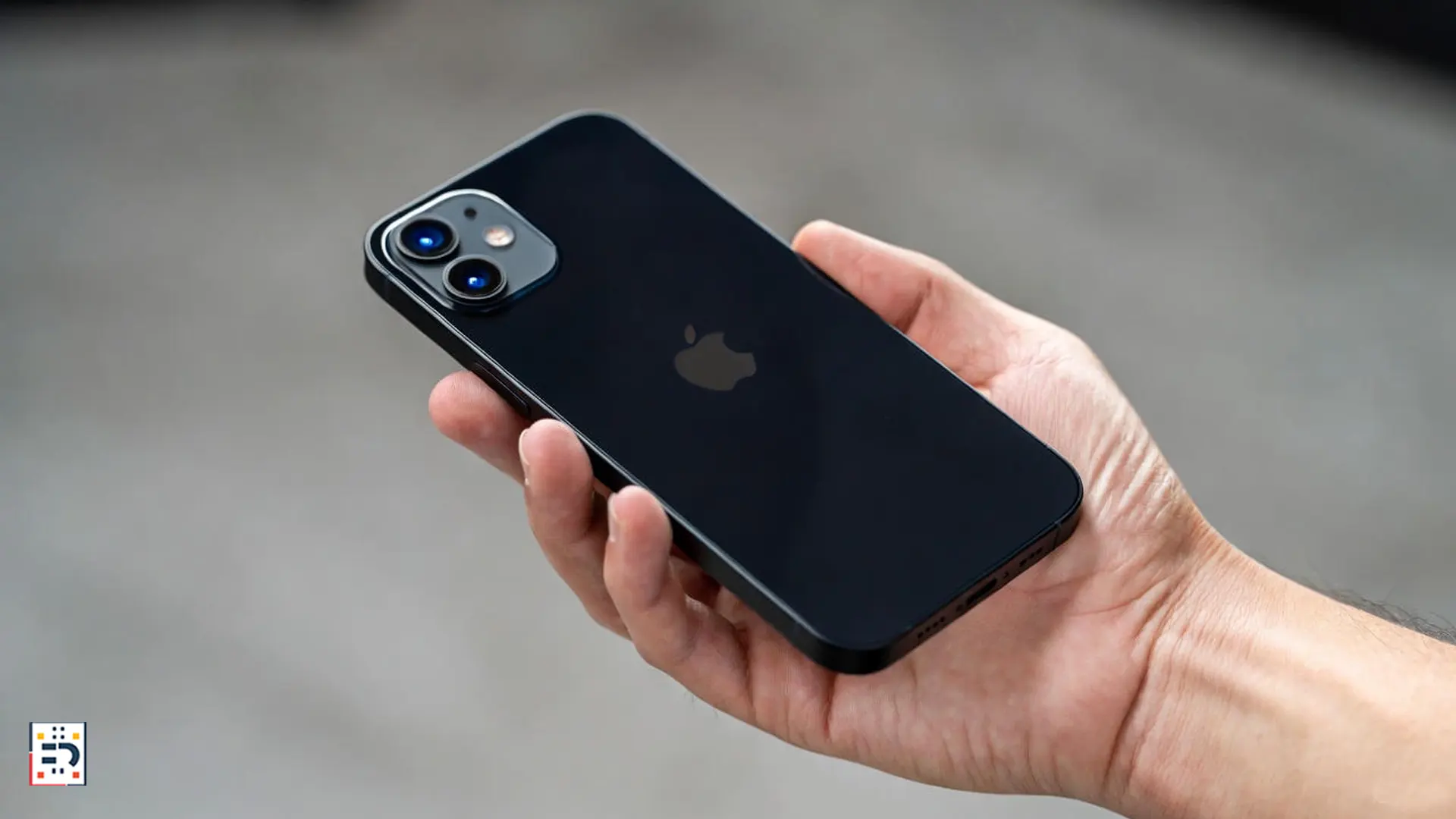
For years, smartphone screens have only grown bigger. But as consumer fatigue sets in, a surprising question is resurfacing in the tech world: is Apple ready to bring back the small phone?
Recent industry chatter suggests Apple may be reconsidering its abandoned compact form factor — sparking renewed interest in a potential iPhone Mini revival. In an era dominated by oversized devices, a “pocket-first” iPhone could represent a quiet but meaningful shift in Apple’s product strategy.
The Rise and Fall of the iPhone Mini
Apple introduced the iPhone Mini lineup to serve users who preferred one-handed usability without sacrificing performance. Despite critical praise, sales reportedly lagged behind larger models, leading Apple to discontinue the Mini after just two generations.
According to reporting from The Verge, consumer demand skewed heavily toward larger screens — especially as phones replaced tablets, wallets, and even laptops for many users.
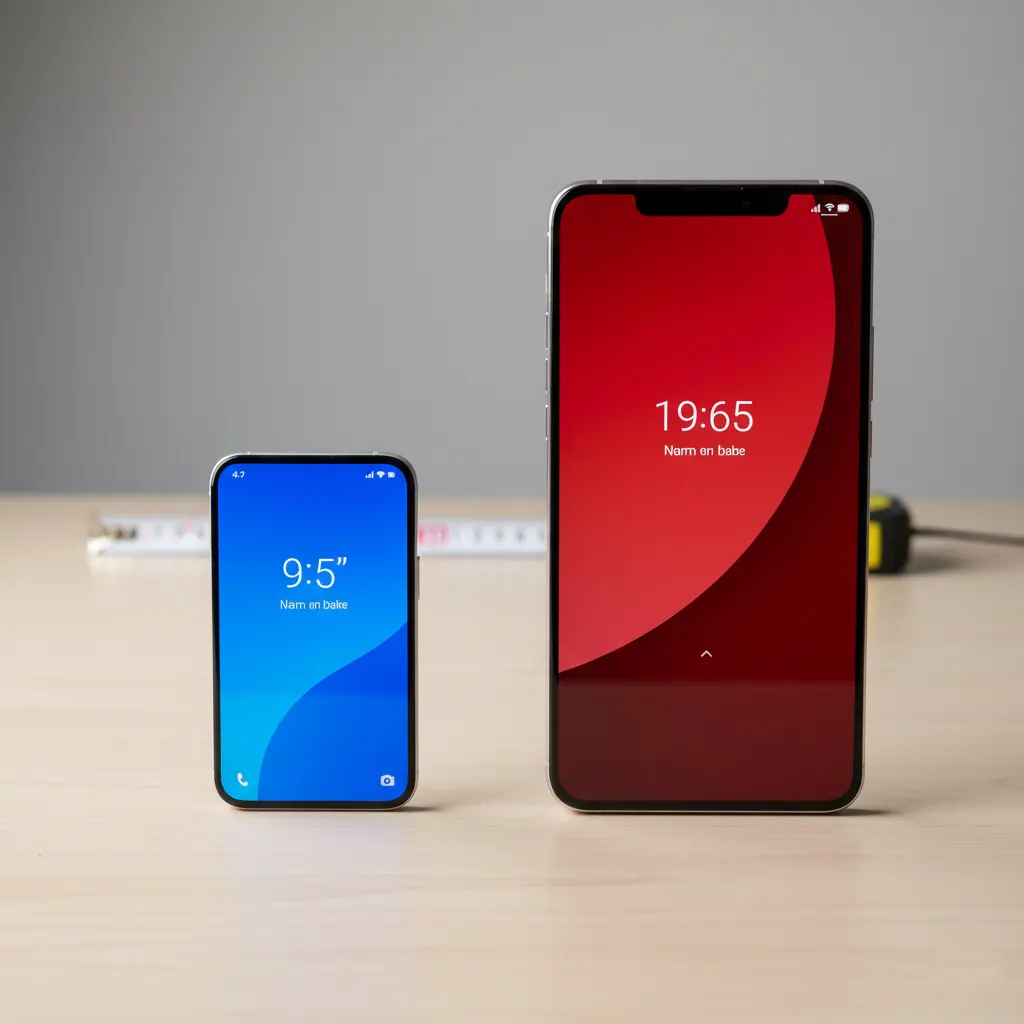
Why Small Phones Are Trending Again
Despite earlier sales struggles, market sentiment may be changing. Rising smartphone prices, heavier devices, and “screen fatigue” have sparked renewed interest in compact designs.
Analysts cited by Counterpoint Research note that a segment of premium buyers now values comfort, portability, and battery efficiency over sheer screen size.
- One-handed usability
- Lighter devices for daily carry
- Lower production and repair costs
- Clear differentiation in a crowded market
Apple’s “Pocket” Strategy Explained
Rather than relaunching the Mini as a mainstream flagship, Apple could reposition a compact iPhone as a niche premium device — similar to how the company treats the iPhone SE.
This strategy would allow Apple to:
- Reuse proven chipsets and components
- Appeal to minimalist and power users
- Expand its ecosystem without cannibalizing Pro models
Industry observers at Bloomberg Technology suggest Apple is increasingly focused on segmentation rather than one-size-fits-all devices.
The Role of Wearables and AI
Another factor supporting smaller phones is Apple’s expanding ecosystem. With Apple Watch, AirPods, and AI-powered features handling more tasks, phones no longer need to be massive command centers.
Advances in on-device AI could allow compact phones to deliver flagship-level performance without larger displays or batteries — a trend highlighted by analysts at McKinsey.

Would a Mini iPhone Succeed in Today’s Market?
The success of a Mini revival would depend on expectations. A compact iPhone is unlikely to dominate sales charts, but it doesn’t need to.
Instead, it could:
- Strengthen brand loyalty among long-time users
- Serve as a gateway device for new Apple customers
- Differentiate Apple in an increasingly homogeneous smartphone market
In a product lineup where most phones look and feel the same, standing out may matter more than chasing volume.
What a 2026 Mini iPhone Could Look Like
If Apple does revive the Mini concept, expectations are modest but focused:
- Top-tier Apple silicon
- Improved battery efficiency
- Premium materials in a smaller frame
- Deep integration with Apple’s AI and services ecosystem
Rather than nostalgia, the comeback would be about functionality — a phone designed to fit life, not dominate it.
Apple’s “pocket” revolution wouldn’t signal a retreat from innovation — it would signal refinement. In a market obsessed with bigger, louder, and more expensive devices, a smaller iPhone could feel surprisingly radical.
Whether or not the Mini returns, the conversation itself highlights a shift in consumer priorities. Sometimes, the future of technology isn’t bigger — it’s smarter.
#Apple #iPhoneMini #SmartphoneTrends #ConsumerTech #AppleRumors #TechInnovation #MobileDevices