

 By Vinod Ram
The AI race is no longer just about model performance—it’s about distribution, trust, and who controls the workflow. While OpenAI dominates consumer mindshare with ChatGPT, Anthropic is quietly winning where the real money is: the enterprise.
From regulated industries to Fortune 500 back offices, enterprises are choosing Anthropic’s Claude not because it’s flashier—but because it’s safer, more controllable, and easier to embed into serious business workflows.
Two Very Different AI Strategies
OpenAI and Anthropic are often grouped together, but their strategies have diverged sharply.
- OpenAI: Consumer-first, viral distribution, rapid feature launches
- Anthropic: Enterprise-first, safety-focused, workflow-native integration
ChatGPT’s explosive growth—documented by The Verge—made OpenAI a household name. But consumer popularity doesn’t automatically translate into enterprise dominance.
Why Enterprises Prefer Anthropic
Enterprises care less about novelty and more about predictability, compliance, and liability. That’s where Anthropic’s design philosophy resonates.
1. Safety and Constitutional AI
Anthropic’s “Constitutional AI” approach emphasizes bounded behavior, explainability, and reduced hallucination risk—key concerns for legal, finance, and healthcare teams.
According to analysis from Bloomberg, these safeguards are a major reason regulated industries are piloting Claude over rival models.
2. Claude Works Where Work Happens
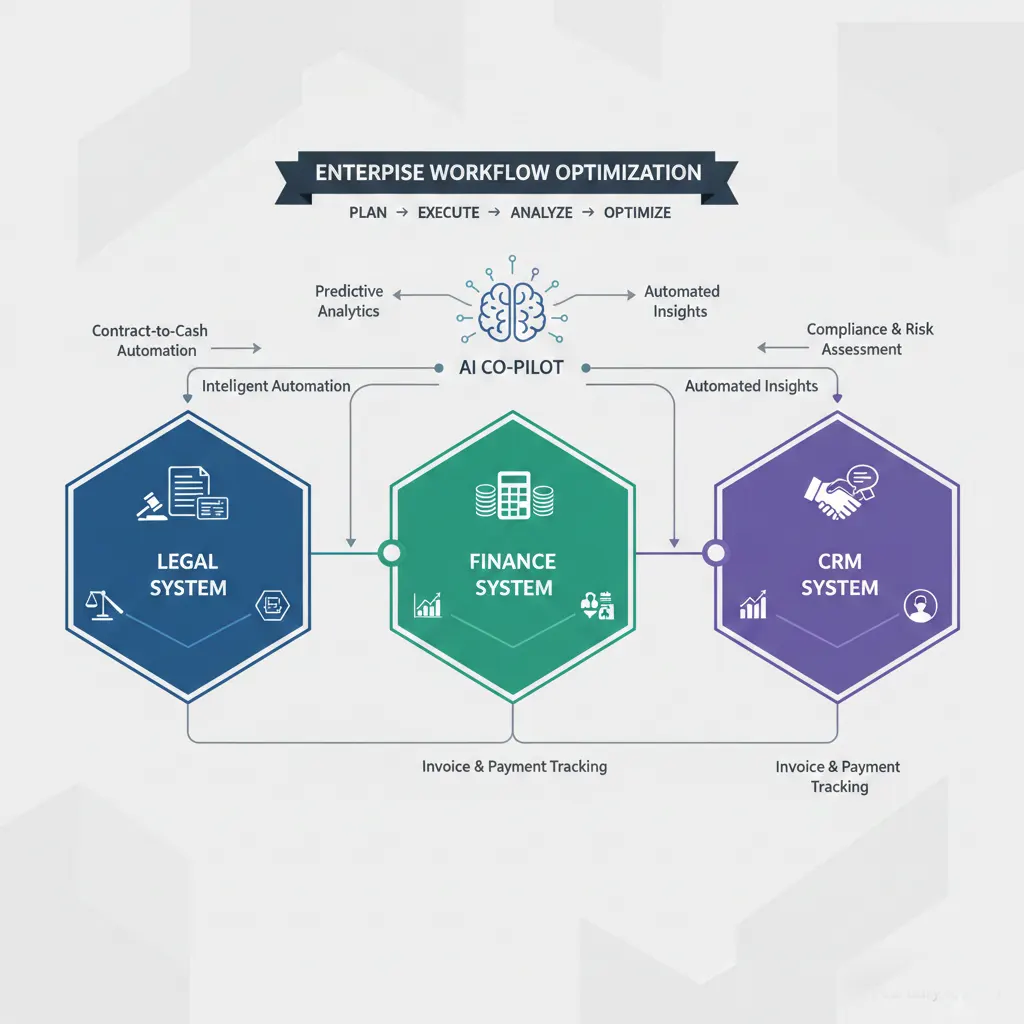
Anthropic has focused on embedding Claude directly into enterprise environments—contracts, internal documents, CRM systems, and compliance workflows.
Instead of asking employees to “go chat with an AI,” Claude shows up inside existing tools, reducing friction and shadow IT risks.
OpenAI’s Consumer Gravity Problem
OpenAI’s success with ChatGPT is also its constraint. The company must balance:
- Consumer product expectations
- Frequent UI and model changes
- Public-facing moderation controversies
Enterprise buyers—especially CIOs—see this as instability. As noted by CNBC, enterprises prefer vendors that change slowly and document everything.
Pricing, Control, and Procurement
Anthropic’s enterprise contracts emphasize:
- Clear data ownership
- Limited training on customer data
- Custom deployment options
OpenAI’s consumer-scale pricing and rapid iteration cycles often clash with enterprise procurement norms, according to enterprise software analysts cited by Forbes.

The Quiet Power of Enterprise Revenue
Consumer AI is loud. Enterprise AI is profitable.
Multi-year contracts, high switching costs, and deep workflow integration make enterprise customers far more valuable than monthly consumer subscribers.
This is why cloud giants like Amazon Web Services have leaned into Anthropic partnerships—enterprise AI aligns with their core customers.
The Endgame: Two AI Giants, Two Markets
This isn’t necessarily a winner-takes-all story.
OpenAI may continue to own consumer AI and developer ecosystems, while Anthropic becomes the default AI layer for enterprises that value safety, control, and compliance over hype.
In the long run, the AI company that dominates enterprise workflows may quietly generate more durable revenue—even without the spotlight.
#Anthropic #OpenAI #EnterpriseAI #ClaudeAI #ChatGPT #AITrends #TechStrategy