


For decades, video games relied on carefully written scripts, fixed quest lines, and predictable outcomes. In 2026, that era may finally be ending. Thanks to breakthroughs in AI gaming worlds, developers are creating infinite, personalized experiences that adapt to every player’s choices in real time.
The result? Games that never truly repeat themselves — and stories no two players experience the same way.
Why Pre-Scripted Quests Are Becoming Obsolete
Traditional quest design requires months of writing, testing, and branching logic. While effective, it limits player freedom and replayability.
New AI-driven systems allow games to generate quests dynamically, responding to player behavior, moral choices, and play style — a shift already explored by studios using technologies inspired by large language models.
How AI Creates Infinite Gaming Worlds
Modern AI engines combine procedural generation with narrative intelligence. Instead of pulling from a finite list, the game invents characters, conflicts, and objectives on the fly.
Companies like Epic Games and Unity are actively experimenting with AI-driven world-building tools for next-generation engines.
Personalized Storytelling in Real Time
In AI-powered RPGs, NPCs remember your actions, evolve emotionally, and react differently depending on your reputation. Dialogue is no longer static — it’s generated in context.
Early demonstrations showcased at events like GDC reveal NPCs capable of holding unscripted conversations, negotiating outcomes, and even lying or improvising.
What This Means for Players
- No repeated quest structures
- Dynamic factions and evolving alliances
- Stories shaped by personal ethics and playstyle
- Virtually endless replay value
Players are no longer “completing content” — they are co-authoring it.
The Challenges Developers Still Face
Infinite worlds introduce new risks: narrative coherence, moderation, performance costs, and ethical guardrails.
According to insights from GamesIndustry.biz, studios must balance creative freedom with design discipline to avoid chaotic or shallow experiences.
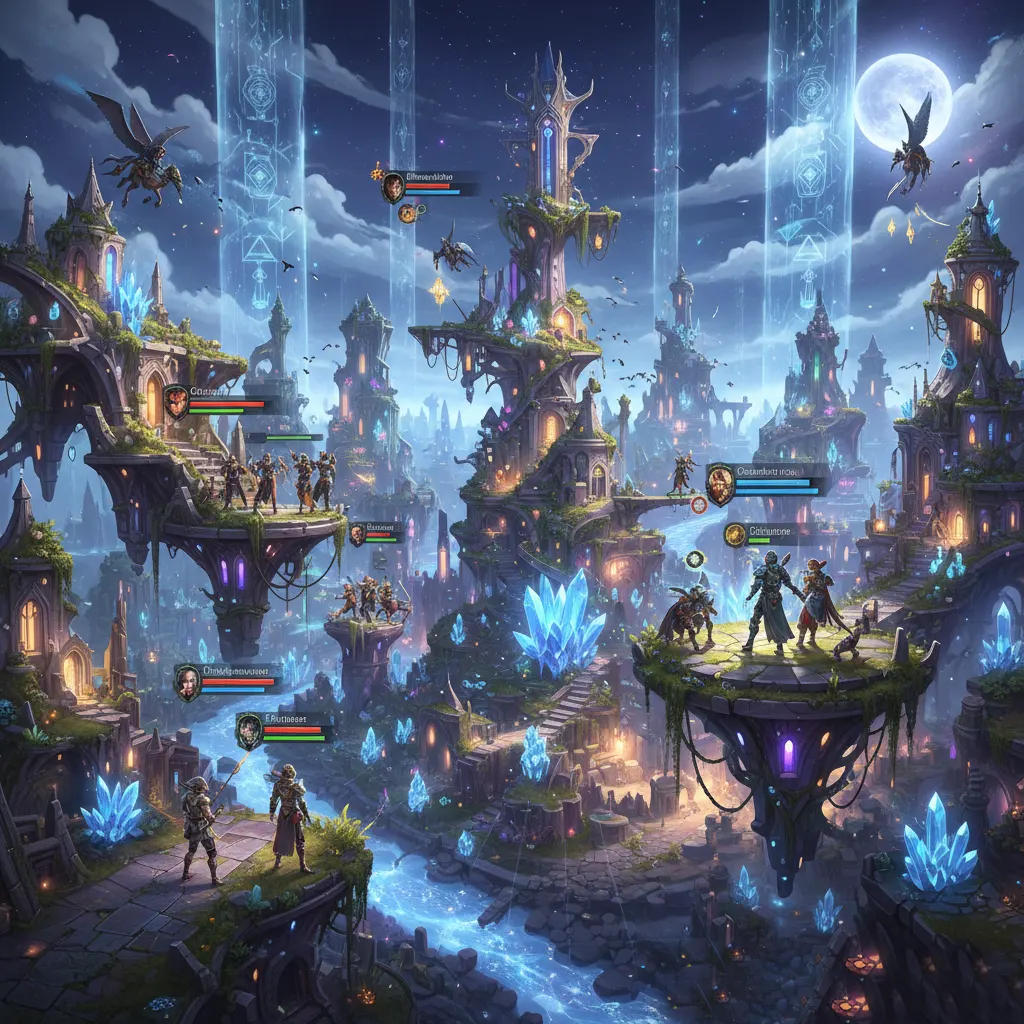
Is This the Future of Gaming?
Many analysts believe AI-generated worlds will define the next decade of gaming, much like open worlds and online multiplayer once did.
Research from McKinsey suggests interactive entertainment will be one of AI’s most transformative industries.
What Comes Next
By the end of 2026, the idea of “finishing” a game may feel outdated. Instead, players will leave worlds that continue evolving — even without them.
The age of pre-scripted quests is fading. The age of infinite worlds has arrived.
#AIGaming #FutureOfGaming #ProceduralStorytelling #GameDevelopment #NextGenGames #TechTrends