


The proposed rollback of the Endangerment Finding under the Environmental Protection Agency (EPA) could reshape America’s vehicle market — and directly impact your wallet.
If the repeal moves forward, it could weaken federal authority to regulate greenhouse gas emissions under the Clean Air Act. That means potential changes to fuel economy standards, electric vehicle incentives, and long-term car pricing.
Here’s what it means for everyday drivers, EV buyers, and the broader auto market.
What Is the Endangerment Finding?
In 2009, the EPA determined that greenhouse gases pose a threat to public health and welfare. This “Endangerment Finding” gave the agency authority to regulate vehicle emissions nationwide.
This ruling became the legal foundation for stricter mileage standards, emissions caps, and policies accelerating electric vehicle adoption.
Learn more directly from the EPA vehicle emissions overview.
What Happens If It’s Repealed?
If repealed, several ripple effects could follow:
- Looser fuel economy requirements
- Delayed EV mandates
- Potential rollback of emissions-based penalties
- More flexibility for automakers
However, states like California may still enforce stricter rules under waivers previously granted by the EPA.
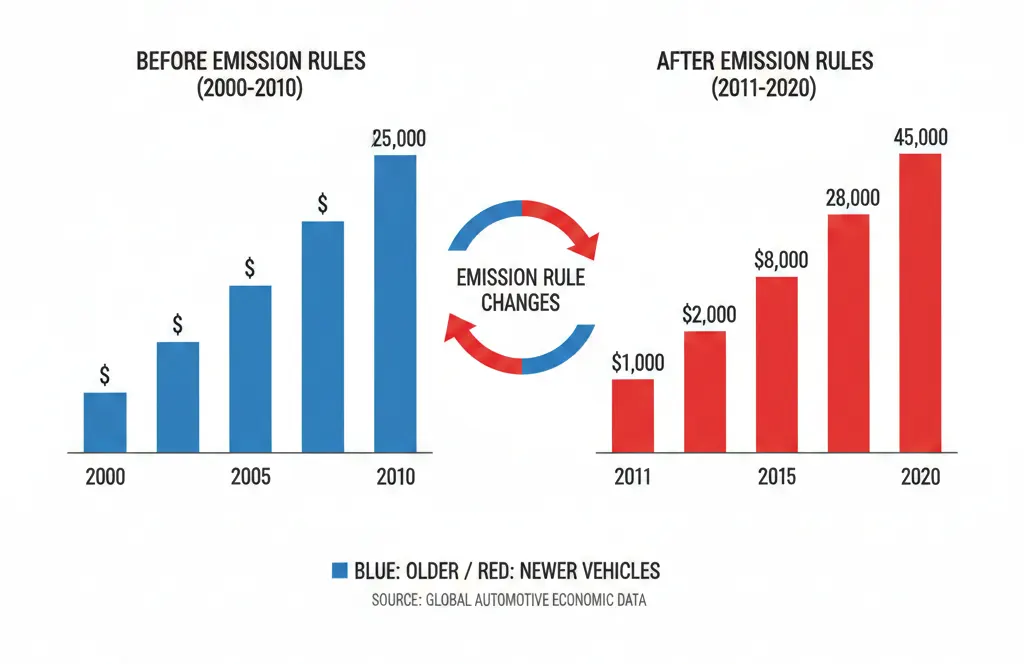
How It Could Affect Car Prices
Short-Term Impact
Automakers argue that compliance with strict emissions rules raises production costs. Looser standards could reduce manufacturing expenses, potentially lowering sticker prices.
Long-Term Impact
But there’s a trade-off. Vehicles with lower fuel efficiency may cost more in gasoline over time. According to data from the U.S. Department of Energy, fuel efficiency improvements have saved drivers thousands over a vehicle’s lifespan.
Impact on Electric Vehicles (EVs)
The repeal could slow federal EV momentum. While the Inflation Reduction Act EV tax credits remain law, regulatory pressure is a major driver of manufacturer EV investment.
Automakers such as Tesla, General Motors, and Ford have already committed billions to EV production. Policy uncertainty could influence future capital allocation.
Fuel Prices and Efficiency
Looser emissions standards often correlate with relaxed Corporate Average Fuel Economy (CAFE) targets. That could mean:
- Lower average MPG ratings
- Higher long-term gasoline spending
- Reduced national fuel efficiency progress
You can compare fuel economy ratings at the official FuelEconomy.gov database.
What This Means for Investors and the Auto Market
Markets react quickly to regulatory shifts. The auto sector, EV supply chains, and traditional oil producers may all see volatility.
Regulatory shifts also affect global competitiveness, especially as the European Union pushes forward with aggressive climate targets.
Should Consumers Buy Now or Wait?
Here’s how to think about it:
- Buying a gas vehicle? Prices may stabilize or fall slightly if compliance costs ease.
- Buying an EV? Tax credits remain — but long-term incentives could shift depending on policy outcomes.
- Leasing? Regulatory uncertainty may increase residual value volatility.
As always, evaluate total cost of ownership — not just the sticker price.
The Endangerment Repeal debate isn’t just about emissions. It’s about the future direction of U.S. energy policy, manufacturing, and household transportation costs.
For consumers, the key question is simple: Will regulatory changes lower upfront costs — or increase long-term fuel spending?
The answer may determine how much you ultimately pay.
#EndangermentRepeal #VehicleEmissionRules #CarPrices #ElectricVehicles #FuelEconomy #ClimatePolicy #AutoIndustry