

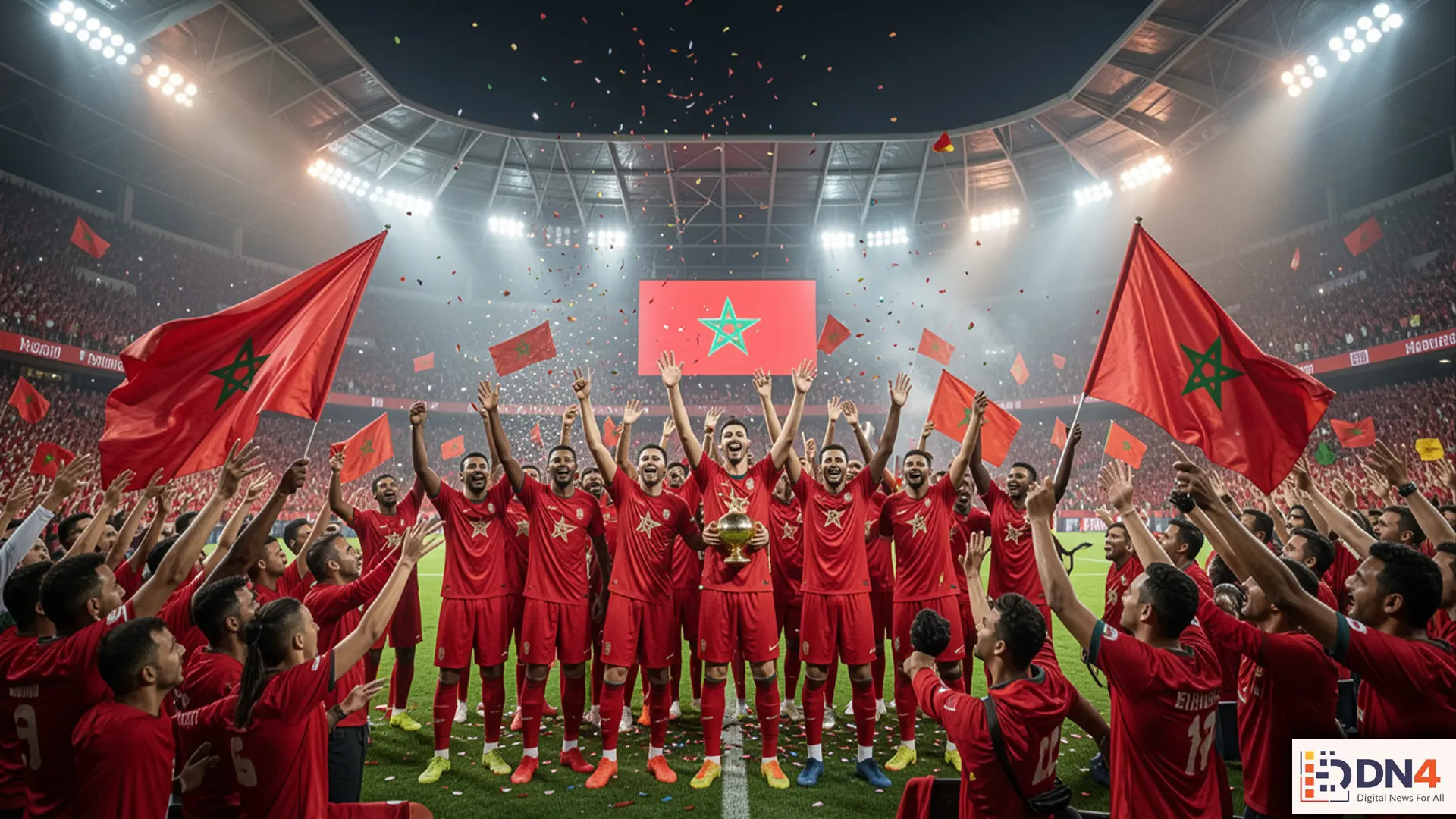
Few moments in international football capture global attention like a major World Cup upset. Morocco’s historic victory became a defining example of determination, tactical discipline, and team unity on football’s biggest stage.
The result shocked many supporters and analysts who viewed the match as a difficult challenge against a highly respected opponent. However, Morocco’s performance demonstrated how preparation, defensive organization, and belief can overcome expectations in elite football.
A Historic Moment for Moroccan Football
Morocco’s success represented more than a single match victory. It became a milestone for African and Arab football, showing the growing competitiveness of teams outside traditional football powerhouses.
The achievement highlighted the strength of Morocco’s football development system and the increasing quality of players competing at the highest levels of the sport.
Information and official tournament coverage from FIFA continue documenting the impact of major World Cup performances and football’s global growth.
The Tactical Blueprint Behind the Victory
One of the biggest factors behind Morocco’s success was tactical discipline. The team demonstrated strong defensive organization, effective pressing, and intelligent counter-attacking strategies.
Instead of relying only on possession, Morocco focused on controlling key areas of the pitch and limiting opportunities for their opponents.
Modern football analysis increasingly emphasizes tactical flexibility, with teams using data and performance insights to improve decision-making.

Defensive Strength and Team Chemistry
A successful tournament performance requires more than individual talent. Morocco’s defensive structure showed the importance of communication, teamwork, and collective responsibility.
The players maintained concentration under pressure and displayed the confidence needed to compete against some of the world’s strongest football nations.
Organizations such as UEFA regularly highlight the importance of tactical development and competitive standards in international football.
The Role of Player Mentality
Major upsets often come down to mentality. Morocco’s players entered the match with belief, discipline, and the motivation to create football history.
International tournaments provide opportunities for teams to challenge expectations and prove that preparation can be just as important as reputation.
The psychological side of sport has become a major area of research, with organizations such as the American Psychological Association studying performance, motivation, and pressure management.
Impact on Global Football
Morocco’s victory inspired fans around the world and reinforced the idea that football continues becoming more globally competitive.
The success of emerging football nations creates new opportunities for investment, youth development, and international recognition.
Football governing bodies and development programs continue working to expand access and improve competitive opportunities across regions.

What This Victory Means for the Future
Morocco’s performance may influence how teams approach international competitions in the future. Smaller football nations are increasingly proving that strong organization, coaching, and player development can challenge traditional favorites.
The victory represents a shift in football where preparation, strategy, and teamwork can close the gap between established giants and rising contenders.
Morocco’s World Cup victory will be remembered as a powerful example of football’s unpredictability and global growth.
The match demonstrated that success at the highest level is not determined only by reputation. Tactical intelligence, unity, and determination can create moments that change football history.
#Morocco #WorldCup #FootballNews #SoccerAnalysis #FIFAWorldCup #FootballHistory #SportsTrends #GlobalFootball #MatchAnalysis