

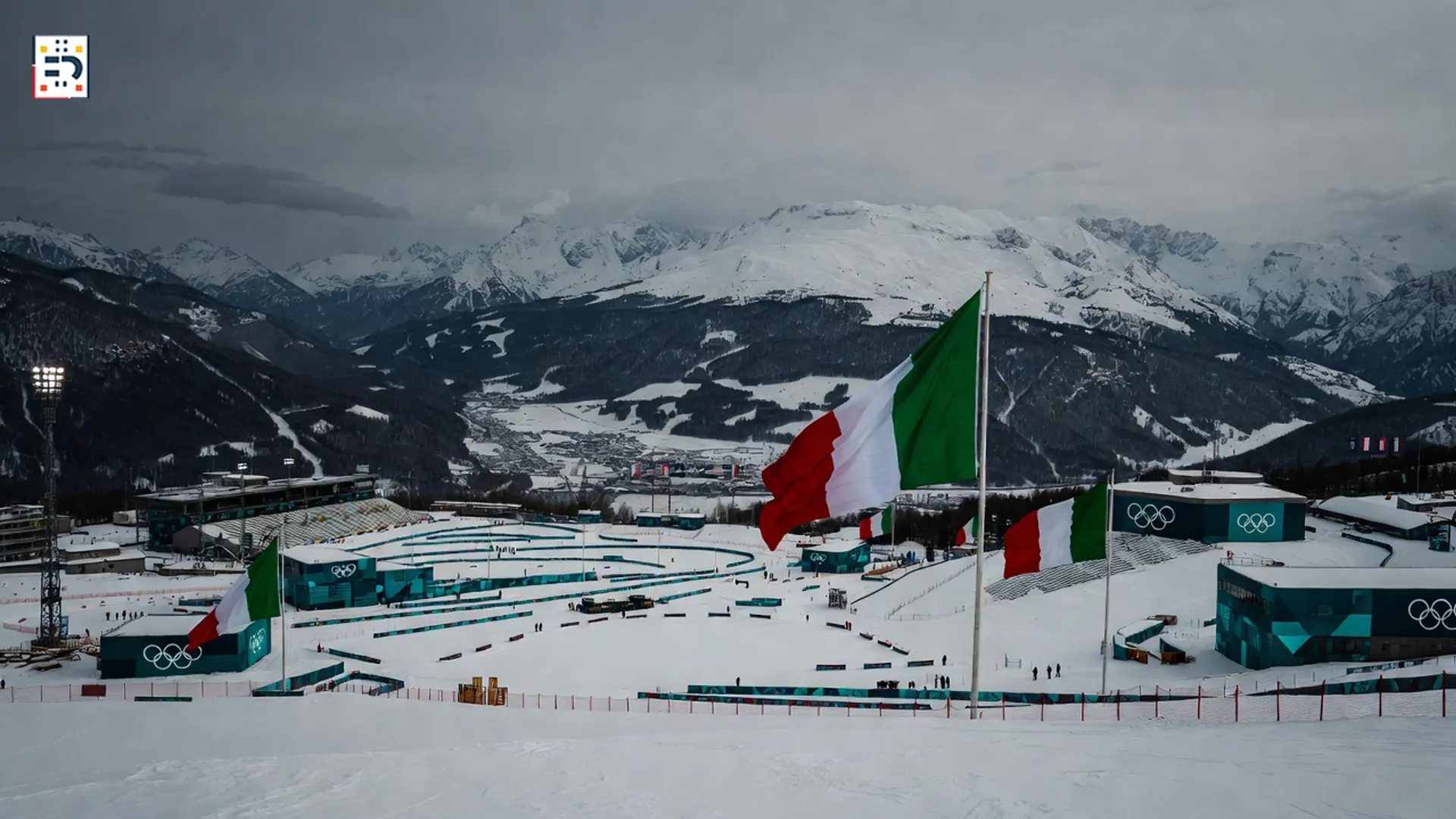
As preparations intensify for the Milano Cortina 2026 Winter Olympics, an unexpected diplomatic and cultural controversy has emerged. Reports that the United States plans to deploy a specialized ICE (Immigration and Customs Enforcement) unit to Italy for “security support” have left Italian officials, civil rights groups, and even athletes openly puzzled.
In a country where Olympic security is traditionally handled by domestic law enforcement and European partners, the presence of an American immigration agency has raised eyebrows—and questions.
What Is the ICE Unit Being Sent to Italy?
According to U.S. officials, the ICE deployment is described as a “specialized support unit” focused on intelligence sharing, transnational crime prevention, and coordination around high-risk international travel.
ICE’s Homeland Security Investigations branch often works abroad with foreign governments on issues such as document fraud, trafficking networks, and large-scale event security. However, its involvement is rarely this visible—or controversial.
Why Italian Officials Are Confused
Italy already has a robust security framework for the Games, involving the Polizia di Stato, Carabinieri, and EU-level cooperation mechanisms. Several Italian lawmakers have publicly questioned what role ICE would play that local or European authorities cannot.

Adding to the confusion is the agency’s name. In Italy, “ICE” has no association with immigration enforcement, leading to initial misunderstandings in local media and among the public.
Athletes and Advocacy Groups Raise Concerns
Some athletes and advocacy organizations worry the presence of ICE could create anxiety for competitors, staff, or spectators—particularly those from immigrant or refugee backgrounds.
Debates over immigration policy and civil liberties frequently link to ICE, a politically charged institution in the United States. Critics argue that importing that symbolism into an international sporting event risks undermining the Olympic spirit.
The U.S. Perspective: “Standard Security Cooperation”
U.S. officials insist the move is routine. Large international events—from the Olympics to World Cups—often involve behind-the-scenes cooperation between allied security agencies.
From Washington’s perspective, the goal is preventive: identifying threats before they materialize and ensuring the safety of American athletes and visitors abroad.

Why This Feels Different
What makes the Milano Cortina case unique is visibility. Unlike quiet intelligence coordination, the ICE deployment became public early. It triggered political and cultural interpretations on both sides of the Atlantic.
For Italians, it raises questions about sovereignty and necessity. For Americans, it highlights how domestic agencies are increasingly operating on a global stage.
A Test Run for Future Global Events?
The controversy may foreshadow how security teams will secure future mega-events in an era of heightened geopolitical tension. As international cooperation deepens, so too does scrutiny over who provides security—and under what authority.
For now, Milano Cortina 2026 has an unexpected subplot: not ice on the slopes, but ICE in the headlines.
#MilanoCortina2026 #WinterOlympics #ICEControversy #OlympicSecurity #ItalyNews #GlobalPolitics #SportsAndPolitics