

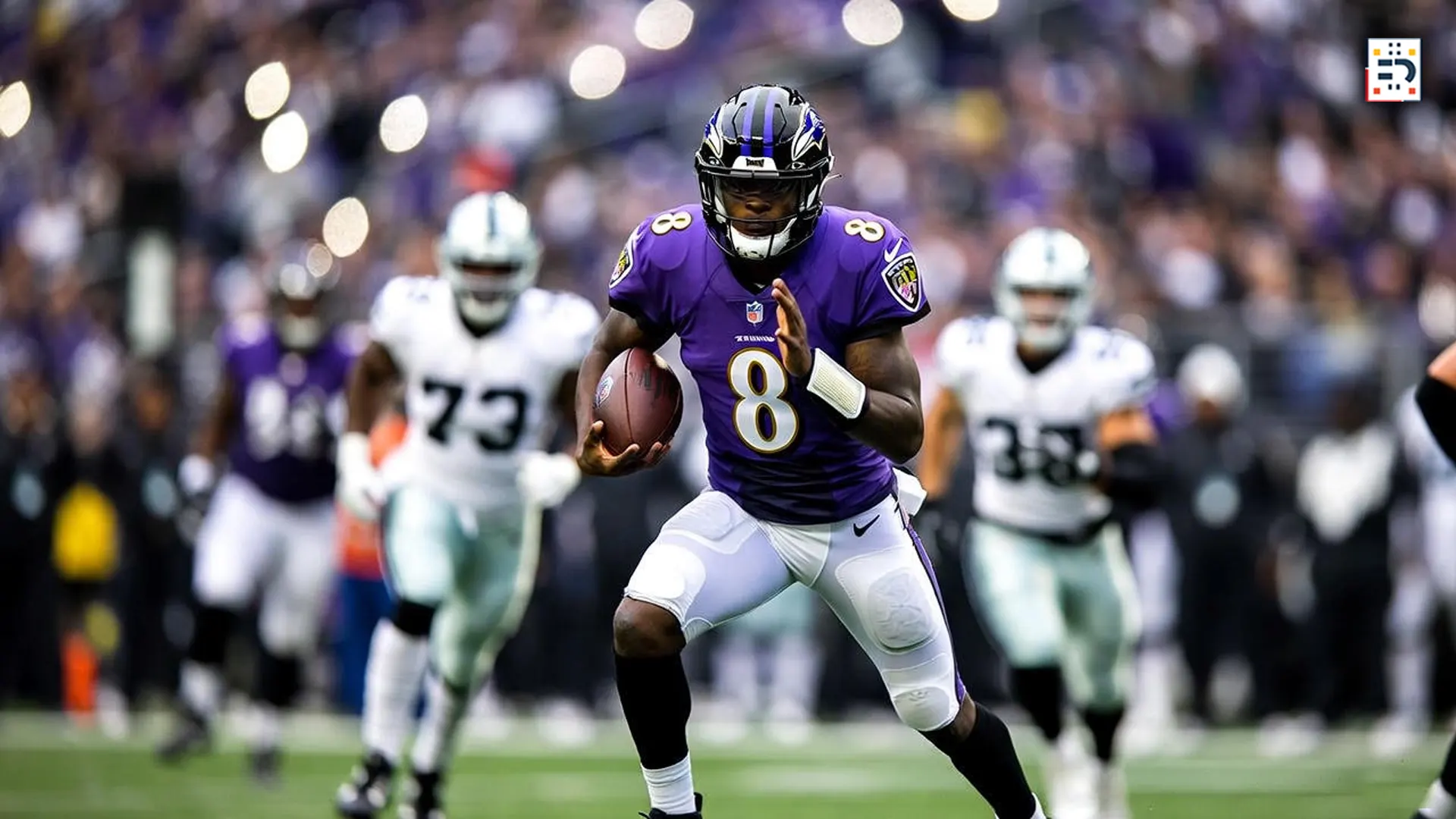
Lamar Jackson’s journey from questioned draft prospect to NFL MVP has reshaped how quarterbacks are evaluated, coached, and built around. Once labeled as “too raw” or “too reliant on his legs,” Jackson has evolved into one of the league’s most influential players—changing the future of the quarterback position in the process.
His impact goes beyond highlight runs. It’s altering offensive schemes, scouting philosophies, and what teams now believe is possible at quarterback.
Early Doubts and a Different Skill Set
When Lamar Jackson entered the NFL, critics questioned whether his athleticism could translate into long-term success at quarterback. Despite winning the Heisman Trophy at Louisville, many analysts suggested he switch positions.
According to draft coverage from NFL.com, Jackson’s passing mechanics and decision-making were heavily scrutinized—often more than those of traditional pocket passers.
What followed challenged decades of quarterback orthodoxy.
The MVP Season That Changed the Narrative
Jackson’s 2019 MVP season forced the league to reconsider long-held assumptions. His ability to combine elite rushing with efficient passing broke defensive game plans and record books alike.
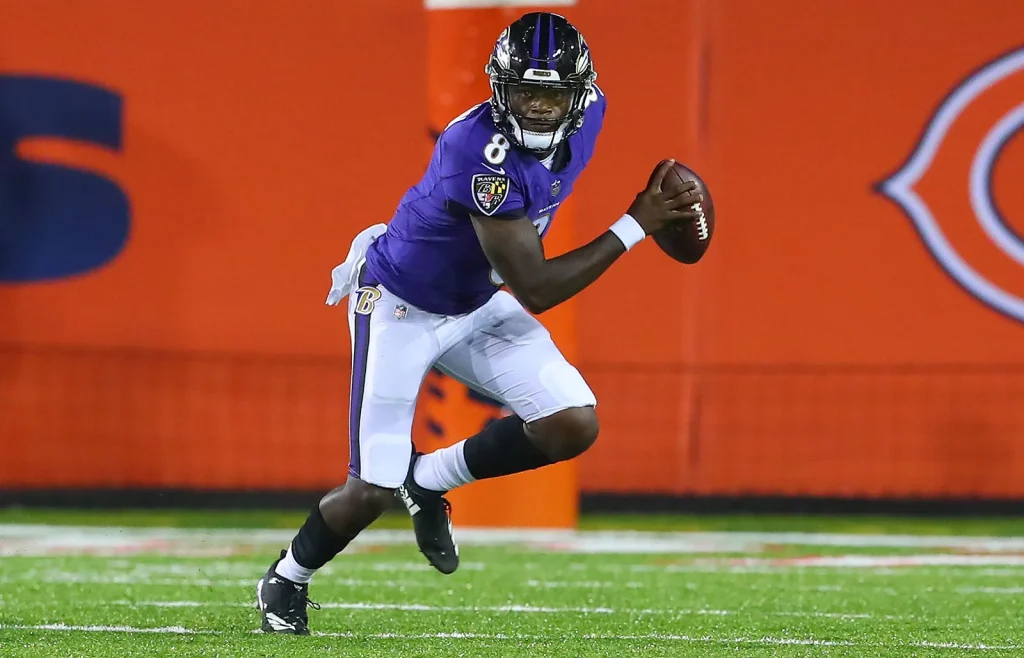
As documented by Pro Football Reference, Jackson became the first quarterback to rush for over 1,000 yards in a season while leading one of the NFL’s most productive offenses.
More importantly, the Baltimore Ravens redesigned their offense around his strengths—something many teams previously resisted doing for mobile quarterbacks.
How Lamar Jackson’s Playing Style Has Evolved
What separates Lamar Jackson from earlier dual-threat quarterbacks is his continuous development as a passer.
- Improved pocket awareness and timing
- More consistent short and intermediate accuracy
- Greater command at the line of scrimmage
NFL analysts at ESPN have noted that Jackson now wins games as often with anticipation and decision-making as with speed.
Changing How NFL Teams Build Offenses
Lamar Jackson’s success has influenced how franchises design offenses and evaluate quarterback prospects.
Instead of forcing players into rigid systems, teams are increasingly tailoring schemes to maximize unique skill sets—particularly mobility and playmaking outside structure.
This shift is evident in the rise of quarterbacks who blend athleticism with passing growth, a trend regularly discussed in coaching analysis from The Athletic.
The New Prototype for NFL Quarterbacks
Jackson has helped redefine what the “ideal” quarterback looks like in today’s NFL:
- Elite athleticism as a weapon, not a liability
- Passing efficiency over traditional aesthetics
- Offensive adaptability built around player strengths
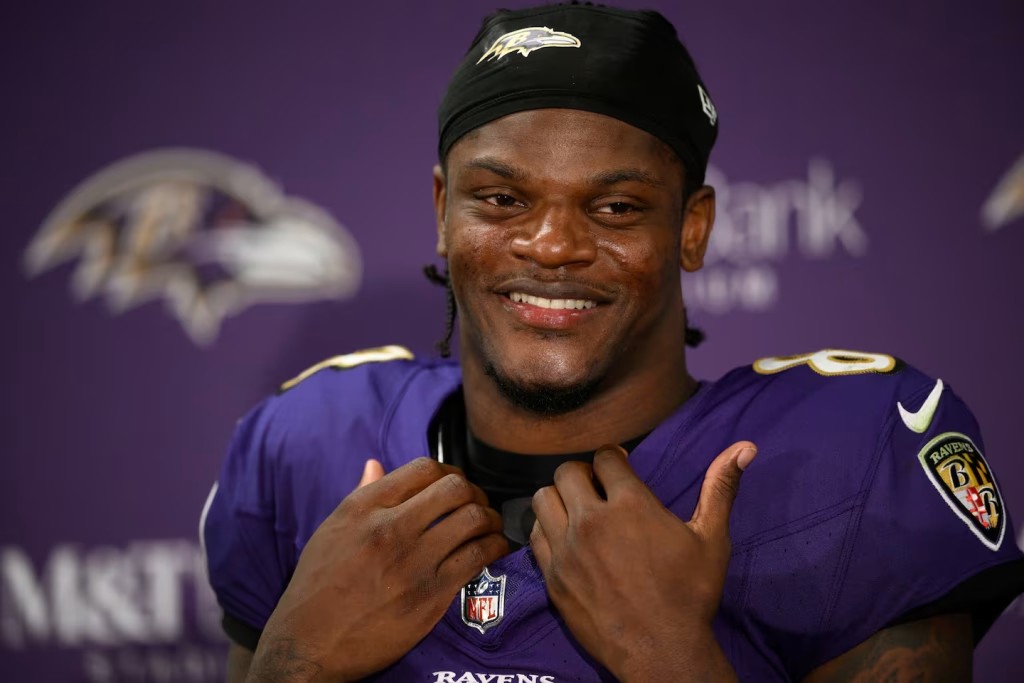
Younger quarterbacks entering the league now benefit from a scouting environment more open to nontraditional skill sets—something that wasn’t always the case.
Long-Term Impact on the League
Lamar Jackson’s evolution isn’t just about personal growth—it’s about systemic change. From college recruiting to professional coaching, his success has expanded the definition of quarterback excellence.
As the NFL continues to prioritize speed, versatility, and innovation, Jackson’s influence will be felt long after his playing days are over.
Lamar Jackson didn’t just prove doubters wrong—he changed the conversation. By evolving his game while staying true to his strengths, he has helped shape the future of NFL quarterbacks.
His legacy may ultimately be measured not only in wins and awards, but in how many players are now given the freedom to succeed by being exactly who they are.
#LamarJackson #NFLQuarterbacks #NFLEvolution #DualThreatQB #FootballAnalysis #NFLNews