

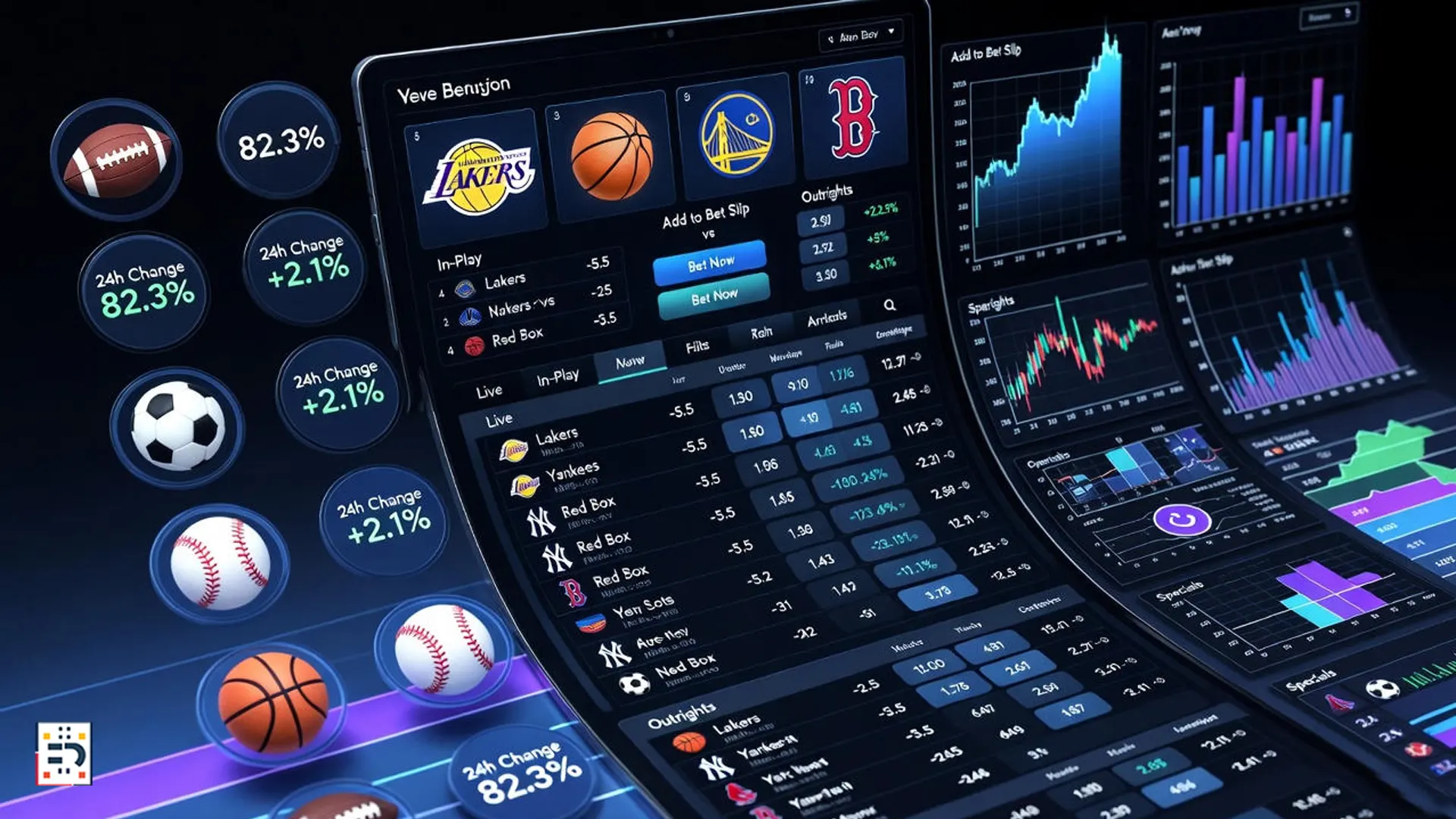
Sports betting is no longer just about gut instinct or insider tips. In today’s data-driven landscape, advanced analytics platforms, real-time odds tracking, and algorithmic models are reshaping how bettors make decisions. At the center of this shift is what many insiders now call the “Juice Reel” effect.
This deep dive explores how data tools are transforming modern sports betting, why bettors are becoming more analytical, and what this evolution means for sportsbooks, fans, and regulators.
What Is the “Juice Reel” Effect?
The Juice Reel effect refers to the way modern data tools continuously surface betting opportunities — line movements, value gaps, and market inefficiencies — creating a constant stream of actionable insights.
Instead of placing occasional wagers, bettors are now exposed to a near real-time “reel” of data-driven signals, powered by advanced analytics.
According to analysis from Forbes SportsMoney, this shift has dramatically increased betting volume while changing how risk is evaluated.
The Rise of Sports Betting Data Platforms
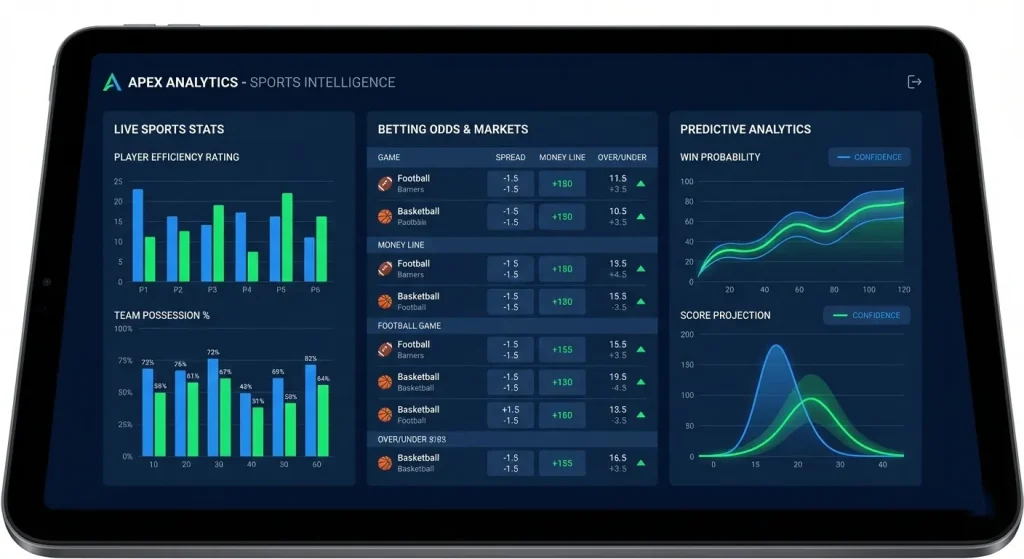
Modern sports betting is increasingly shaped by specialized data tools that aggregate statistics, betting lines, and predictive models.
Popular platforms highlighted by ESPN Chalk include tools that offer:
- Real-time odds comparison across sportsbooks
- Advanced player and team analytics
- Historical performance modeling
- Automated alerts for line movement
These platforms don’t just inform bettors — they influence betting behavior at scale.
From Intuition to Algorithms
Traditional betting relied heavily on intuition, matchup narratives, and media commentary. Today, algorithms increasingly drive decisions.
As reported by Business Insider, machine learning models now factor in:
- Player fatigue and injury probability
- Weather impact simulations
- Referee tendencies
- Public betting sentiment
This shift doesn’t eliminate human judgment — but it reframes it. Bettors are now managers of data, not just fans with opinions.
The Juice Reel and Betting Psychology
While data tools improve accuracy, they also change psychology.
Behavioral experts cited by Psychology Today warn that constant data streams can:
- Create a false sense of control
- Encourage overconfidence
- Increase betting frequency
The Juice Reel effect keeps bettors engaged, often blurring the line between analysis and impulse.
How Sportsbooks Are Adapting
Sportsbooks are not passive observers in this data arms race.
According to coverage from CNBC Sports, operators are investing heavily in:
- Proprietary data models
- Dynamic odds adjustment
- Personalized betting interfaces
- In-play and micro-betting markets
The result is a faster, more competitive market — where margins are thinner and information moves instantly.

Regulation, Transparency, and Data Ethics
As betting becomes more data-driven, regulators face new challenges.
Industry discussions reported by Reuters highlight concerns around:
- Algorithmic transparency
- Responsible gambling safeguards
- Data access equality
Ensuring that advanced tools don’t unfairly disadvantage casual bettors is becoming a central policy question.
What the Future of Sports Betting Looks Like
The Juice Reel effect is still evolving.
Looking ahead, experts anticipate:
- Greater use of AI-driven predictions
- Deeper integration of live data feeds
- More personalized betting experiences
- Stricter oversight on data usage
As noted by Statista, the US sports betting market continues to grow — and data tools will remain central to that expansion.
The Juice Reel effect has fundamentally changed sports betting. Data tools have empowered bettors with unprecedented insight — but also introduced new psychological and ethical complexities.
In this new era, success depends not just on having the best data, but on knowing when to trust it — and when to step back.
#SportsBetting #DataAnalytics #BettingTrends #SportsTech #DigitalBetting #AlgorithmicBetting