


For years, younger adults reporting rectal bleeding have often been told the same thing: “You’re too young for anything serious.” But medical experts are now warning that this dismissive approach—often called medical gaslighting—can delay diagnosis of life-threatening conditions, including colorectal cancer.
The Dangerous Assumption: “It’s Just Hemorrhoids”
Hemorrhoids are common, but they are not the only cause of rectal bleeding. According to the American Cancer Society, rates of colorectal cancer are rising rapidly among adults under 50.
Despite this trend, many patients report being reassured without proper testing, especially when they lack a family history of cancer. This pattern has led advocacy groups to raise concerns about diagnostic delays.
What Is Medical Gaslighting?
Medical gaslighting occurs when a patient’s symptoms are dismissed, minimized, or blamed on anxiety, lifestyle, or age. Health researchers cited by Harvard Health Publishing note that younger patients—especially women—are more likely to experience this phenomenon.
Being told symptoms are “normal” or “nothing serious” can discourage patients from seeking follow-up care until disease has progressed.
Colorectal Cancer Is No Longer an “Older Person’s Disease”
The Centers for Disease Control and Prevention (CDC) reports that colorectal cancer is now one of the leading causes of cancer death in adults aged 20–49.
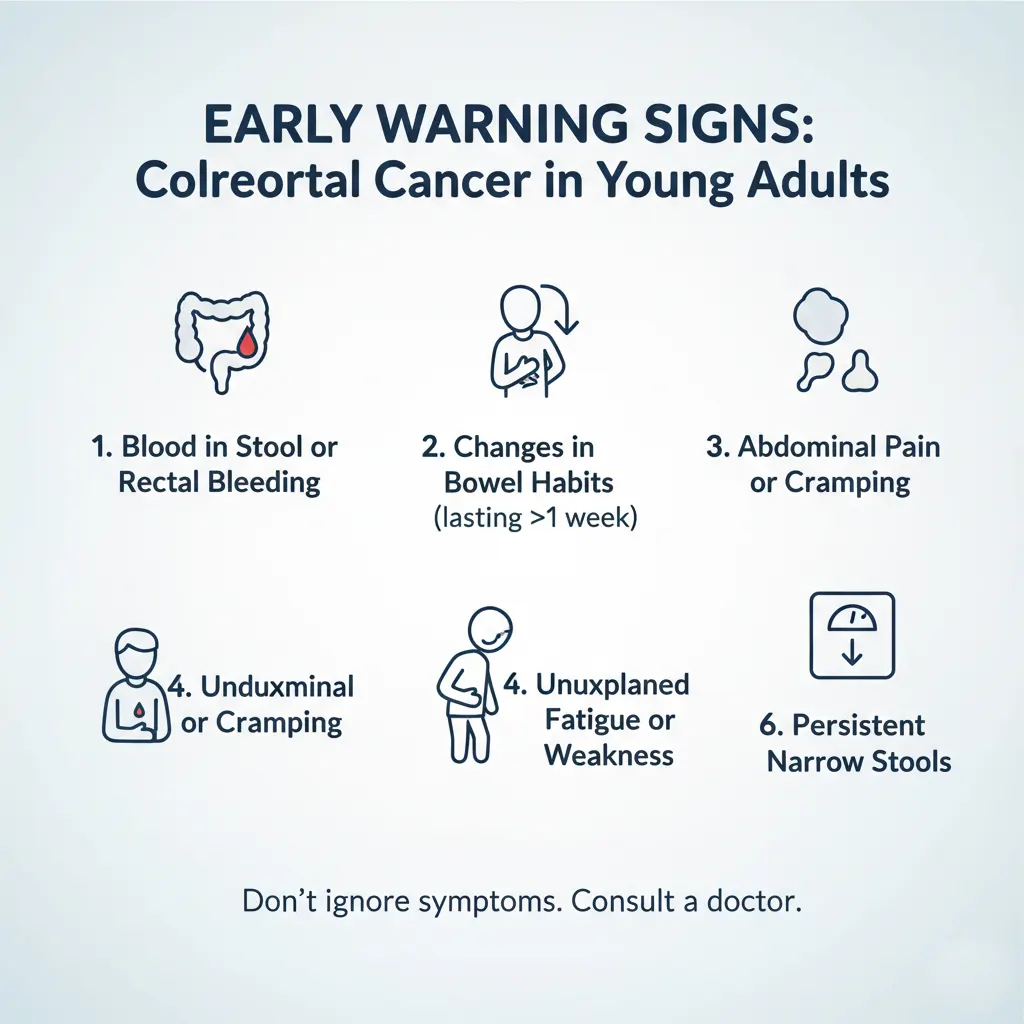
Warning signs that should never be ignored include:
- Rectal bleeding or blood in stool
- Persistent changes in bowel habits
- Unexplained weight loss
- Chronic fatigue or iron-deficiency anemia
When to Push for Further Testing
Medical organizations such as the American Gastroenterological Association stress that rectal bleeding should always be evaluated, regardless of age.
Diagnostic tools may include stool tests, imaging, or colonoscopy—now recommended to begin at age 45 for average-risk adults by the U.S. Preventive Services Task Force.

Why Early Detection Saves Lives
When detected early, colorectal cancer has a five-year survival rate of over 90%, according to data published in PubMed. Delayed diagnosis, however, often means more aggressive treatment and poorer outcomes.
How Young Adults Can Advocate for Their Health
- Document symptoms clearly and consistently
- Ask direct questions about diagnostic options
- Seek a second opinion if concerns are dismissed
- Know your family and personal health history
Listening to your body—and insisting that others do too—can be lifesaving.
Medical Disclaimer: This article is for informational purposes only and does not constitute medical advice. Always consult a qualified healthcare professional.
#RectalBleeding #YoungAdultHealth #ColorectalCancer #MedicalGaslighting #CancerAwareness #HealthNews