

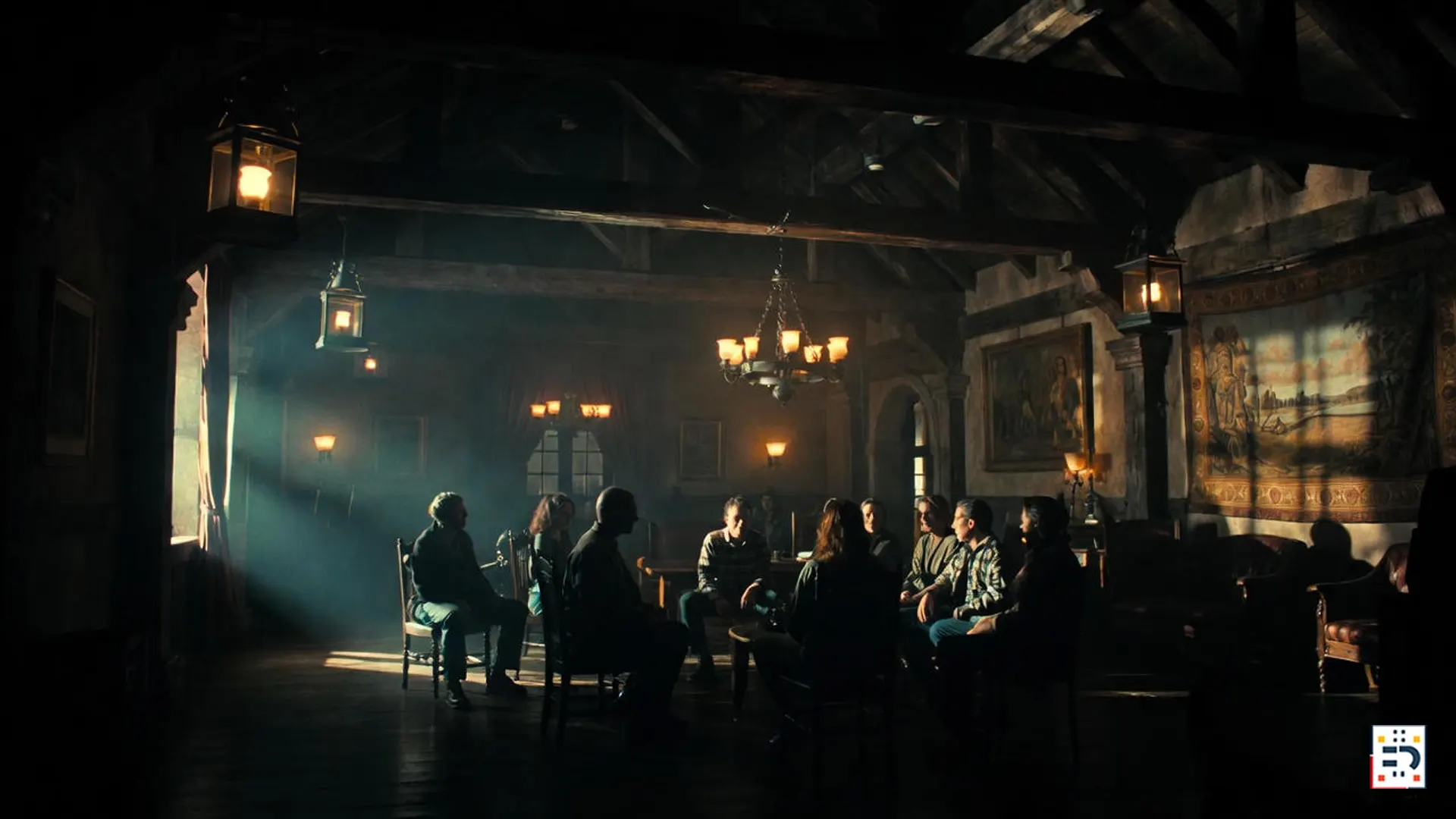
The Traitors Season 3 has officially transformed reality television into a high-stakes psychological battlefield. What began as a clever social experiment has evolved into one of the smartest, darkest, and most strategic competition shows on television.
Blending mystery, manipulation, and social deduction, the series has captivated audiences across the U.S. and global streaming markets—cementing itself as a defining reality TV phenomenon of the decade.
Why The Traitors Season 3 Feels Different
Unlike traditional reality competition shows driven by physical challenges or popularity contests, The Traitors thrives on distrust. This season, the gameplay has reached new levels of sophistication, with contestants weaponizing information, silence, and perception.
As explained by Vulture’s reality TV analysis, the show’s brilliance lies in how it turns human psychology into the primary playing field.
Key Elements Elevating Season 3
- More calculated traitor selections
- Fewer emotional eliminations, more strategic banishments
- Contestants adapting gameplay mid-season
The result is a season that rewards patience, observation, and restraint—qualities rarely celebrated in reality television.
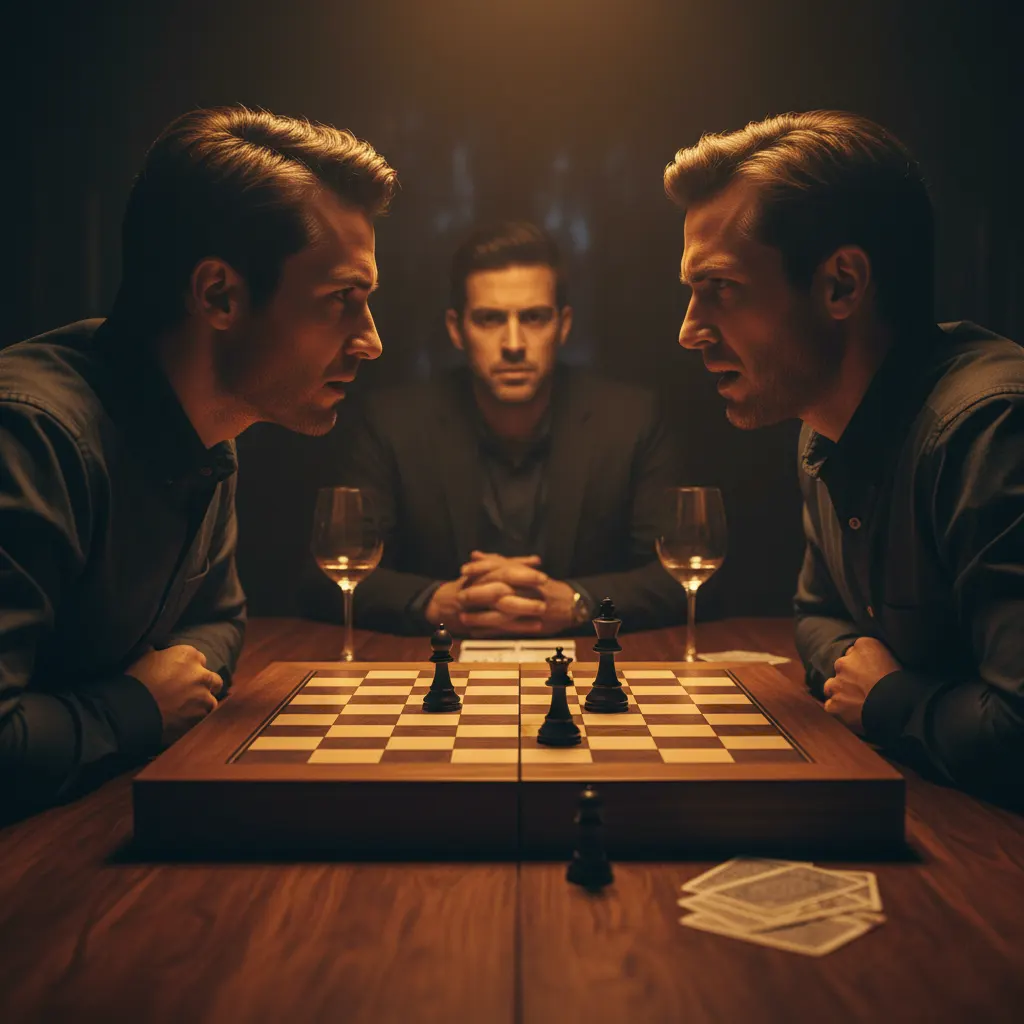
Deception as Strategy, Not Shock Value
Season 3 reframes deception as a long-term investment rather than a short-term twist. Successful players understand that survival depends less on lies and more on when to speak—and when to disappear.
According to The Guardian’s coverage of modern reality TV, shows like The Traitors signal a broader shift toward more intellectually demanding formats.
Contestants are no longer just competing for screen time; they’re competing to control the narrative inside the castle.
The Role of the Castle: Atmosphere as Gameplay
The iconic castle setting is more than visual flair—it actively shapes behavior. Dim lighting, echoing halls, and formal roundtables heighten paranoia and make every interaction feel consequential.
This atmospheric design has drawn comparisons to scripted psychological thrillers, a point highlighted in The Hollywood Reporter’s review of the series.
By turning the environment into a character itself, The Traitors blurs the line between reality competition and prestige television.
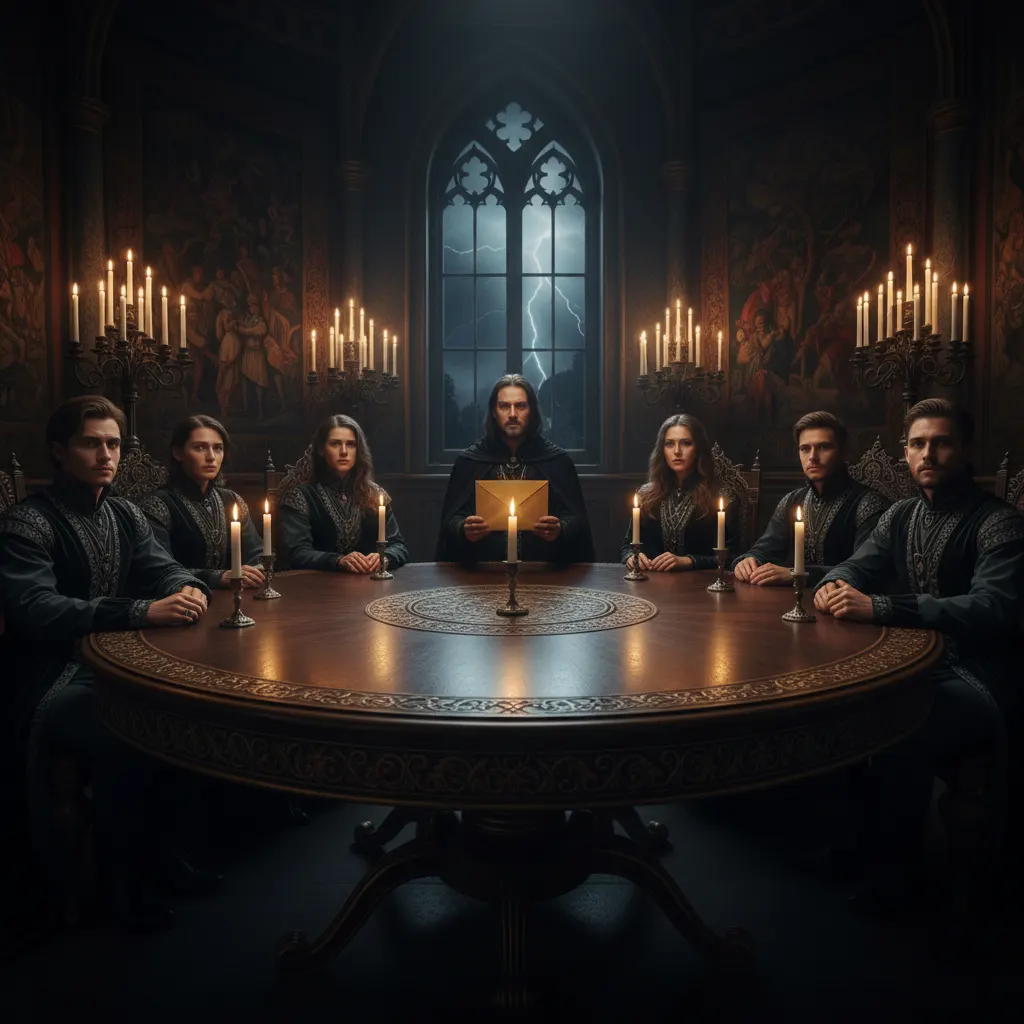
Why Audiences Can’t Look Away
The appeal of The Traitors Season 3 lies in its moral ambiguity. Viewers aren’t asked to root for heroes—they’re asked to question everyone.
- Is loyalty a weakness?
- Can honesty ever win?
- Does strategy justify betrayal?
As noted by Variety’s ongoing coverage of the franchise, this tension fuels intense online discourse, recap culture, and repeat viewing.
The Traitors and the Future of Reality TV
The Traitors Season 3 may mark a turning point for reality television—one where intelligence, emotional control, and psychological awareness matter more than chaos or controversy.
Streaming platforms are paying attention. The success of shows centered on social deduction suggests audiences are ready for more nuanced, strategy-driven formats that respect their intelligence.
If this trajectory continues, The Traitors won’t just be a hit—it will be a blueprint.
With its layered gameplay, haunting atmosphere, and morally complex strategies, The Traitors Season 3 stands as a masterclass in modern reality television.
It doesn’t just entertain—it challenges viewers to think, doubt, and question every motive. In a genre often dismissed as disposable, The Traitors proves that reality TV can be as gripping as scripted drama.
#TheTraitors #TheTraitorsSeason3 #RealityTV #RealityTVShows #TVCompetition #PsychologicalGame #StreamingTV #EntertainmentNews #digitalnewsforall