

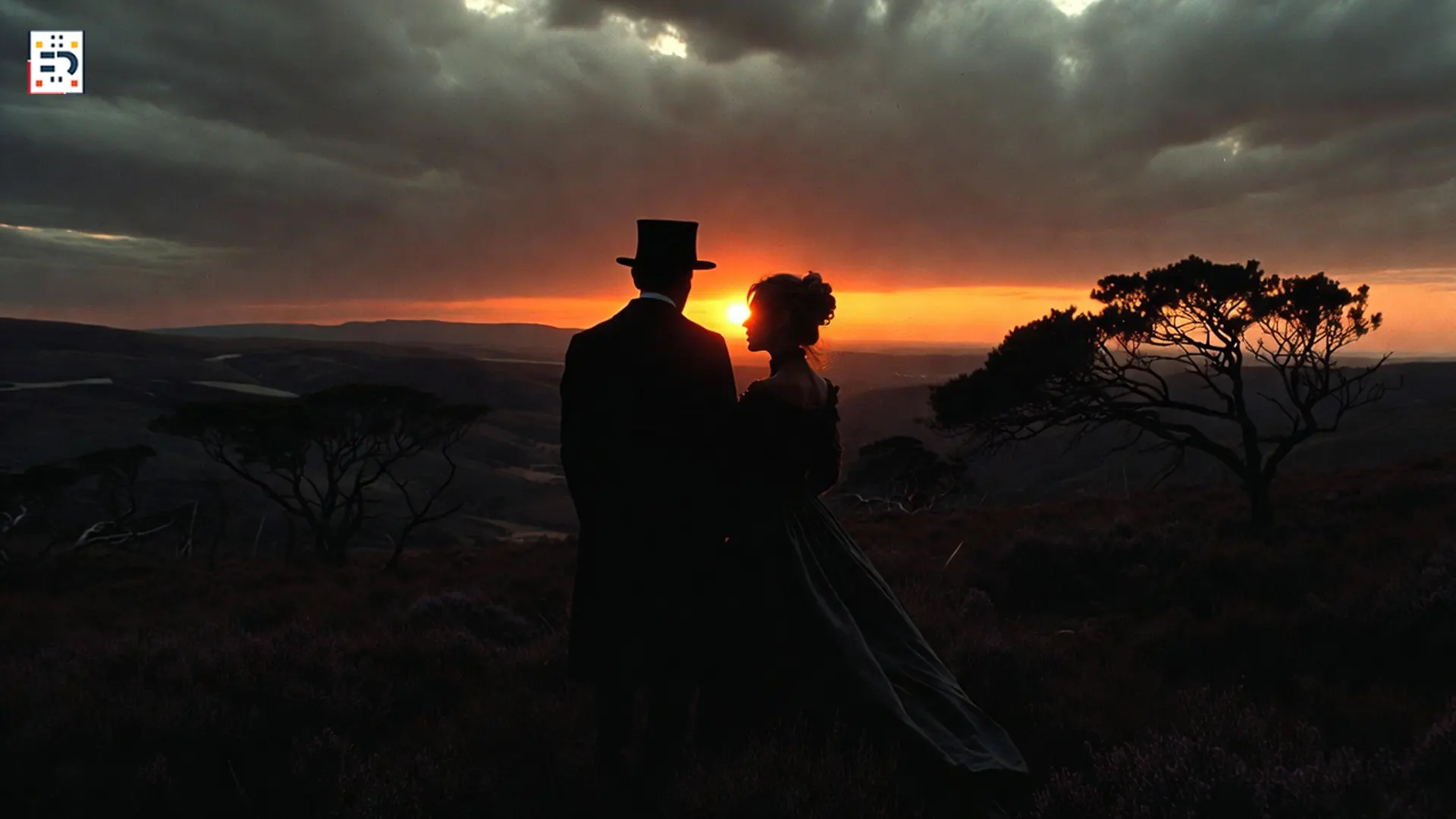
Emerald Fennell’s 2026 adaptation of Emily Brontë’s 1847 novel has drawn acclaim — and debate — for its bold reinterpretations.
While critics have praised the film as a modern gothic triumph, purists have noted significant structural and narrative departures from the original text. From omitted characters to a simplified ending and even the stylized “quotation mark” title choice, Fennell’s version reshapes the literary classic in deliberate ways.
Here are the five biggest changes.
1. The Omission of Key Framing Characters
One of the most striking changes is the reduced role — or outright omission — of the novel’s layered narrators, including Mr. Lockwood.
In Brontë’s original structure, Lockwood functions as an outsider whose perspective frames the story’s events. Many previous adaptations, discussed by outlets like BFI, retained this narrative device.
Fennell streamlines the story by removing much of the framing apparatus, plunging viewers directly into Heathcliff and Catherine’s volatile world.
Why it matters: The omission eliminates narrative distance, making the emotional chaos more immediate — but less filtered.
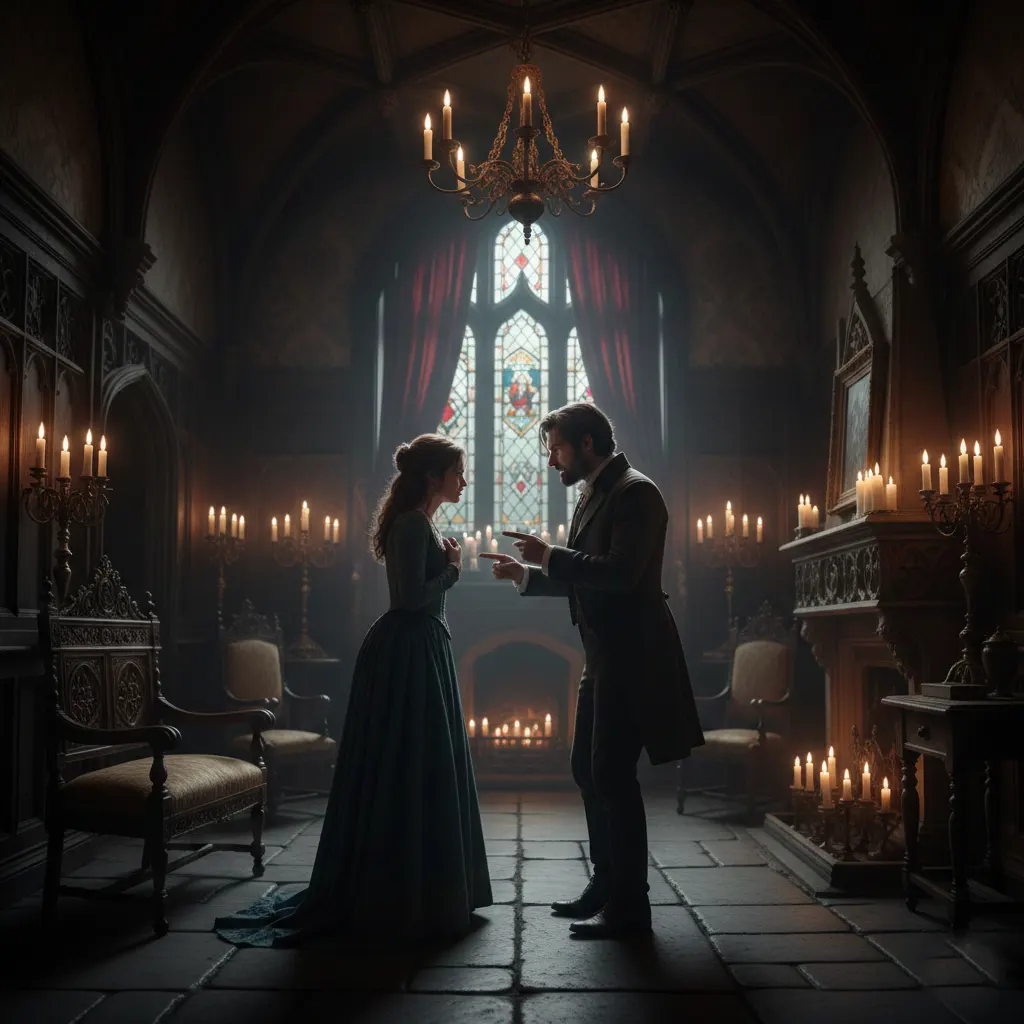
2. A Condensed Second Generation Arc
Brontë’s novel famously spans two generations, culminating in a form of emotional reconciliation between younger characters.
Fennell’s adaptation reportedly compresses or minimizes this second-generation storyline, focusing almost entirely on the destructive romance of Heathcliff and Catherine.
Film critics at IndieWire have noted that this shift intensifies the film’s thematic cohesion, even as it sacrifices narrative breadth.
Result: A tighter, more tragic arc — but one less concerned with redemption.
3. The Simplified Ending
In the novel, the ending suggests generational healing and the possibility of peace. Fennell, however, opts for a more ambiguous, visually poetic conclusion.
Rather than foregrounding resolution, the film leans into atmosphere — aided by Linus Sandgren’s 35mm cinematography.
According to reviews in The Guardian Film, the simplified ending reinforces the operatic tone Fennell favors over literary closure.
Impact: A haunting finish that prioritizes mood over moral balance.
4. Heightened Psychological Intensity
While Brontë’s novel is already emotionally extreme, Fennell amplifies its darker elements. Critics from Variety describe the chemistry between Heathcliff and Catherine as “scorching” and “dangerous.”
Scenes that were implied in the novel are rendered with raw immediacy. The emotional violence becomes central rather than contextual.
This aligns with Fennell’s previous thematic interests in obsession, power dynamics, and moral ambiguity.
5. The “Quotation Mark” Title Choice
Perhaps the most subtle but symbolically rich change is typographical. Promotional materials reportedly present the title with quotation marks — “Wuthering Heights”.
Some film scholars suggest this signals interpretive framing: Fennell is not claiming definitive ownership of Brontë’s text, but offering a version — a retelling conscious of its adaptation status.
As explored in adaptation theory discussions on platforms like RogerEbert.com, such choices can function as meta-commentary.
Translation: This isn’t just Wuthering Heights. It’s Fennell’s conversation with it.
Why These Changes Matter in 2026
Literary adaptations often balance reverence with reinvention. In an era where audiences crave both prestige and bold authorship, Fennell’s approach reflects modern cinematic priorities.
Rather than preserving every subplot, she curates the emotional core — obsession, class tension, doomed love — and amplifies it through performance and 35mm texture.
The result may divide purists, but it undeniably asserts a distinct artistic voice.
#EmeraldFennell #WutheringHeights #FilmAdaptation #EmilyBronte #GothicRomance #35mmFilm #Cinema2026