

 By Vinod Ram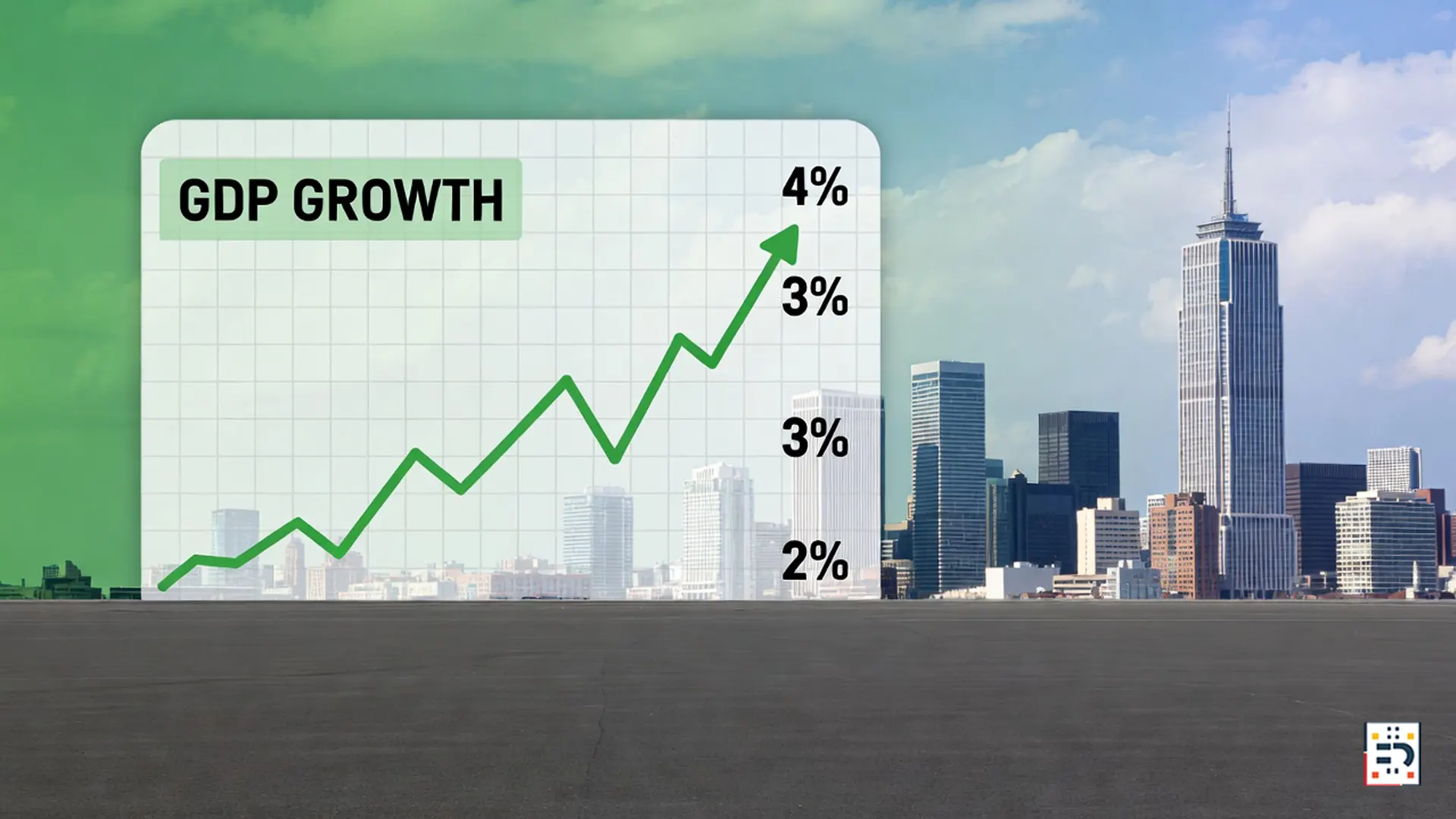
A headline number like 4.23% GDP growth sounds like good news — and on the surface, it is. Strong economic expansion signals rising productivity, job creation, and higher consumer spending. But beneath the optimism, economists are increasingly asking a harder question: is the so-called “run it hot” economy sustainable, or are we inflating the next major financial bubble?
This macro view focuses on the intersection of growth, inflation, and interest rates — and why your savings may be more exposed than you think.
What Does “Run It Hot” Really Mean?
The phrase “run it hot” refers to a policy approach that tolerates above-trend economic growth and temporarily higher inflation in order to maximize employment and output. This framework gained traction during post-pandemic recovery efforts and has been referenced in policy discussions linked to the Federal Reserve.
The idea is simple: allow the economy to grow aggressively, even if inflation rises, and address excesses later through tighter monetary policy.
GDP Growth vs. Inflation Reality
According to data from the U.S. Bureau of Economic Analysis, recent GDP growth has been driven by consumer spending, government investment, and resilient labor markets. However, inflation has proven far more stubborn than initially expected.
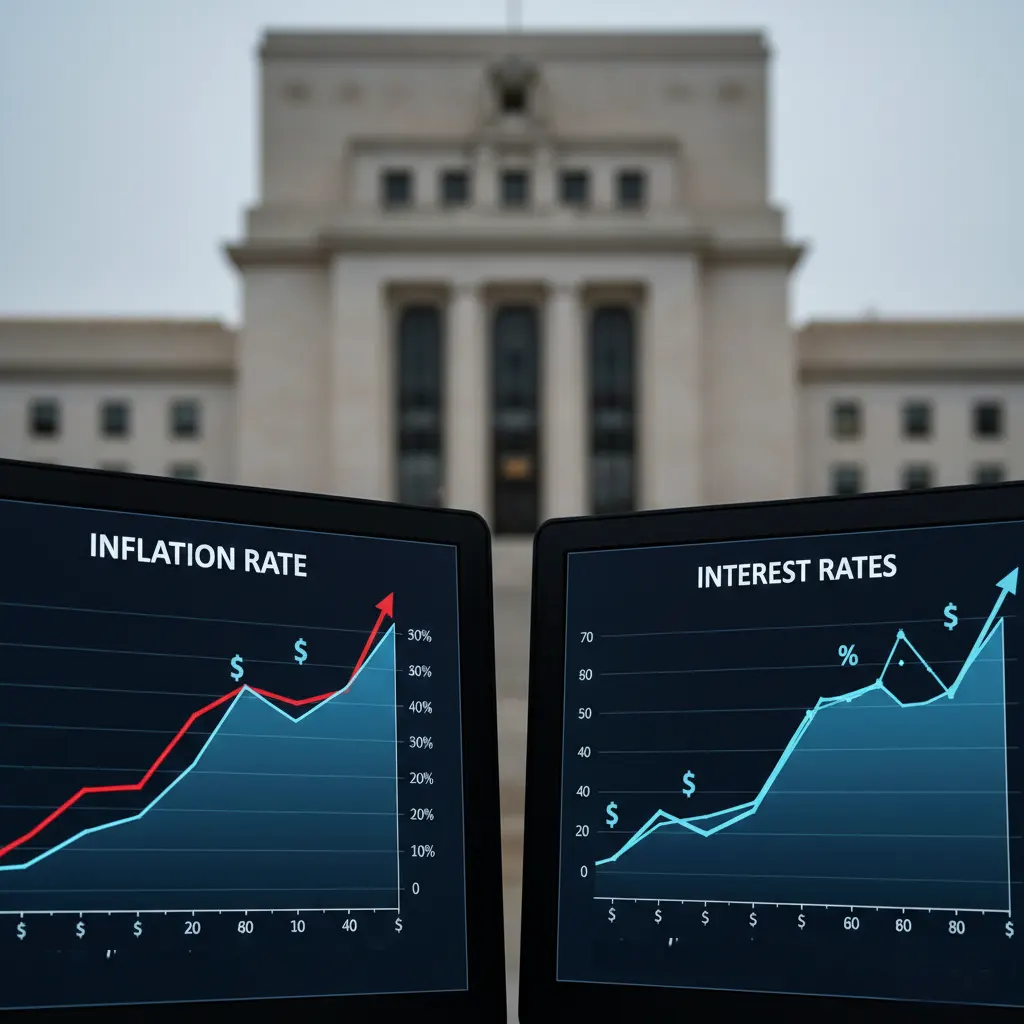
While official inflation measures from the Bureau of Labor Statistics show moderation from peak levels, prices for housing, food, insurance, and services remain elevated — directly eroding the real value of cash savings.
Interest Rates: The Double-Edged Sword
To contain inflation risks, the Federal Reserve has maintained higher interest rates for longer. While this benefits savers earning yield on cash and bonds, it also raises borrowing costs across the economy.
Higher rates increase pressure on:
- Mortgage affordability and housing demand
- Corporate debt refinancing
- Government interest expenses, including U.S. Treasury debt
Data from the U.S. Department of the Treasury shows interest payments on federal debt rising sharply — a dynamic that could limit future fiscal flexibility.
Are We Inflating Another Bubble?
One of the biggest fears tied to a “run it hot” strategy is asset overvaluation. Prolonged growth combined with easy financial conditions can inflate bubbles in equities, real estate, and speculative assets.
Institutions like the International Monetary Fund (IMF) have repeatedly warned that extended periods of high growth and tight labor markets can mask systemic risks — until conditions shift suddenly.
For households, this creates a paradox: asset values rise, but so does vulnerability if sentiment or policy reverses quickly.

What This Means for Your Savings
In a high-growth, high-inflation environment, traditional savings accounts often lose purchasing power. Even with higher nominal yields, real returns may remain negative after inflation.
This forces savers into difficult choices:
- Stay in cash and accept inflation erosion
- Move into risk assets with higher volatility
- Diversify across sectors that benefit from growth and pricing power
Understanding the macro backdrop is critical — because what protects wealth in a low-growth economy often fails in a “run it hot” one.
A 4.23% GDP growth rate reflects real economic momentum, but it also amplifies inflation risk, policy uncertainty, and the possibility of a sharp correction. The longer the economy runs hot, the higher the stakes become for savers and investors alike.
Now that you understand the risks, click here to see the 3 specific stocks that are actually thriving in this high-growth environment.
#RunItHotEconomy #GDPGrowth #InflationRisk #InterestRates #MacroEconomics #WealthProtection #InvestingStrategy