

 By Vinod Ram
As global trade tensions intensify in 2026, investors are facing a familiar but evolving challenge: how to protect wealth during prolonged economic uncertainty. With tariffs rising, supply chains fragmenting, and geopolitical risk back in focus, the concept of a resilient portfolio has moved from theory to necessity.
Rather than chasing short-term wins, resilient portfolios are designed to absorb shocks, adapt to policy shifts, and remain durable across multiple economic scenarios.
What Trade Wars Mean for Markets in 2026
The current wave of trade disputes is broader and more complex than previous cycles. Unlike isolated tariff battles, the 2026 trade wars involve overlapping pressures across energy, technology, manufacturing, and agriculture.
According to analysis from the International Monetary Fund, sustained trade fragmentation tends to increase market volatility while reducing long-term global growth.
For investors, this environment rewards preparation over prediction.
What Is a “Resilient Portfolio”?
A resilient investment portfolio is structured to withstand economic stress without relying on perfect market timing. It emphasizes balance, diversification, and exposure to assets that behave differently under pressure.
As outlined by BlackRock’s investment research, resilience focuses on managing downside risk while maintaining upside participation.
In trade-war conditions, resilience matters more than raw returns.

Key Principles for Building a Resilient Portfolio
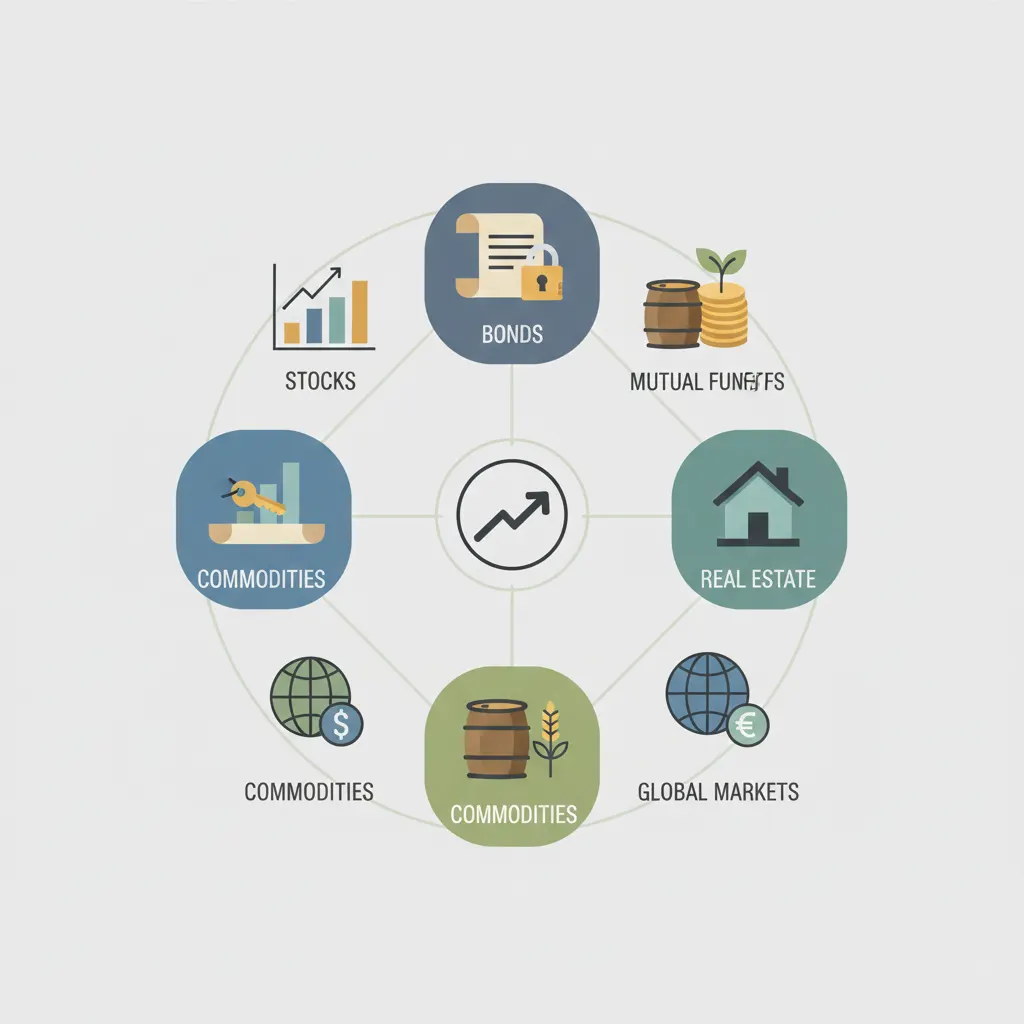
1. Diversify Beyond Traditional Equities
Stocks remain essential, but overconcentration—especially in trade-sensitive sectors—can amplify risk.
- Blend domestic and international equities
- Avoid heavy exposure to tariff-vulnerable industries
- Balance growth stocks with defensive sectors
Data from Morningstar market research shows diversified portfolios tend to recover faster after geopolitical shocks.
2. Reintroduce Bonds as Stabilizers
After years of skepticism, bonds are regaining relevance. In uncertain trade environments, high-quality fixed income can help dampen volatility.
The Federal Reserve’s policy guidance suggests that stabilizing interest rates improve the defensive role of bonds in diversified portfolios.
Short- and intermediate-duration bonds often provide flexibility without locking investors into long-term rate risk.
3. Add Real Assets as Inflation Hedges
Trade wars often increase inflationary pressure by raising input and consumer costs. Real assets can help offset this risk.
- Commodities tied to energy and infrastructure
- Real estate investment trusts (REITs)
- Infrastructure-focused funds
According to J.P. Morgan’s investment outlook, real assets tend to perform better during periods of supply-chain stress.
4. Maintain Geographic Balance
Trade conflicts rarely affect all regions equally. A resilient portfolio spreads exposure across economies with different trade dependencies.
Markets less reliant on global exports—or those benefiting from reshoring—may show greater stability. Research from the OECD highlights how regional diversification can reduce geopolitical concentration risk.
5. Keep Liquidity and Optionality
In volatile markets, liquidity becomes a strategic asset. Maintaining some cash or near-cash positions allows investors to respond rather than react.
Liquidity provides:
- Flexibility during market drawdowns
- Protection against forced selling
- Opportunities to rebalance at better valuations
Common Mistakes to Avoid During Trade Wars
Periods of geopolitical stress often trigger emotional decision-making.
- Overreacting to headlines
- Chasing short-term defensive trades
- Abandoning long-term strategy for tactical bets
As noted by Investopedia’s market education resources, discipline matters more than precision during uncertain cycles.
How Often Should You Rebalance in 2026?
Rebalancing is a core resilience tool. Rather than frequent trading, many advisors recommend periodic reviews aligned with major market or policy shifts.
According to Vanguard’s investor education, systematic rebalancing helps control risk without relying on forecasts.
What a Resilient Portfolio Won’t Do
It’s important to set realistic expectations.
- It won’t eliminate volatility
- It won’t outperform in every rally
- It won’t predict policy outcomes
What it will do is improve the odds of long-term stability when trade conflicts reshape markets.
The 2026 trade wars underscore a hard truth for investors: uncertainty is no longer episodic—it’s structural.
Building a resilient portfolio isn’t about guessing the next tariff or negotiation outcome. It’s about constructing a strategy that can endure disruption, adapt to change, and protect long-term financial goals.
In a world of economic friction, resilience may be the most valuable return of all.
#ResilientPortfolio #TradeWars #Investing2026 #MarketVolatility #FinanceNews #WealthStrategy #GlobalEconomy