

 By Vinod Ram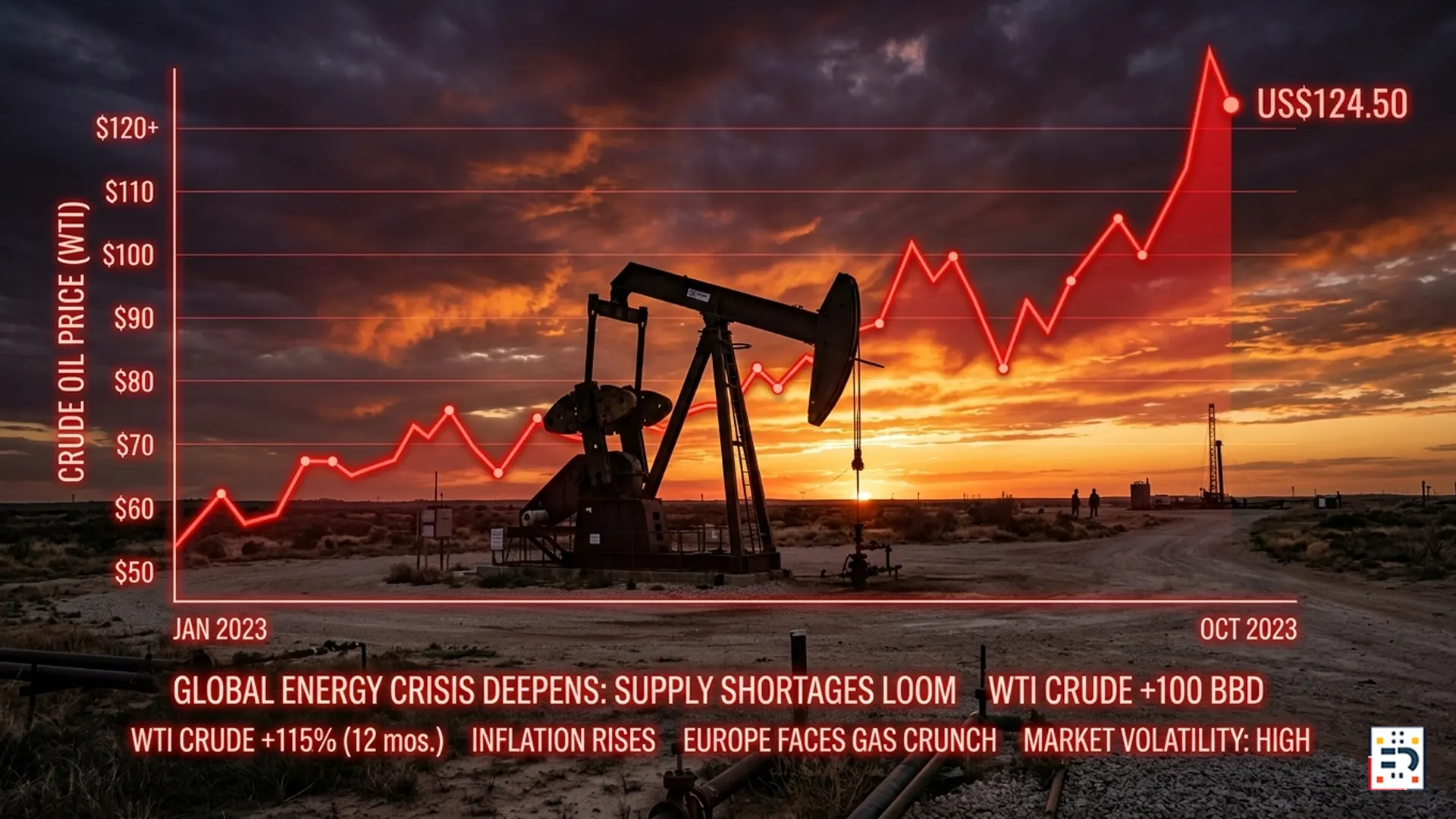
Oil prices are surging again as tensions escalate around the Strait of Hormuz, one of the most strategically important shipping lanes in the world. Nearly 20% of global oil flows through this narrow corridor, making it a pressure point for global markets.
With benchmark prices like Brent crude climbing sharply, consumers across the U.S., Europe, and Asia are bracing for impact. Here are five ways the crisis could hit your wallet in 2026.
1. Higher Gas Prices at the Pump
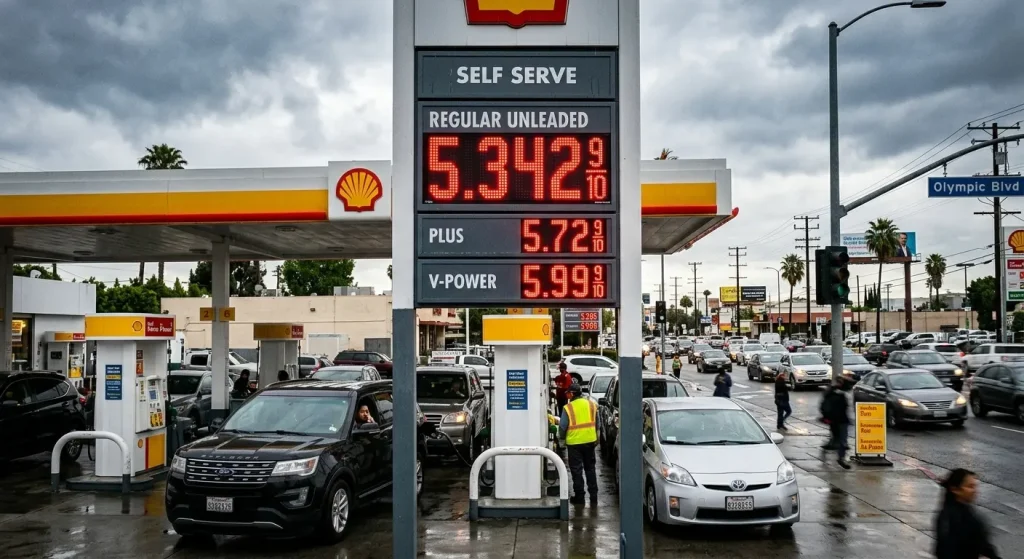
When oil prices surge, gasoline typically follows within days or weeks. Refineries face higher crude input costs, and those increases are passed to drivers.
According to energy monitoring data from the U.S. Energy Information Administration, retail gasoline prices closely track global crude benchmarks.
What this means: Even a $10 rise in crude can translate into noticeable increases per gallon.
2. More Expensive Flights
Airlines are highly sensitive to fuel costs. Jet fuel accounts for a major share of operating expenses, and carriers often respond by:
- Raising ticket prices
- Reducing route frequency
- Adding fuel surcharges
Major hubs from Dubai International Airport to European transit centers are already feeling pressure as rerouting adds flight time and fuel burn.
3. Rising Grocery Bills
Fuel powers farming equipment, food processing, and transportation. When oil prices surge, food costs tend to climb as well.
The Food and Agriculture Organization has repeatedly warned that energy shocks often amplify global food inflation.
Expect incremental price increases across packaged goods and fresh produce.
4. Higher Utility and Heating Bills
Oil isn’t just for transportation. In many regions, it directly or indirectly influences heating and electricity costs.
Energy supply disruptions can ripple into natural gas markets and broader utility pricing structures, particularly during high-demand seasons.

5. Stock Market Volatility & Retirement Accounts
Energy shocks can unsettle global markets. Investors often rotate capital into safe-haven assets like gold or U.S. Treasury bonds during geopolitical crises.
Volatility may impact:
- 401(k) portfolios
- Retirement funds
- Consumer confidence
The broader concern? A prolonged Strait of Hormuz crisis could re-ignite inflation pressures in 2026.
Why This Crisis Matters More Than Previous Spikes
Unlike temporary disruptions, tensions in the Gulf intersect with fragile supply chains and tight global inventories. Strategic reserves, such as the U.S. Strategic Petroleum Reserve, can cushion short-term shocks — but not indefinitely.
If shipping routes remain unstable, markets could price in a sustained risk premium.
Oil prices surging isn’t just a market headline — it’s a direct signal for consumers. From gas stations to grocery aisles, the Strait of Hormuz crisis has the potential to reach deep into household budgets.
Monitoring energy markets in the coming months may be just as important as watching your monthly expenses.
#OilPrices #StraitOfHormuz #EnergyCrisis #Inflation2026 #GasPrices