

 By Vinod Ram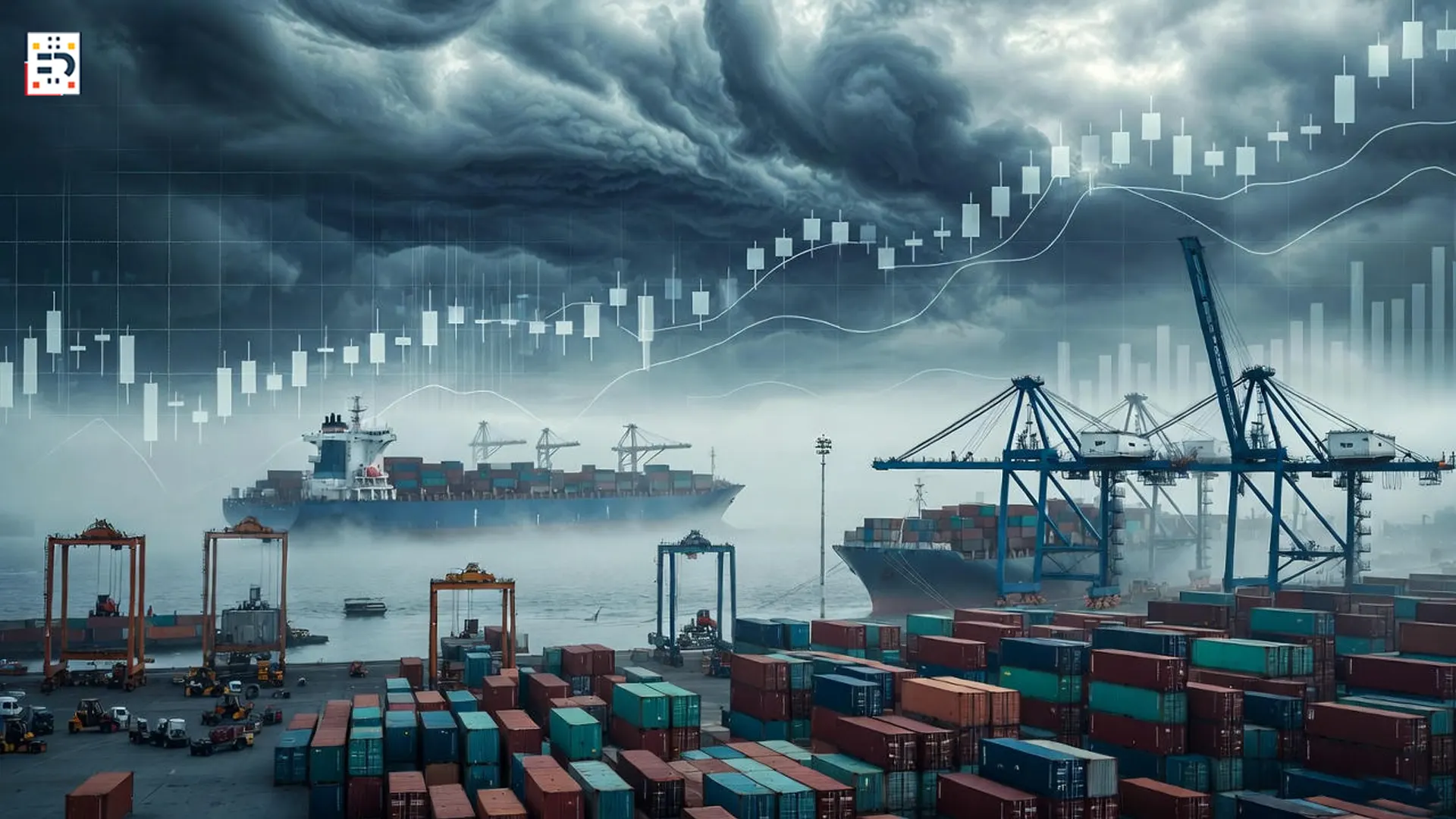
Few policy moments in 2025 reshaped the global economy as abruptly as the so-called “Liberation Day” tariffs. Announced with nationalist framing and sweeping scope, the tariffs sent shockwaves through financial markets, supply chains, and diplomatic relationships almost overnight.
What began as a political declaration quickly evolved into one of the most consequential economic events of the year — one whose effects are still unfolding across inflation, trade, and growth.
What Were the “Liberation Day” Tariffs?
The “Liberation Day” tariffs referred to a coordinated package of import duties imposed across multiple strategic sectors, including manufacturing, technology components, and consumer goods. While supporters framed the move as economic self-defense, critics warned of retaliation and long-term costs.
According to analysis from the Peterson Institute for International Economics, the scale and speed of the tariffs made them unusually disruptive compared with earlier trade actions.
Immediate Market Reaction
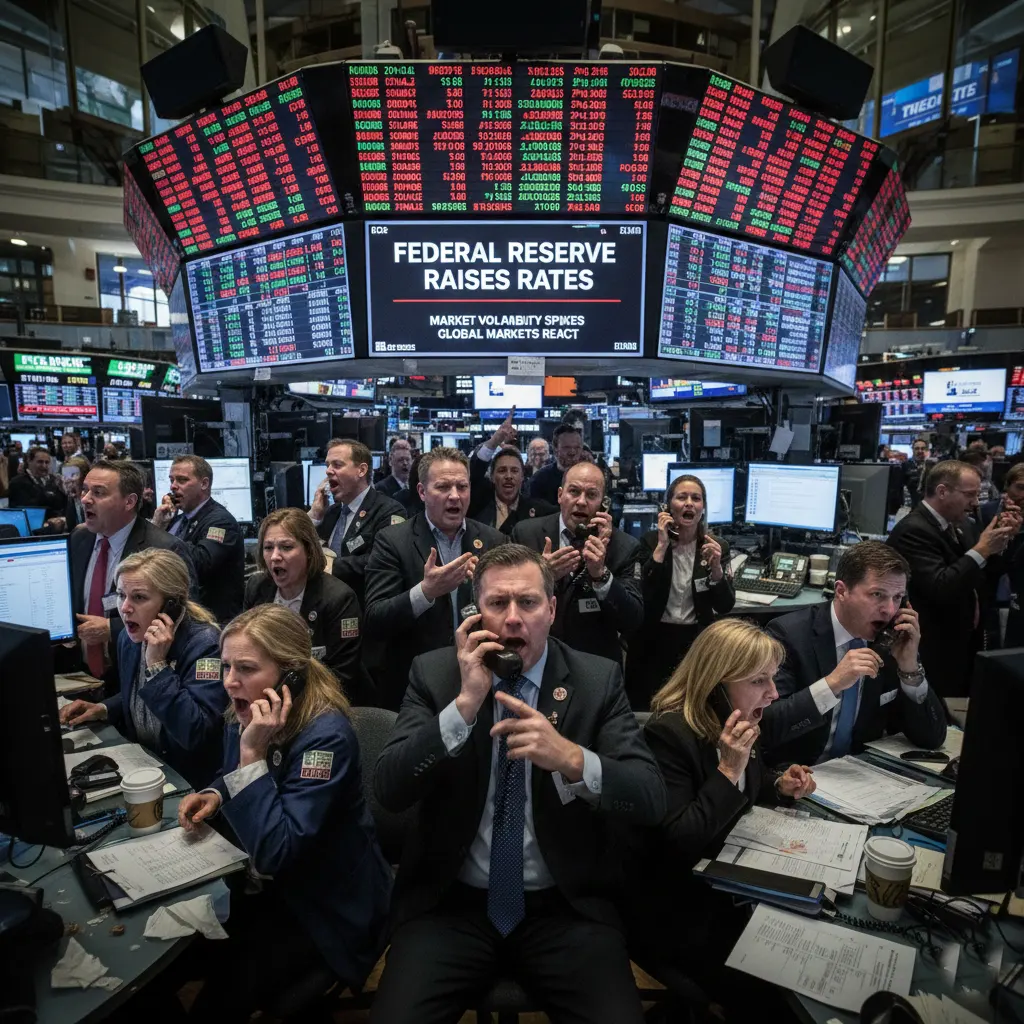
Financial markets reacted swiftly. Equity indexes experienced sharp volatility, while bond markets repriced expectations for growth and inflation. Safe-haven assets briefly surged as investors reassessed geopolitical and trade risks.
Data tracked by Reuters showed heightened currency fluctuations, particularly among export-dependent economies.
Impact on Inflation and Consumer Prices
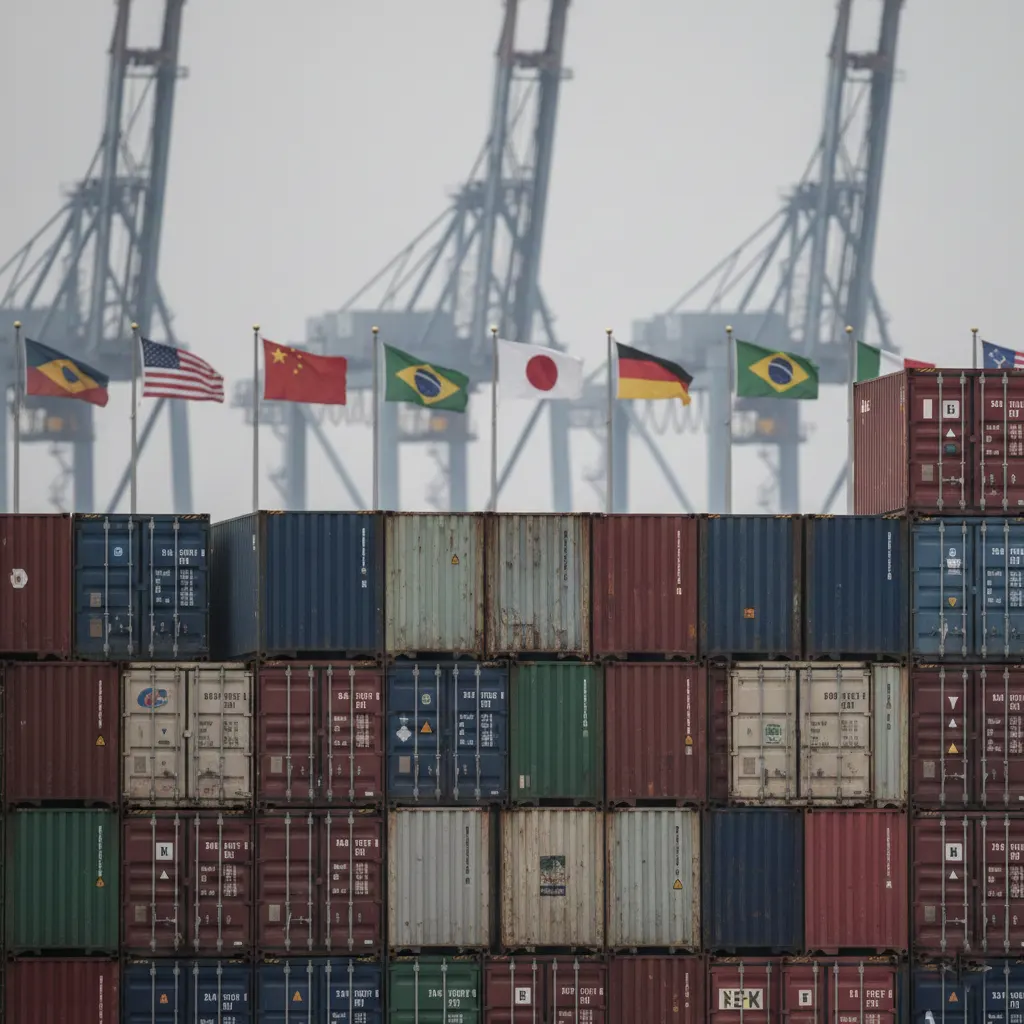
One of the most immediate effects of the tariffs was renewed inflation pressure. Higher import costs filtered through supply chains, raising prices for everything from electronics to household goods.
Economists cited by Bloomberg Economics estimated that tariff-driven price increases complicated central banks’ efforts to stabilize inflation during an already delicate phase of the economic cycle.
How Businesses and Supply Chains Responded
Companies were forced to react quickly. Some accelerated supply-chain diversification, while others passed costs directly to consumers. Manufacturers with thin margins faced particularly difficult choices.
- Shifting sourcing to alternative countries
- Renegotiating supplier contracts
- Absorbing costs to protect market share
- Reducing investment or hiring plans
Reports from the World Economic Forum highlighted how the tariffs reinforced the trend toward regionalized, rather than fully globalized, supply chains.
Global Trade and Diplomatic Fallout
International partners responded with a mix of formal disputes, targeted counter-measures, and strategic patience. Some countries pursued cases through the World Trade Organization, while others opted for bilateral negotiations.
The result was a cooling of trade relations and a measurable slowdown in cross-border investment flows during the second half of 2025.
Winners and Losers
As with most major policy shifts, the “Liberation Day” tariffs produced uneven outcomes.
- Potential Winners: Certain domestic producers shielded from foreign competition
- Clear Losers: Import-reliant industries and price-sensitive consumers
- Long-Term Uncertainty: Exporters facing retaliatory measures abroad
Analysts at Forbes noted that short-term gains for select sectors were often offset by broader economic inefficiencies.
What the Tariffs Meant for Economic Policy
The tariffs forced policymakers to reassess assumptions about globalization, resilience, and economic security. They also complicated monetary policy, as central banks had to separate tariff-driven inflation from demand-driven price growth.
Data from Federal Reserve Economic Data (FRED) showed increased uncertainty indicators in the months following the announcement.
Lessons From 2025’s Biggest Economic Shock
In retrospect, the “Liberation Day” tariffs underscored several key lessons:
- Trade policy can move markets faster than interest rates
- Supply-chain resilience comes with real costs
- Economic nationalism carries global consequences
Whether viewed as a necessary correction or a costly gamble, the tariffs reshaped the economic narrative of 2025.
The legacy of the “Liberation Day” tariffs will continue to influence trade negotiations, corporate strategy, and economic forecasting well beyond 2025.
As governments balance domestic priorities with global realities, the episode stands as a reminder that economic shocks rarely stay contained — and that policy decisions can ripple far wider than intended.
#LiberationDay #Tariffs #GlobalEconomy #TradePolicy #EconomicShock #Inflation #SupplyChains