

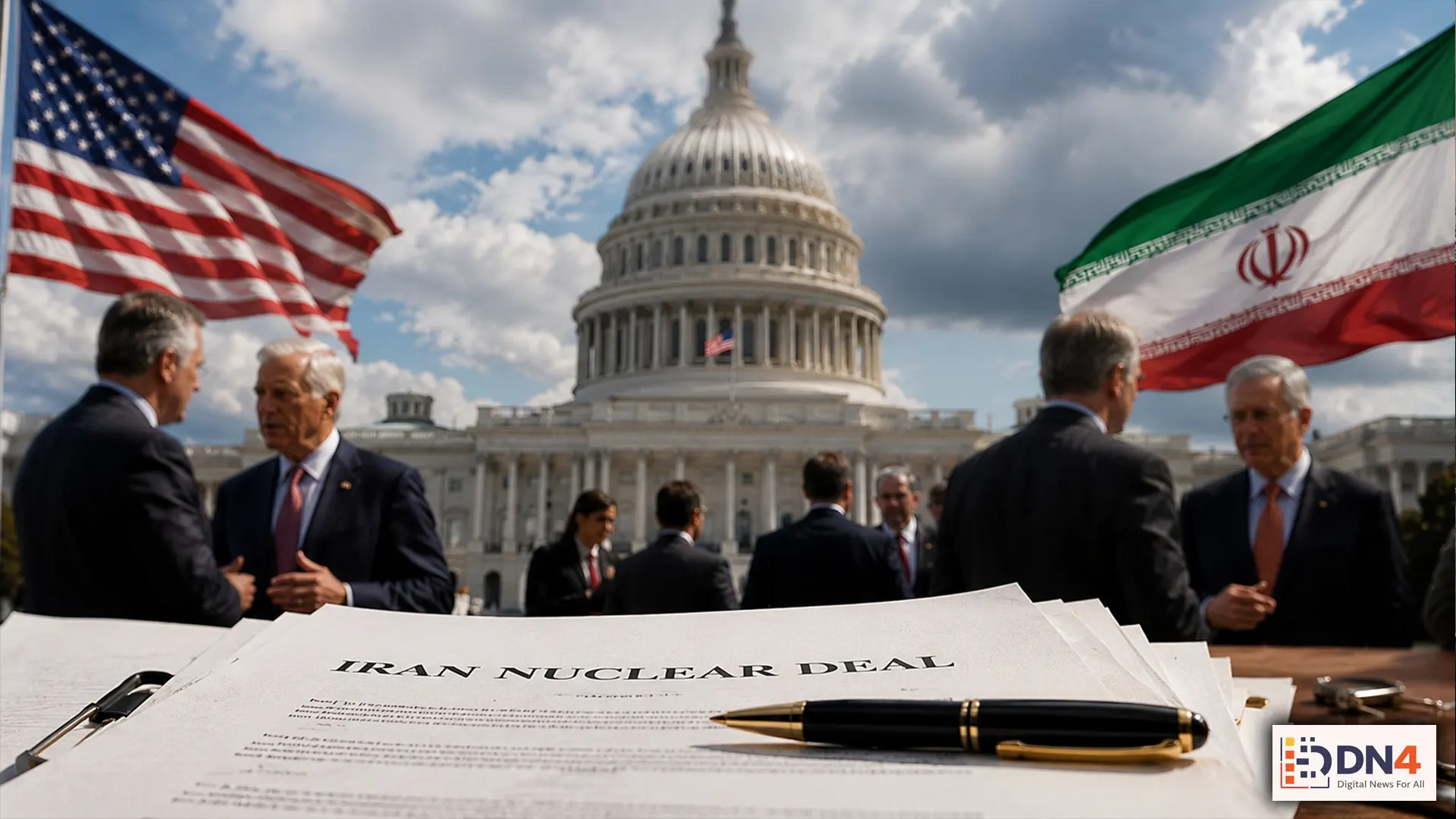
The debate surrounding a potential U.S.-Iran agreement has entered a critical political moment, with Sen. Lindsey Graham calling for greater congressional involvement before any final deal moves forward.
Graham’s position reflects a broader debate in Washington over executive authority, national security oversight, and the role Congress should play in major foreign policy decisions.
Recent discussions around an Iran agreement have generated questions among lawmakers about verification, enforcement, and long-term security implications. Graham has argued that Congress should examine the details directly before the United States commits to any significant arrangement.
Why Congressional Approval Is Becoming a Central Issue
The Constitution gives Congress an important role in foreign policy, including powers related to treaties, funding, and national security oversight. The question of how much involvement lawmakers should have in major international agreements has remained a recurring debate across administrations.
Graham has said that any agreement with Iran should meet U.S. security objectives and receive congressional review.
Concerns Over Transparency and Verification
One of the main arguments behind calls for congressional review is transparency. Lawmakers seeking a vote or formal review say they want access to the full details of any agreement, including verification measures and enforcement mechanisms.
- How compliance would be monitored
- What restrictions would apply to Iran’s nuclear program
- How violations would be addressed
- What role Congress would have in future decisions
The Broader U.S.-Iran Diplomatic Debate
Relations between Washington and Tehran have remained one of the most complex issues in international politics. Supporters of diplomacy argue that agreements can reduce tensions, while critics warn that weak enforcement could create additional risks.
The U.S. Congress has historically played a role in reviewing major foreign policy matters, especially those involving national security.
Why Graham’s Position Matters
As a senior Senate voice on foreign policy issues, Graham’s demand for congressional review adds pressure on negotiators to address concerns from lawmakers.
Reports from PBS NewsHour and other political outlets have highlighted the growing debate among lawmakers over how the agreement should move forward.
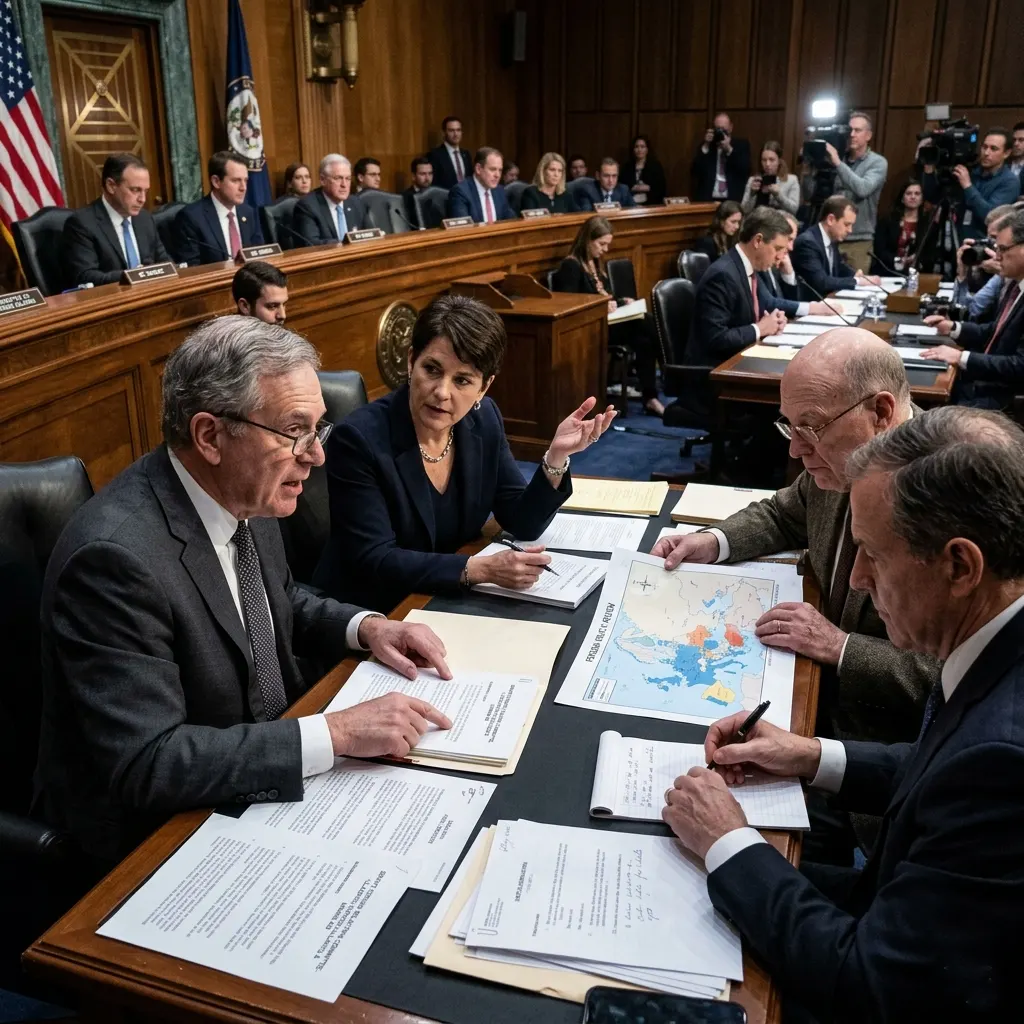
The Future of the Iran Agreement Debate
The next stage of negotiations will likely focus on whether U.S. officials can satisfy congressional concerns while maintaining diplomatic progress.
The discussion represents a familiar challenge in American foreign policy: balancing executive negotiations with democratic oversight.
The Iran deal debate has become a major test of diplomacy, congressional authority, and national security strategy. Sen. Lindsey Graham’s call for a congressional vote reflects a larger question facing Washington: how should major international agreements be reviewed before they become lasting commitments?
#IranDeal #LindseyGraham #USPolitics #Congress #ForeignPolicy #MiddleEast #Diplomacy #SenateNews #PoliticalNews