

 By Vinod Ram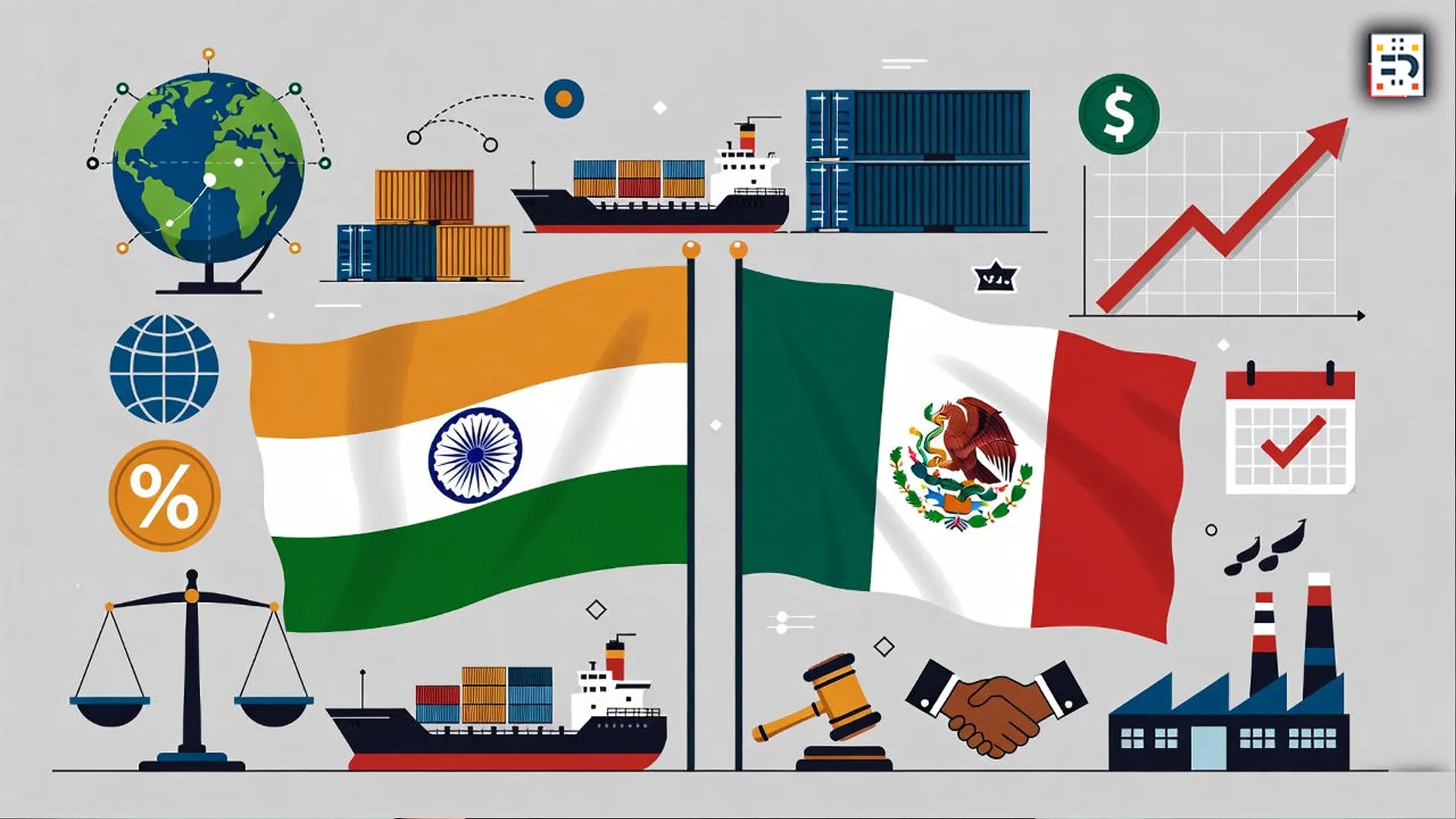
The latest tariff actions involving India and Mexico have created a new wave of uncertainty for global manufacturers, exporters, and consumers. As both countries reassess their trade strategies, businesses across the US, Europe, and Asia are watching closely to understand how supply chains, costs, and pricing may shift.
This article breaks down what the new tariffs mean, why they were introduced, and how companies can adapt their sourcing and pricing models in response.
Why India and Mexico Are Introducing New Tariffs
The tariff adjustments stem from a combination of domestic economic priorities, geopolitical positioning, and competitive industrial policies. India is reinforcing policies that support domestic manufacturing under its Make in India program, while Mexico is leveraging its strategic advantage under the USMCA trade agreement to attract manufacturing shifts from Asia.
Both governments have emphasized the need to protect certain industries while encouraging foreign investment — a balancing act that often results in new or adjusted tariffs.
How the Tariffs Affect Global Supply Chains
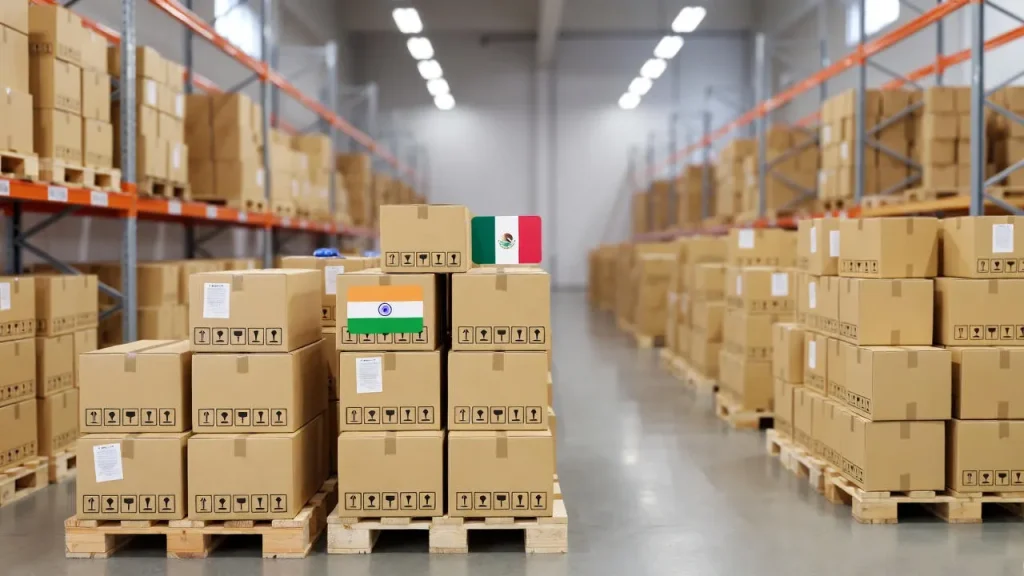
Tariff changes ripple through supply chains in several ways:
- Manufacturing costs increase for industries dependent on imported components.
- Logistics routes may shift as companies re-evaluate best-cost sourcing.
- Retail prices may rise for consumers in sectors like electronics, automotive parts, household goods, and textiles.
- Exporters may face higher compliance costs under new tariff categories and documentation rules.
Industry-Specific Impacts
According to India’s Ministry of Commerce and Mexico’s Secretariat of Economy, the sectors expected to see the most pressure include:
- Automotive & EV components
- Pharmaceutical ingredients & chemicals
- Consumer electronics
- Agricultural products
- Textiles & apparel
While both governments have not released sweeping financial penalties, certain categories now face incremental increases ranging between small single-digit percentages — primarily to protect domestic producers.
Impact on Consumers in the US, EU, and Asia
Because companies source heavily from India and Mexico, the pricing effects are global. Consumers may see:
- Gradual upward price adjustments on finished goods.
- Reduced diversity of imported products if suppliers shift markets.
- Slowdowns in delivery times due to new customs checks.
Retailers in high-demand markets — including the US, Canada, UK, Germany, and Japan — are already exploring supplier diversification strategies.
How Businesses Can Adapt to the New Tariff Landscape
1. Supplier Diversification
Companies are increasingly sourcing from Vietnam, Indonesia, and Eastern Europe as alternatives to mitigate tariff burdens.
2. Investing in Local Assembly
Both India and Mexico are incentivizing local assembly to reduce tariff exposure for finished goods.
3. Reevaluating Supply Chain Risk
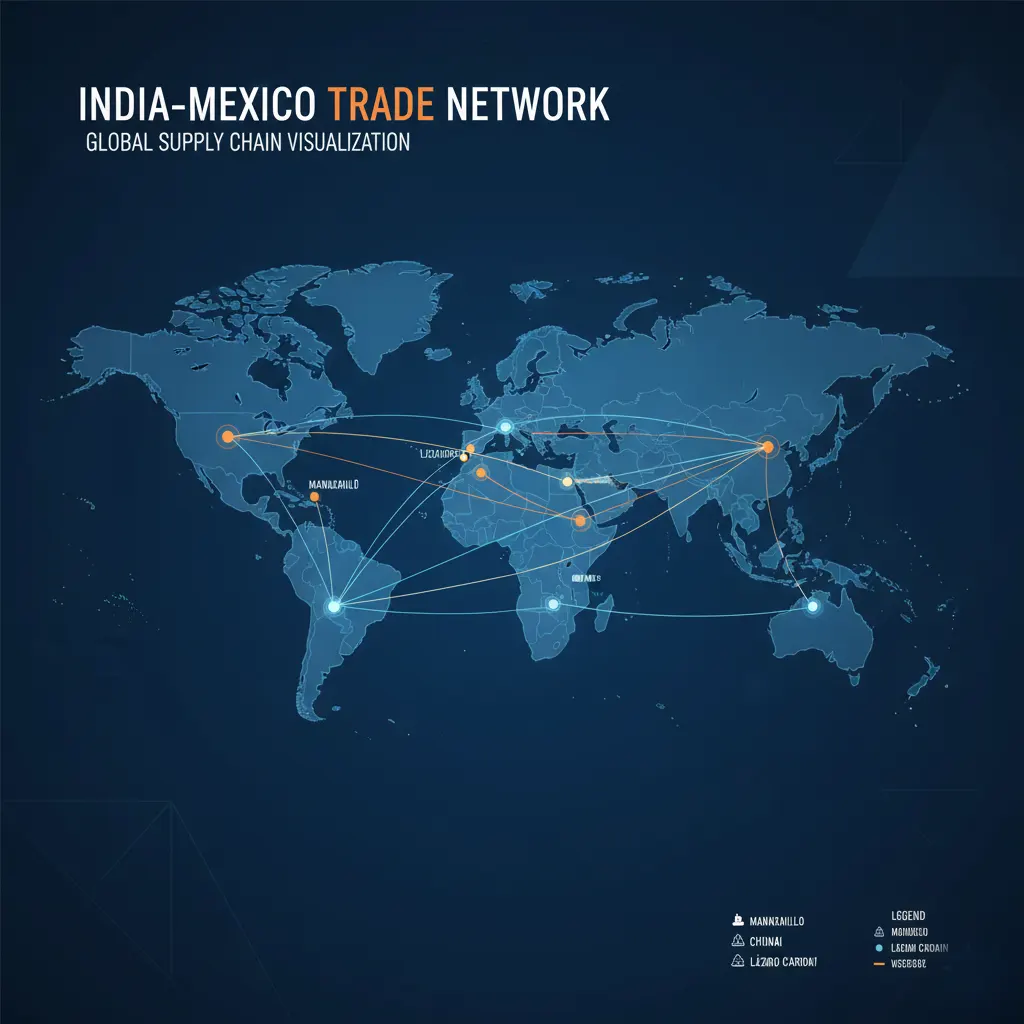
Businesses must factor political risk, tariff volatility, and logistics resilience into future planning.
4. Strengthening Trade Compliance
New regulatory documentation can add administrative costs; businesses should update digital trade-compliance systems to prevent delays.
Related Internal Resources
- Global Supply Chain Disruptions: Causes, Impact, and Solutions
- The New Front in the US–China Trade War: Why Rare Earth Minerals Matter More Than You Think
The tariff changes introduced by both India and Mexico signal a new era of assertive trade policy as countries compete for manufacturing dominance. While short-term disruptions are likely, the long-term effect may be a more resilient, multi-regional supply chain ecosystem.
#India #Mexico #Tariffs #GlobalTrade #SupplyChain #Economy #BusinessNews #Manufacturing #USMCA #TradePolicy