

 By Vinod Ram
On paper, the US economy looks strong. Gross Domestic Product (GDP) is growing at a healthy 4.3%, unemployment remains relatively low, and corporate earnings continue to beat expectations. Yet ask many Americans how they feel about their finances, and the answer is blunt: they still feel broke.
This growing disconnect between economic data and everyday experience has earned a new name — the “vibe-cession.” This article explores why strong GDP growth isn’t translating into financial comfort for millions of households.
What the GDP Numbers Say
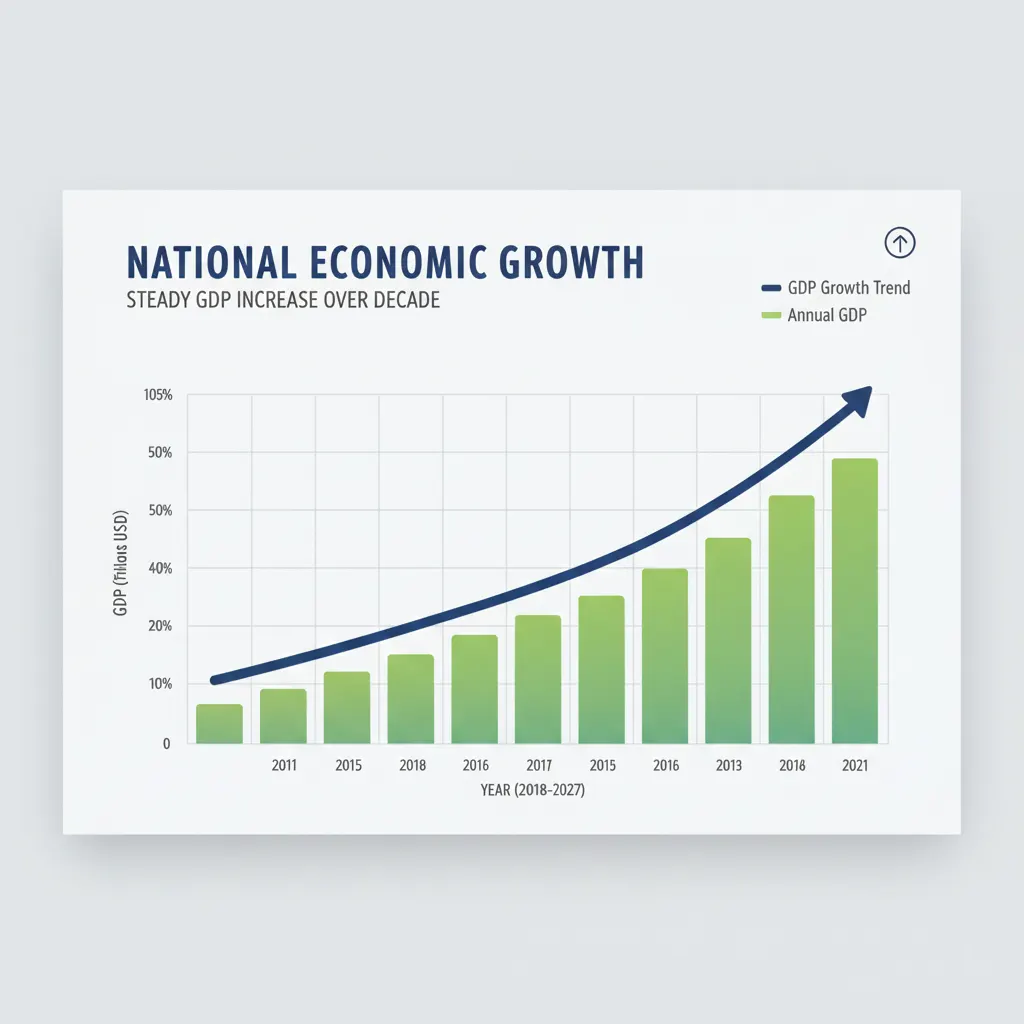
GDP growth is the most commonly cited measure of economic health. At 4.3%, US growth signals expanding production, rising business activity, and overall momentum.
According to data and analysis from the US Bureau of Economic Analysis (BEA), recent growth has been driven by:
- Consumer spending
- Business investment
- Government infrastructure outlays
- Resilient services-sector demand
From a macroeconomic perspective, these are signs of a healthy expansion — not a recession.
So What Is the “Vibe-cession”?
The term “vibe-cession” describes a situation where economic sentiment feels recessionary even when traditional indicators remain positive.
As explained in reporting by The New York Times Economy Section, consumer confidence often lags behind official data — especially when cost pressures remain visible in daily life.
In other words, the economy may be growing, but the vibes don’t match the numbers.
Why Americans Still Feel Broke
1. Cost of Living Has Reset Higher
Even as inflation has cooled, prices never returned to pre-pandemic levels.
According to data tracked by the US Bureau of Labor Statistics (CPI), households are still paying significantly more for:
- Groceries
- Rent and housing
- Insurance
- Utilities and transportation
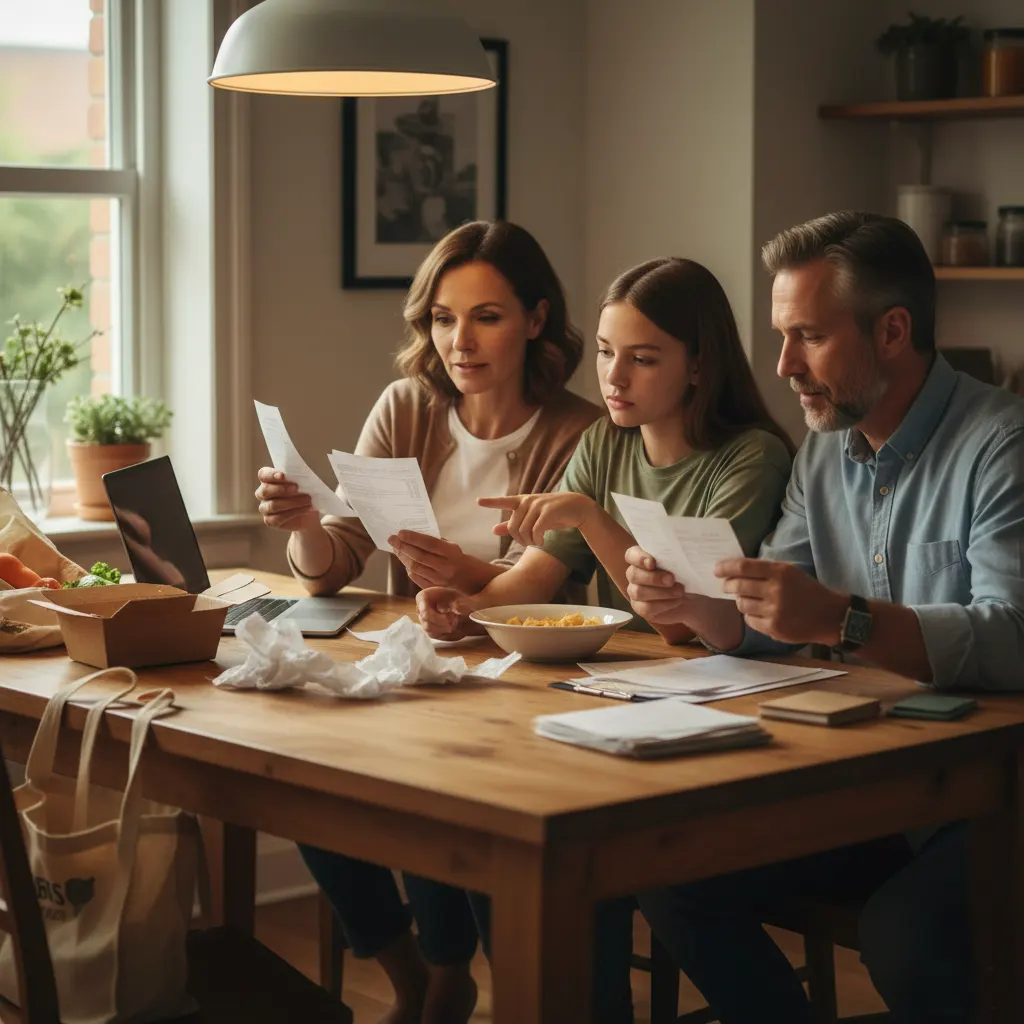
Wages may be rising, but many families feel like they’re running just to stay in place.
2. Housing Costs Are Crushing Budgets
Housing remains the single biggest source of financial stress.
As reported by CNBC Real Estate, high mortgage rates and limited housing supply have kept affordability near historic lows.
For renters, rising lease renewals continue to eat into disposable income — even in cities where price growth has slowed.
3. Debt Feels Heavier in a High-Rate World
Credit card balances, auto loans, and student debt have become more painful as interest rates rose.
Analysis from Reuters Markets shows that higher interest costs now consume a larger share of household budgets, reducing financial flexibility.
GDP growth doesn’t capture how expensive it feels to carry debt.
4. Economic Growth Isn’t Evenly Distributed
Not all growth benefits everyone equally.
Much of the recent expansion has flowed into:
- Higher-income households
- Asset owners
- Investors benefiting from rising markets
According to research summarized by The Brookings Institution, lower- and middle-income households often experience economic expansions more slowly — especially when essential costs rise faster than wages.
Why GDP Doesn’t Capture Everyday Reality
GDP measures output, not comfort.
It doesn’t account for:
- Housing affordability
- Debt stress
- Income inequality
- Psychological financial pressure
As economists frequently note, GDP can grow even while household sentiment deteriorates — a dynamic now visible across much of the US.
The Political and Social Impact of the Vibe-cession
Perception matters.
Consumer sentiment influences spending, voting behavior, and trust in institutions. Surveys tracked by Statista Consumer Confidence show that many Americans remain pessimistic — even as job numbers and GDP improve.
This gap between data and lived experience shapes everything from retail behavior to political debate.
What Would Actually Improve the “Vibes”?
Economists suggest that perception may improve only when:
- Housing costs stabilize or fall
- Real wages outpace essential expenses
- Interest rates ease meaningfully
- Households rebuild savings buffers
Until then, GDP growth alone is unlikely to convince Americans that the economy is working for them.
The “vibe-cession” isn’t imaginary — it’s experiential. While GDP growth tells a positive macro story, it fails to reflect the financial stress many households still feel.
Until everyday costs ease and financial breathing room returns, the economy may continue to grow — while Americans continue to feel broke.
#Economy #VibeCession #GDP #CostOfLiving #USMarkets #EconomicTrends