


The question of who will govern Gaza in the coming years has moved from speculation to active international debate. As diplomats, regional powers, and global institutions float post-conflict governance frameworks, one concept keeps resurfacing: the so-called “Board of Peace.”
But what does this idea actually mean, who would sit on such a body, and how realistic is the notion that Gaza could be governed by an international or hybrid authority by 2027?
What Is the “Board of Peace” Concept?
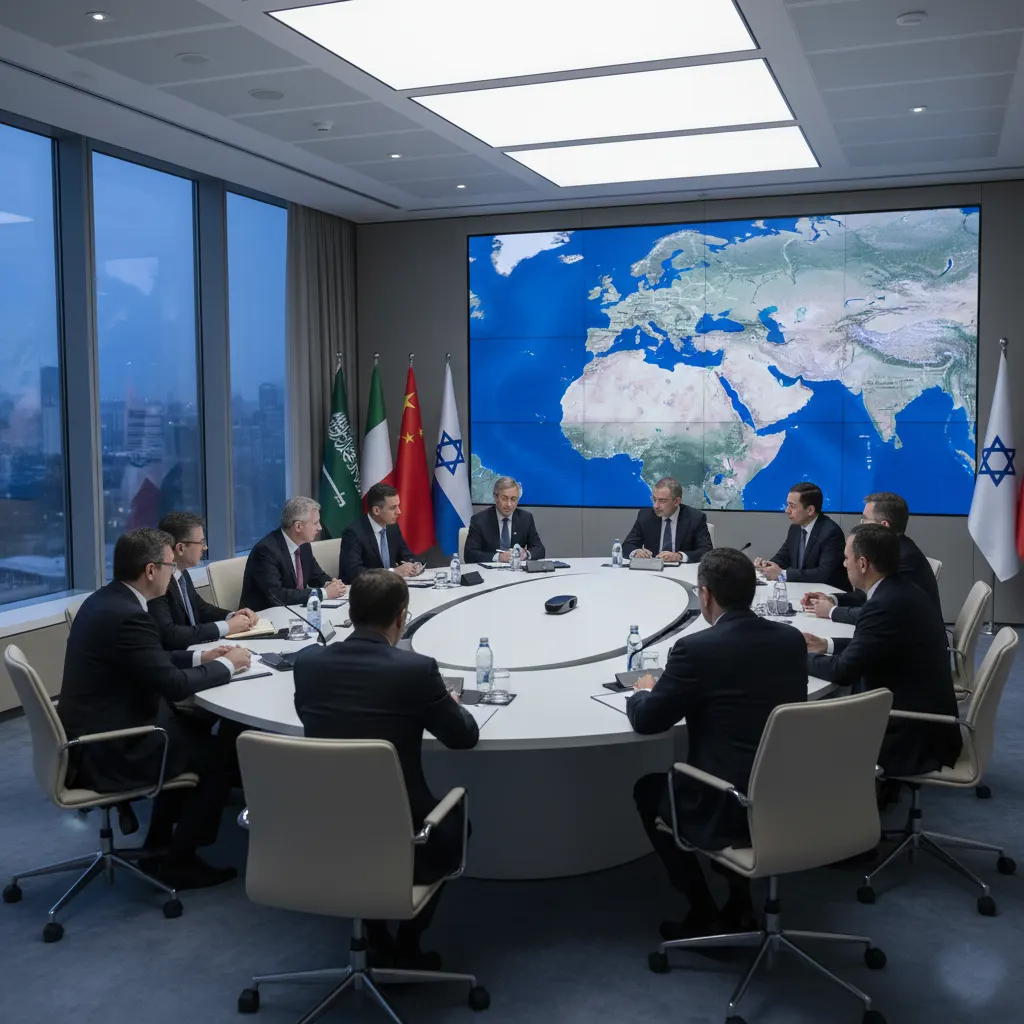
The term Board of Peace is not an official institution but a shorthand used by analysts and policymakers to describe a proposed temporary governance mechanism for Gaza once active hostilities subside.
According to policy discussions referenced by outlets such as Reuters’ Middle East coverage, the idea centers on replacing militant rule with a technocratic or international administration tasked with:
- Maintaining security and basic law enforcement
- Overseeing humanitarian aid and reconstruction
- Preparing Gaza for longer-term Palestinian governance
- Preventing the re-emergence of armed factions
In practice, this would resemble past international governance models rather than a sovereign government.
Why Gaza’s Governance Is So Complicated
Any discussion about Gaza’s future must contend with decades of political fragmentation, regional rivalries, and unresolved questions of sovereignty.
Key challenges include:
- The exclusion of Hamas from future power structures
- The weakened legitimacy of the Palestinian Authority (PA)
- Israel’s security demands along its borders
- Regional influence from Egypt, Jordan, and Gulf states
- International pressure for reconstruction and stability
This complexity is why policymakers are considering nontraditional governance arrangements.
Who Could Sit on the “Board of Peace”?
While no official roster exists, analysts at institutions such as Brookings Institution and Council on Foreign Relations have outlined likely stakeholders.
Potential participants include:
1. International Organizations
- United Nations administrators
- Humanitarian coordination bodies
- International development agencies
2. Regional Arab States
- Egypt, given its border and security role
- Jordan, with experience in Palestinian administration
- Gulf states providing funding and reconstruction oversight
3. Palestinian Technocrats
Non-partisan Palestinian administrators unaffiliated with militant groups could handle civil services, education, and healthcare.
Notably absent from most proposals is any direct role for armed factions.
How This Compares to Past International Administrations
The proposed governance model for Gaza is often compared to previous international administrations:
- Kosovo under UN administration
- East Timor during its transition to independence
- Bosnia and Herzegovina under international oversight
According to UN peacekeeping frameworks, such arrangements are typically temporary and designed to stabilize regions before handing control back to local authorities.
Will the Palestinian Authority Return to Gaza?
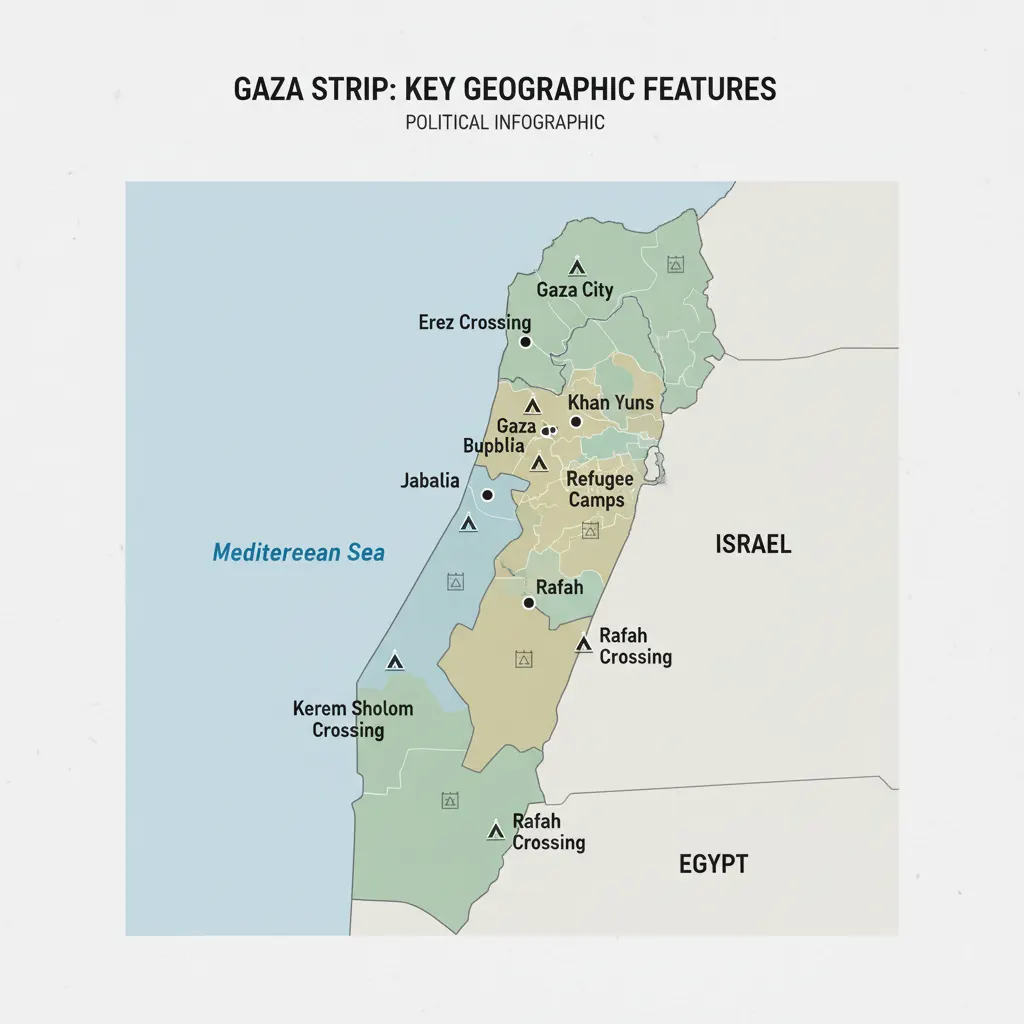
One of the most contested questions is whether the Palestinian Authority could realistically govern Gaza again.
While the PA is internationally recognized, critics argue it lacks:
- Popular legitimacy in Gaza
- Independent security capacity
- Freedom of movement and authority
As a result, many proposals envision a phased return of Palestinian governance, with a transitional body acting as a bridge rather than a permanent solution.
What Gaza Governance Might Look Like in 2027
If current diplomatic thinking holds, governance in Gaza by 2027 could involve:
- A reduced international administrative presence
- Rebuilt civil institutions
- Partial or full Palestinian civil governance
- Security arrangements backed by regional guarantees
However, experts caution that timelines remain highly speculative and dependent on political agreements that have yet to materialize.
The “Board of Peace” is less a governing body and more a transitional concept — one born out of necessity rather than idealism. It reflects the international community’s attempt to balance security, humanitarian needs, and long-term political aspirations in one of the world’s most complex regions.
Whether Gaza is governed by an international board, a reformed Palestinian authority, or a hybrid model by 2027 will depend on decisions still being negotiated today. What is clear is that Gaza’s future governance will shape regional stability for years to come.
#Gaza #BoardOfPeace #MiddleEast #WorldPolitics #Geopolitics #InternationalRelations #GlobalAffairs