


The 2026 tariff guide is becoming essential reading for consumers. As new trade measures roll out and geopolitical tensions reshape supply chains, everyday household goods could soon carry higher price tags.
According to recent updates from the Office of the United States Trade Representative, expanded tariff frameworks are targeting key import categories — many of which directly affect consumer products.
So what’s about to cost more? Here’s a breakdown.
1. Electronics & Small Appliances
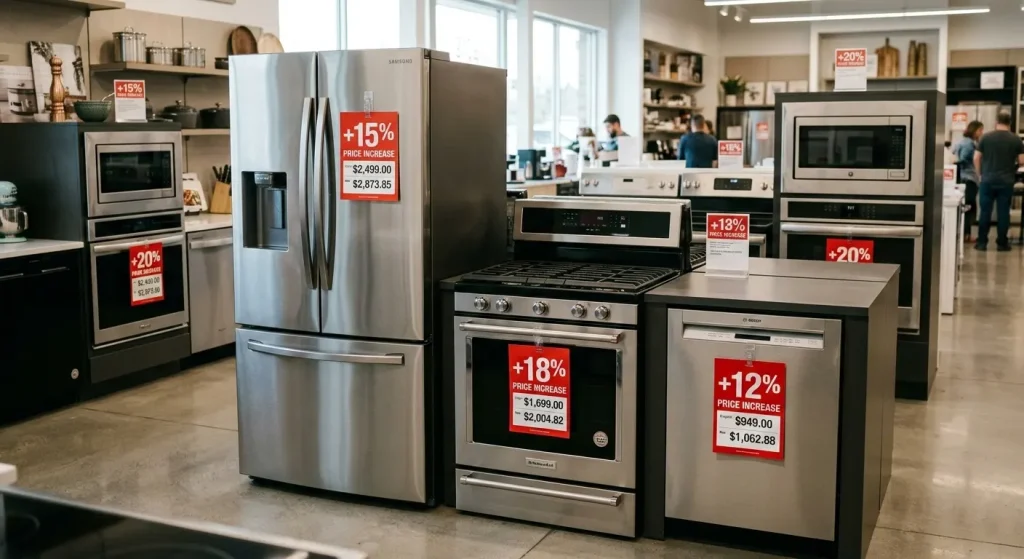
Many small appliances — microwaves, coffee makers, air fryers — rely heavily on imported components. New tariffs affecting goods from major manufacturing hubs could push retail prices higher.
Trade data from the U.S. Census Bureau Foreign Trade Division shows electronics remain one of the most import-dependent sectors.
What to expect:
- 5–12% price increases on select appliances
- Longer shipping times due to customs checks
- Higher replacement part costs
2. Furniture & Home Goods
Furniture imports — particularly wood and metal products — are highly sensitive to tariff adjustments. Retailers sourcing from Asia and parts of Europe may pass added costs directly to consumers.
The U.S. International Trade Administration has noted increased duties on select home furnishing categories.
Items potentially affected:
- Bedroom sets
- Dining tables
- Office chairs
- Outdoor patio furniture
3. Clothing & Footwear
Apparel is one of the most globally sourced industries. Changes in tariff rates on textiles and finished garments could result in noticeable price bumps, especially for mid-range brands.
Global trade analysis from the World Trade Organization highlights apparel as a high-impact category during tariff disputes.
4. Automobiles & Auto Parts
While cars themselves often grab headlines, it’s the parts market that could quietly impact households.
The U.S. Department of Commerce has flagged auto components as vulnerable under revised import policies.
Potential impacts include:
- Higher repair bills
- Increased insurance premiums
- Longer wait times for parts
5. Groceries & Packaged Foods
Many packaged foods depend on imported ingredients — from coffee beans to cooking oils. Even small tariff adjustments can ripple through supply chains.
The Food and Agriculture Organization (FAO) warns that trade barriers often amplify food inflation during global supply disruptions.
6. Building Materials & Home Renovation Supplies
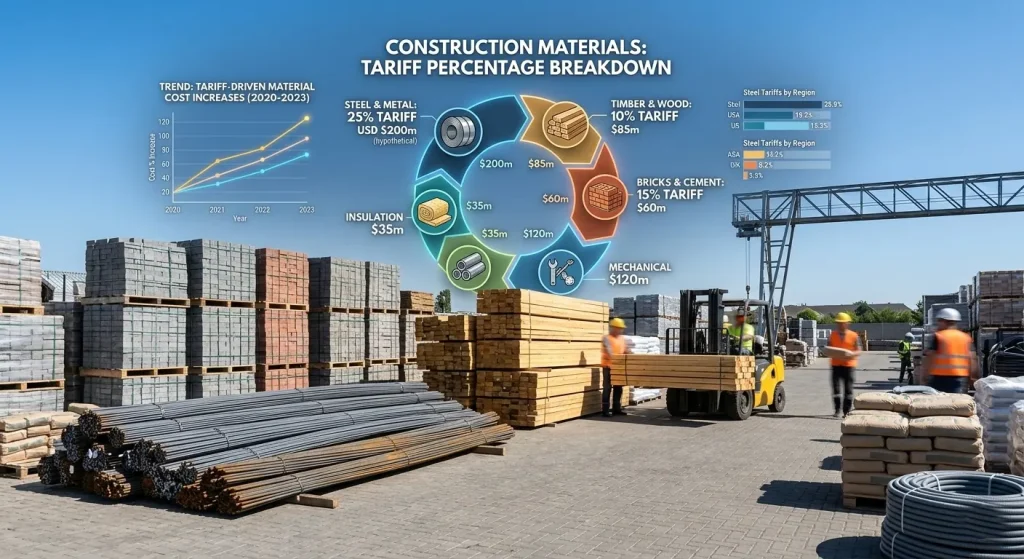
Homeowners planning renovations in 2026 may feel the pinch.
- Imported lumber and steel products
- Tile and flooring materials
- Plumbing fixtures
Tariffs on construction inputs can significantly impact remodeling budgets.
Why 2026 Could Be a Turning Point
Unlike short-term trade disputes, the 2026 framework reflects broader geopolitical realignments and supply chain diversification efforts.
Economists suggest that persistent tariffs can:
- Embed higher baseline inflation
- Shift manufacturing locations permanently
- Increase domestic production costs
While some domestic industries may benefit, consumers are likely to see gradual but widespread price adjustments.
How to Protect Your Household Budget
- Consider buying high-cost durable goods sooner rather than later.
- Compare brands with diversified supply chains.
- Monitor retailer promotions before peak buying seasons.
- Explore domestic alternatives where feasible.
Staying informed is your best defense in a shifting trade environment.
#Tariffs2026 #InflationWatch #ConsumerCosts #TradePolicy #HouseholdBudget