

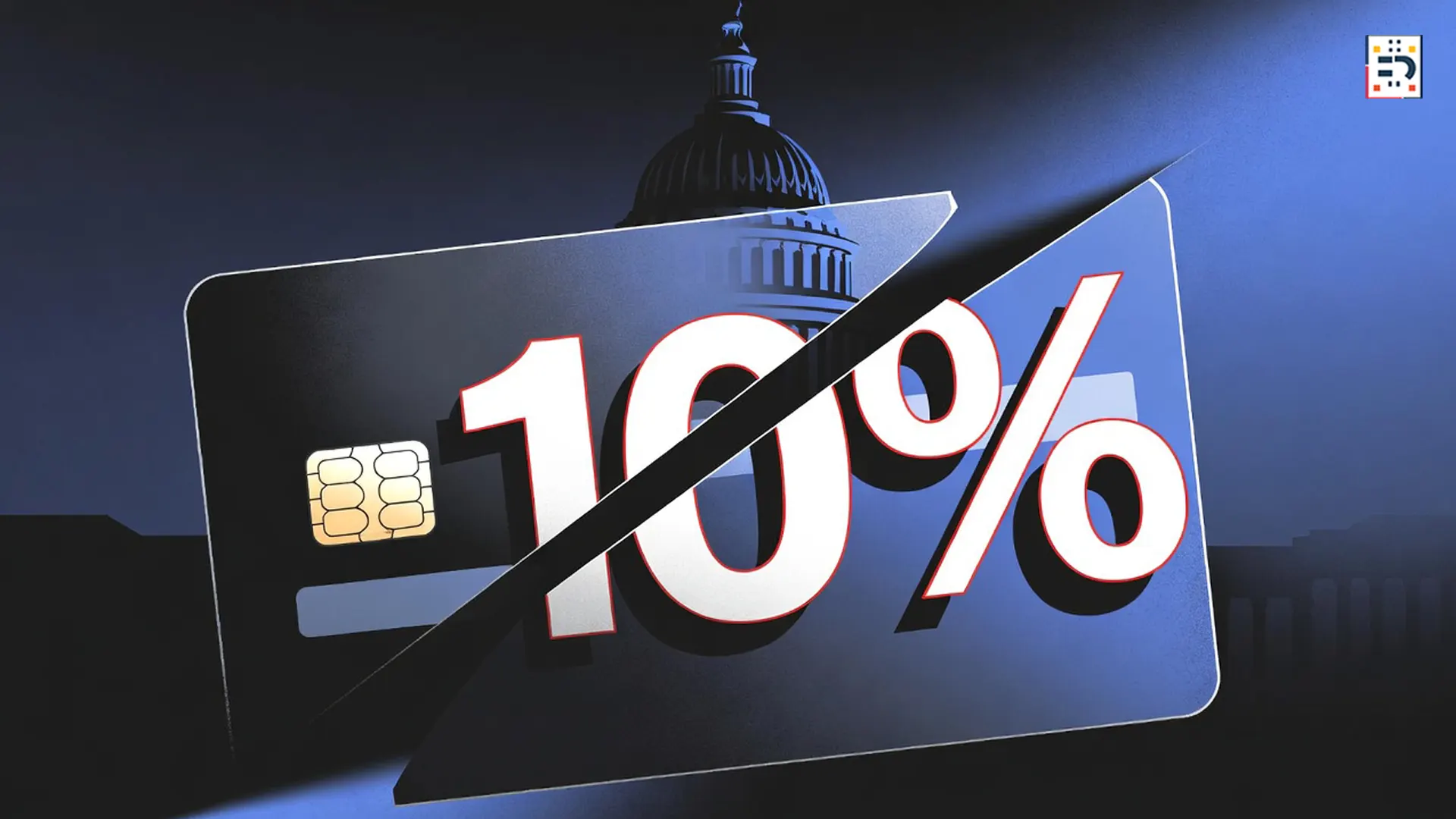
A recent post by former President Donald Trump on Truth Social has sent shockwaves through Washington and Wall Street alike. Trump claimed he would support—or push for—a 10% cap on credit card interest rates, framing it as relief for working Americans crushed by debt.
The announcement sparked an unusual moment of bipartisan alignment, with figures as ideologically distant as Bernie Sanders and Josh Hawley previously backing similar ideas—while the banking industry reacted with near-immediate alarm.
What Did Trump Actually Propose?
In his post, Trump argued that credit card interest rates—often exceeding 20%—are “out of control” and harmful to middle- and lower-income Americans. His suggested solution: a federal cap at 10%.
While light on legal detail, the message was heavy on populist appeal, tapping into widespread frustration over credit card interest rates at a time when household debt is near record highs.
Is There Bipartisan Support?
Surprisingly, yes—at least in principle. Senator Bernie Sanders has long argued that double-digit interest rates amount to legalized usury. Meanwhile, conservative Senator Josh Hawley has framed caps as a way to protect families from predatory lending.

That rare overlap suggests the issue resonates beyond party lines, especially among voters feeling squeezed by inflation and stagnant wages.
Why Banks Are Panicking
The financial industry sees a 10% cap as existential. Credit cards are unsecured loans, meaning lenders rely on higher interest rates to offset default risk.
Industry groups warn that a strict cap could:
- Reduce access to credit for higher-risk borrowers
- Increase fees to compensate for lost interest revenue
- Push consumers toward less regulated lending options
In short, banks argue the policy could backfire—hurting the very people it aims to help.
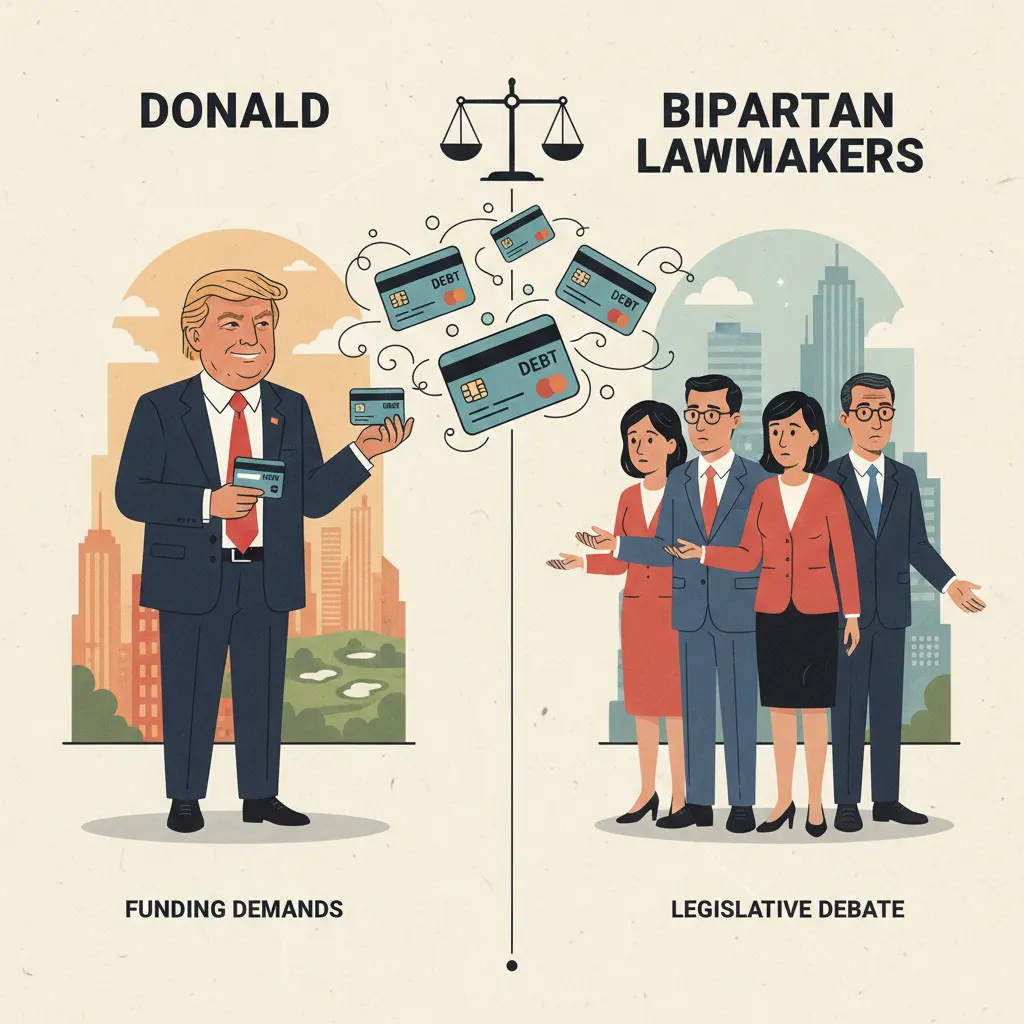
Can a President Actually Do This?
The short answer: not alone.
Interest rate caps would almost certainly require congressional action. While the federal government has some authority through banking regulators, a nationwide hard cap would face legal, political, and constitutional challenges.
Historically, most usury laws have been set at the state level, and federal preemption has allowed national banks to bypass stricter state caps.
Why This Message Still Matters
Even if a 10% cap never becomes law, Trump’s statement shifts the political conversation. It reframes consumer debt as a populist issue—pitting borrowers against financial institutions.
For voters drowning in high-interest balances, the idea alone is powerful. For policymakers, it signals that credit card reform may become a central economic issue in the next election cycle.
Can Trump actually impose a 10% credit card interest cap? Not by decree. But by putting the idea into the political bloodstream—and finding unexpected allies—he’s ignited a debate the banking industry hoped to avoid.
Whether it becomes policy or remains campaign rhetoric, one thing is clear: America’s credit card system is officially under the spotlight.
#CreditCardDebt #InterestRateCap #TrumpEconomy #ConsumerFinance #BankingIndustry #EconomicPolicy #PoliticsAndMoney