

 By Vinod Ram
Summer 2026 is expected to be one of the busiest travel seasons in recent years. With international tourism continuing to rebound and passenger numbers rising worldwide, travelers face increased risks of airport congestion, airline disruptions, and transportation strikes.
Whether you’re planning a family vacation, business trip, or international getaway, preparation can make the difference between a smooth journey and hours of unexpected delays.
Travel organizations such as the International Air Transport Association (IATA), EUROCONTROL, and International Civil Aviation Organization (ICAO) continue to monitor growing travel demand and operational challenges across global airports.
1. Book Early Morning Flights
One of the simplest ways to reduce disruption risk is booking the first flight of the day. Early departures are generally less affected by weather issues, aircraft rotations, and cumulative delays.
Travel experts at Skyscanner and Kayak frequently recommend morning departures for travelers seeking greater reliability.
2. Monitor Strike Announcements
Transportation strikes can affect airlines, airports, rail networks, baggage handling services, and air traffic control operations. Before traveling, monitor official airline communications and airport announcements.
Many airports and airlines provide real-time alerts through their mobile applications and websites.
3. Arrive Earlier Than Usual
With passenger volumes expected to remain high throughout the summer, arriving at least three hours before international departures and two hours before domestic flights can help reduce stress.
Longer security screening times and increased baggage volumes are common during peak travel periods.
4. Travel with Carry-On Luggage
Checked baggage delays often become more common during periods of operational disruption. Traveling with carry-on luggage whenever possible can help avoid lost baggage concerns and speed up airport processing. 1
This strategy also provides greater flexibility if flight changes become necessary.
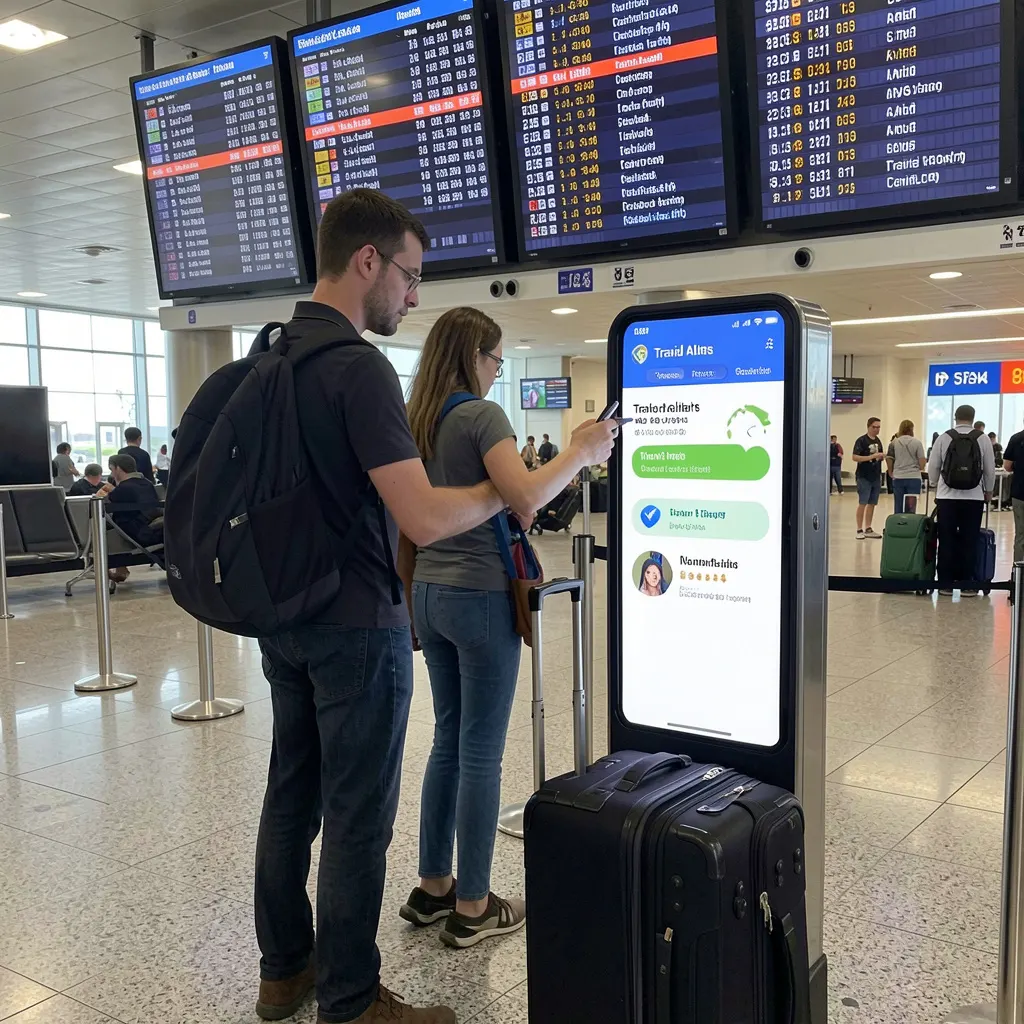
5. Use Travel Alert Apps
Technology can help travelers stay informed about delays, gate changes, and weather disruptions. Services such as FlightAware and Flightradar24 offer real-time flight tracking and operational updates.
Being informed early allows travelers to make alternative arrangements before disruptions escalate.
6. Consider Travel Insurance
Travel insurance may provide coverage for certain delays, cancellations, accommodation costs, and missed connections depending on policy terms.
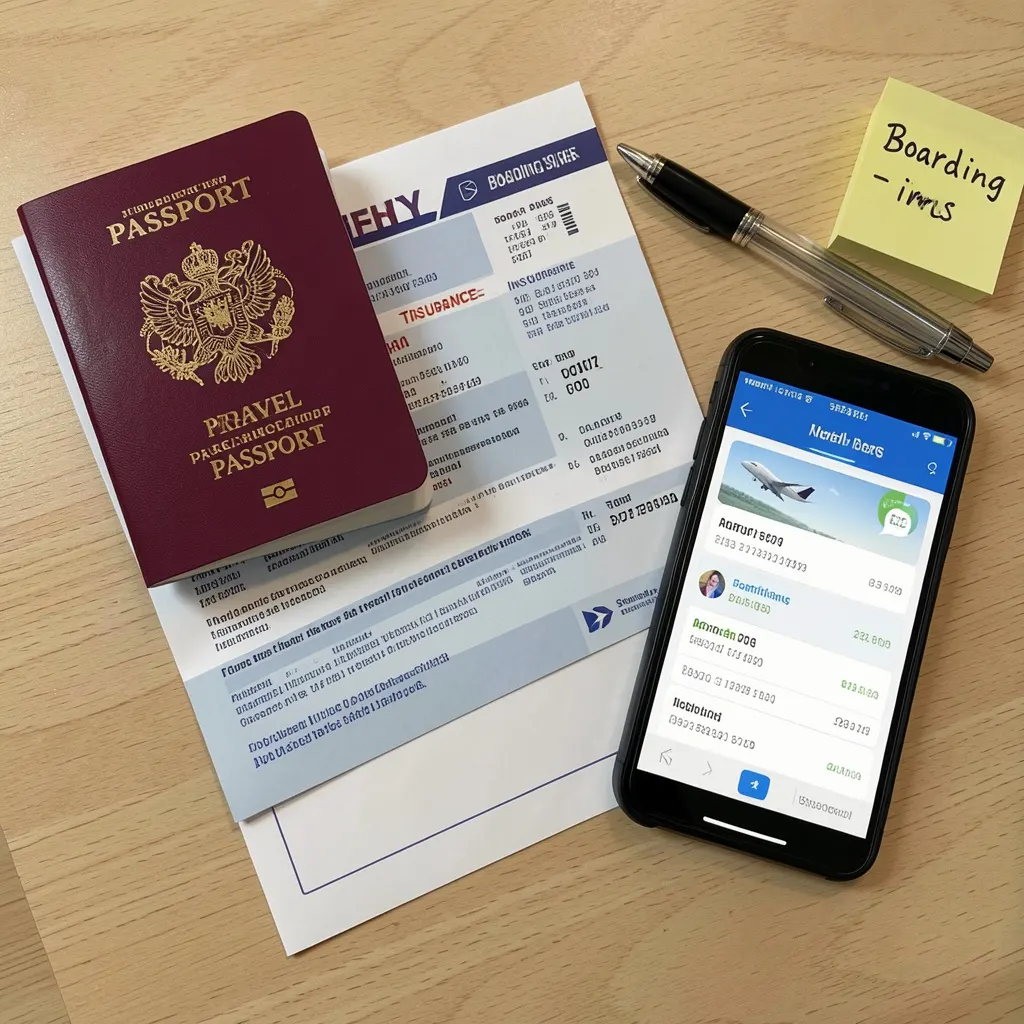
Providers often offer plans tailored specifically for frequent travelers and international vacations.
7. Build Flexibility Into Your Itinerary
Avoid scheduling critical meetings, cruise departures, or major events immediately after arrival. Allowing extra time can help absorb unexpected disruptions without affecting your entire trip.
Flexible travel planning has become increasingly important in today’s complex transportation environment.
While airport delays and transportation strikes can’t always be avoided, smart planning can significantly reduce their impact. By staying informed, traveling light, choosing reliable flight times, and building flexibility into your itinerary, you can enjoy a smoother and less stressful travel experience this summer.
Preparation remains the most effective tool for navigating busy travel seasons and unexpected disruptions.
#SummerTravel2026 #TravelTips #AirportDelays #FlightDelays #TravelGuide #VacationPlanning #AirTravel #TravelNews #TravelHacks #TravelSafety